
Pakistan Denounces Israeli Strikes in Syria Amid Escalating Regional Supply Risks
Pakistan has strongly condemned ongoing Israeli military operations in Syria during a United Nations Security Council session, warning that unabated regional aggression endangers geopolitical stability, international maritime commerce, and developing economies.
The Core Development
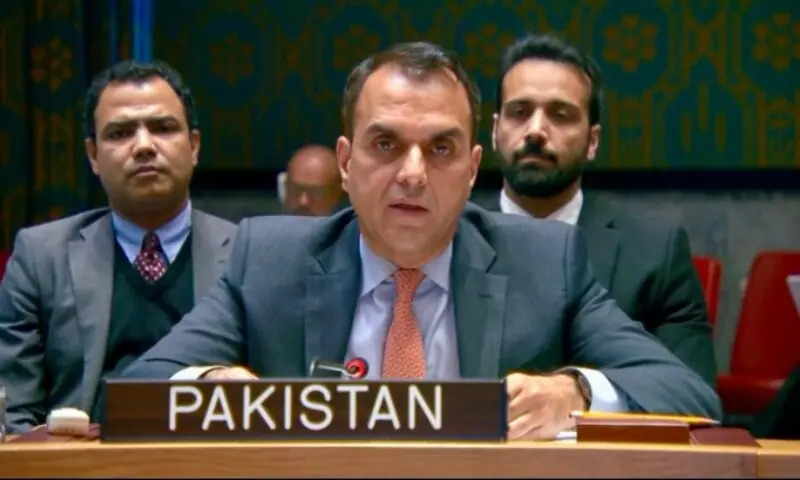
At the United Nations headquarters in New York, Pakistan issued an unequivocal condemnation of ongoing Israeli military operations within the Syrian Arab Republic. Addressing a formal United Nations Security Council briefing convened on Monday evening to assess the deteriorating humanitarian and political crisis in Syria, Pakistan’s Acting Permanent Representative, Ambassador Usman Jadoon, delivered a pointed diplomatic rebuff against continued aerial bombardments and ground incursions.
Ambassador Jadoon underscored that unilateral military actions carried out across sovereign Syrian borders constitute direct infringements of international law and the fundamental principles enshrined in the United Nations Charter. Pakistan specifically called for the full, unconditional withdrawal of Israeli forces from all occupied Syrian territories, demanding strict compliance with the historic 1974 Disengagement of Forces Agreement signed between Israel and Syria. The envoy cautioned the international community that persistent military overreach dismantles the delicate framework of regional peace, compounding an already catastrophic humanitarian disaster and leaving civilian populations vulnerable to protracted systemic conflict.
Commercial & Economic Implications
While rooted in multilateral diplomacy, the deteriorating security dynamics across the Levant carry profound macroeconomic consequences for Pakistan's trade ecosystem. The widening theater of conflict in the Middle East has progressively destabilized key logistics corridors connecting Asia, the Gulf, and Europe. For domestic enterprises, persistent geopolitical friction increases operational vulnerabilities across international supply chains.
First, insurance underwriters and global shipping conglomerates continue to apply elevated war-risk surcharges on freight traversing the wider Middle East and Red Sea maritime corridors. For Pakistan, an import-reliant economy particularly exposed to global energy and raw material swings, elevated shipping costs directly translate into heightened landed import bills. Higher crude oil and liquefied natural gas (LNG) prices inevitably exert upward pressure on local transport tariffs, industrial power tariffs, and wholesale distribution networks.
Second, wholesale merchants and retail distributors in major Pakistani trade hubs like Karachi, Lahore, and Faisalabad face inventory uncertainties. Escalating conflict risks disrupt the movement of intermediate chemicals, agricultural inputs, and retail merchandise. If regional spillover leads to broader maritime blockades or logistical diversions, local consumer price indexes (CPI) will face renewed inflationary pressure, curbing purchasing power and dampening retail turnover across domestic markets.
Related Intelligence: Actor and Global Disability Rights Advocate RJ Mitte Dies at 34
Stakeholder Perspectives & Market Reactions
Within Pakistan’s diplomatic and legal communities, the stance delivered at the UN has received widespread endorsement as a consistent application of the country's longstanding foreign policy framework. Legal scholars emphasize that defending the territorial integrity of sovereign states under international jurisprudence is vital for preserving collective security, especially for developing nations that depend on legal norms rather than unilateral power.
Simultaneously, domestic commercial leaders—including representatives from regional chambers of commerce and transport associations—are closely monitoring the broader geopolitical trajectory. Trade bodies have repeatedly expressed concern regarding the vulnerability of national trade balances to volatile international shipping corridors. The Federation of Pakistan Chambers of Commerce and Industry (FPCCI) and regional wholesale groups note that foreign exchange volatility and shifting freight schedules necessitate proactive hedging mechanisms and supply chain diversification by government procurement bodies and private importers.
Forward Outlook & Key Watchpoints
Looking ahead, several critical touchpoints will dictate the economic and political outcomes of this unfolding impasse. The immediate watchpoint will be whether the UN Security Council can forge actionable consensus toward a durable ceasefire and enforce the 1974 Disengagement Accord, or whether unilateral cross-border strikes will proceed unchecked.
For Pakistan’s economic policymakers, the primary focus will remain on tracking international benchmark crude prices, global container freight indices, and foreign exchange reserves. Financial authorities must stay vigilant against unexpected shocks in global energy markets that could undermine ongoing macroeconomic stabilization targets. Should diplomatic avenues fail to arrest regional conflict, corporate treasuries and wholesale traders will need to prepare for continued volatility in freight rates, longer transit lead times, and structurally higher operational costs across South Asian trade lanes.
Join Our Official WhatsApp Channel
Receive live commodity alerts, policy changes, and commercial intelligence directly on WhatsApp.