
Hurricane Isaias Threatens US Gulf Coast Energy Infrastructure
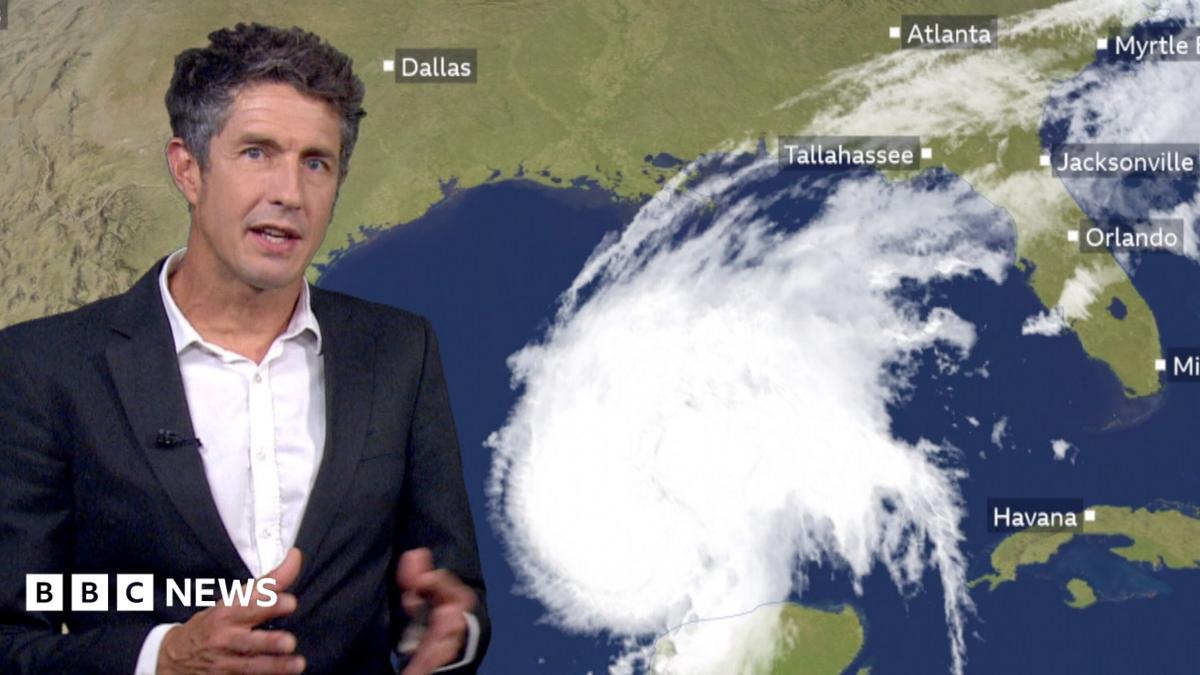
Hurricane Isaias threatens the US Gulf Coast as the 2026 Atlantic season's first major storm, sparking immediate concerns for regional energy infrastructure and global commodity supply chains.
Geopolitical & Core Developments
The 2026 Atlantic hurricane season has entered a critical phase as meteorologists, led by forecasters at BBC Weather, track Hurricane Isaias on a direct trajectory toward the United States Gulf Coast. Projected to make landfall on Friday, the storm brings life-threatening storm surges, destructive winds, and torrential rainfall to a region that serves as the beating heart of North American petroleum and petrochemical operations. State and federal emergency management agencies have mobilized resources, issuing mandatory evacuations across vulnerable coastal parishes in Louisiana and Texas, while port authorities coordinate vessel movements to secure maritime traffic ahead of deteriorating conditions.
[Global Trade](/news/wto-upgrades-global-trade-forecast-pakistan-gains-middle-east-disruptions) & Economic Ripples
The impending landfall has sent immediate shockwaves through global energy markets, given the concentration of offshore drilling platforms, pipeline networks, and major refining complexes situated along the Gulf of Mexico. Energy traders have responded by pricing in potential supply disruptions, leading to intraday volatility in Brent and WTI crude futures, alongside Henry Hub natural gas contracts. With a significant percentage of US refining capacity concentrated in the threatened sectors, any prolonged shutdown risks constraining domestic fuel supplies and tightening global petroleum product balances, particularly impacting export channels to Latin America and Europe.
Related Intelligence: Hurricane Isaias Threatens US Gulf Coast Energy Infrastructure
International Reactions & Diplomatic Stances
International commodity watchdogs and energy forums are closely monitoring the storm's progression, emphasizing the vulnerability of critical maritime choke points and energy supply arteries to extreme weather events amplified by shifting climatic patterns. Energy analysts from major financial institutions have issued advisory notes highlighting potential logistics bottlenecks, while shipping associations urge preemptive rerouting of cargo vessels away from major Gulf ports including New Orleans and Houston to prevent vessel damage and supply chain paralysis.
Strategic Outlook & Future Scenarios
As Hurricane Isaias prepares to make landfall, the immediate aftermath will test the resilience of regional disaster recovery frameworks and energy infrastructure hardening measures implemented over the past decade. Should the storm inflict severe structural damage on refining assets or offshore production platforms, the resulting supply deficit could force strategic reserve releases and influence upcoming OPEC+ policy deliberations regarding global output quotas for the remainder of the third quarter.
Join Our Official WhatsApp Channel
Receive live commodity alerts, policy changes, and commercial intelligence directly on WhatsApp.