
HSBC Islamic Fund Faces Scrutiny Over Holdings in Defense Firms
HSBC faces mounting regulatory and reputational scrutiny after reports revealed its Sharia-compliant fund allocated approximately $130 million to corporations linked to Israeli military operations, challenging Islamic finance compliance standards.
Geopolitical & Core Developments
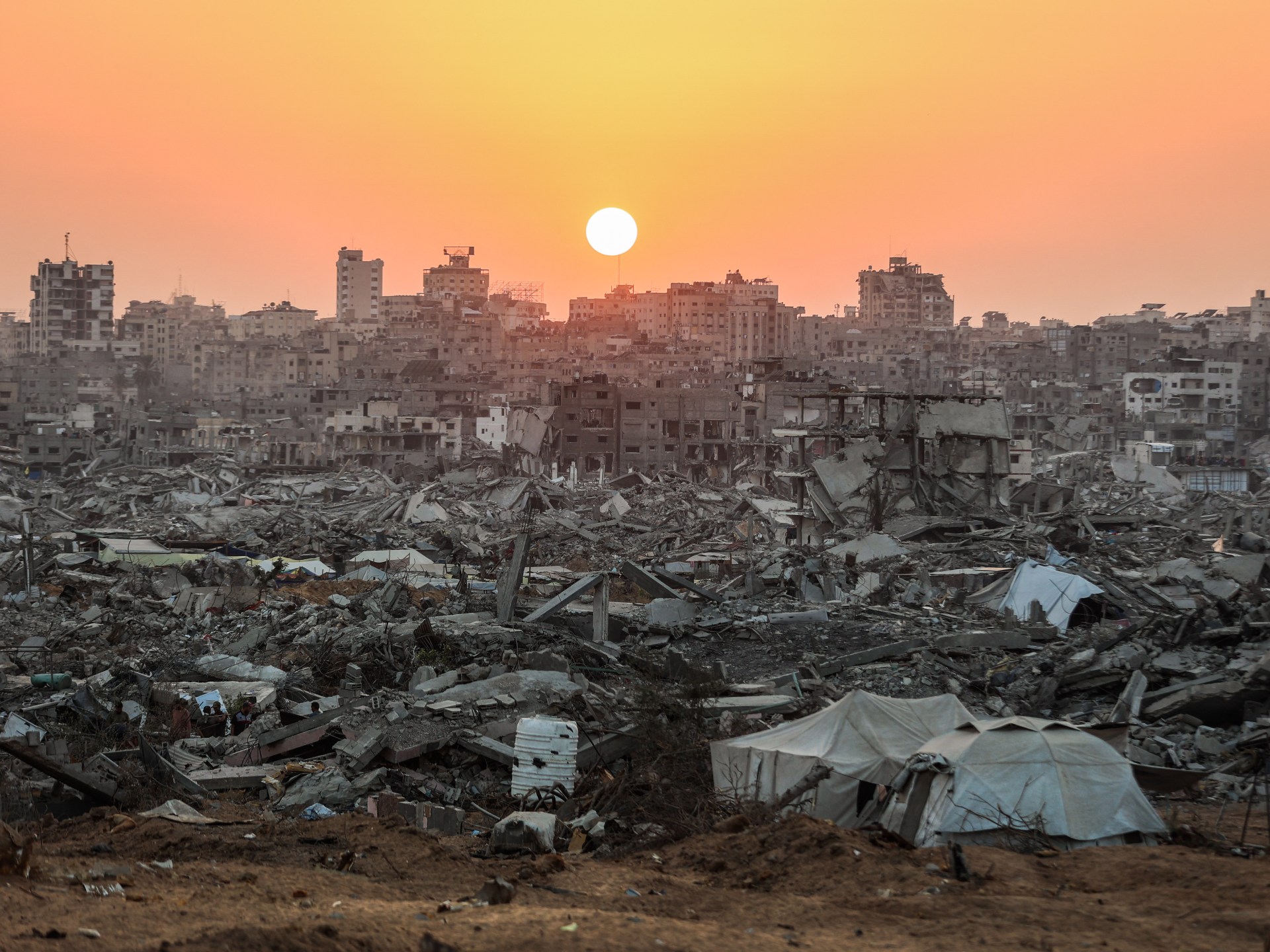
Global banking giant HSBC has come under intense scrutiny following revelations that its Islamic equity funds directed approximately $130 million into corporate entities directly linked to defense contracting and military operations connected to Israel. The findings, highlighted in recent investigative disclosures, pinpoint investments across multinational conglomerates providing surveillance, defense hardware, and technological infrastructure utilized in the ongoing conflict in Gaza. Under standard Islamic finance jurisprudence, Sharia-compliant funds operate under stringent supervisory boards that explicitly bar allocations toward conventional armaments, defense hardware, adult entertainment, tobacco, and interest-yielding financial instruments.
The controversy underscores escalating geopolitical friction surrounding institutional capital allocation during ongoing military campaigns in the Middle East. Portfolio disclosures indicate that the underlying fund vehicles—marketed heavily across Europe, the Middle East, and Southeast Asia—held positions in several key defense and aviation manufacturers. This exposure represents a direct contradiction of the ethical parameters promised to Islamic retail and institutional clients, triggering urgent internal audits, calls for board resignations, and potential divestment protocols from prominent Gulf-based sovereign investors.
Global Trade & Economic Ripples
The immediate fallout extends across the multi-trillion-dollar global Islamic finance sector, which has positioned itself as an ethical alternative to conventional high-frequency and speculative trading. Asset managers managing Sharia portfolios frequently cross-screen with broader Environmental, Social, and Governance (ESG) criteria. The failure to filter out lethal defense contractors damages investor confidence and threatens cross-border liquidity flows between Western asset managers and Middle Eastern institutional pools.
Furthermore, this development impacts capital markets across the Gulf Cooperation Council (GCC) and Southeast Asian financial hubs like Kuala Lumpur and Singapore. Institutional allocators are already tightening procurement mandates and demanding independent third-party audits of global exchange-traded funds (ETFs) and managed portfolios. Should Gulf institutions accelerate the repatriating of ethical capital from European and North American fund houses back into domestic, regional financial centers, Western commercial banks stand to lose billions in asset management fees, while secondary defense equity valuations could see marginal contractions if coordinated divestments materialize.
Related Intelligence: Pakistan and Saudi Arabia Strengthen Strategic Defense and Economic Alignment
International Reactions & Diplomatic Stances
International market analysts and Islamic jurisprudence scholars have reacted with sharp criticism, terming the allocations an egregious breakdown of fiduciary oversight and governance. Several prominent regional Sharia advisory boards in Qatar, Malaysia, and the United Arab Emirates have signaled intent to review third-party certifications granted to Western financial institutions operating within their jurisdictions. Legal scholars have noted that if investors can prove misleading representation, HSBC could face material regulatory inquiries regarding compliance breaches and false marketing practices under consumer protection statutes.
While HSBC has historically maintained that its index funds track broader international benchmarks certified by recognized independent Sharia supervisory committees, critics argue that the passive nature of index tracking does not exempt fund managers from geopolitical and moral covenants. Human rights monitoring groups and United Nations special rapporteurs have simultaneously intensified calls for international corporations to completely sever financial ties with defense entities involved in territorial conflicts and alleged violations of international humanitarian law.
Strategic Outlook & Future Scenarios
The trajectory of this crisis points toward significant structural reforms within cross-border Islamic asset management. In the near term, HSBC and competing international lenders will likely face aggressive scrutiny during upcoming regional finance summits, notably within the GCC and the broader Organisation of Islamic Cooperation (OIC) sphere. Portfolio managers will be forced to implement more rigorous algorithmic screening filters that explicitly account for tier-one and tier-two defense supply chain linkages.
In the medium term, the bifurcation between Western asset management products and regional Islamic investors is expected to widen. Sovereign wealth funds are increasingly incentivized to build in-house Sharia screening mechanisms rather than outsourcing oversight to international conglomerates. As geopolitical fault lines deepen, ethical and faith-based investing will face greater scrutiny, compelling global financial institutions to reconcile lucrative passive fund indexing with rigid humanitarian and regulatory demands.
Join Our Official WhatsApp Channel
Receive live commodity alerts, policy changes, and commercial intelligence directly on WhatsApp.