
Pakistan Reaffirms Security Pact with Saudi Arabia Following Riyadh Attack
Pakistan reaffirms its ironclad security commitment to Saudi Arabia under the Makkah Joint Defence Agreement following a deadly Houthi attack on Riyadh International Airport that left 12 dead.
The Core Development
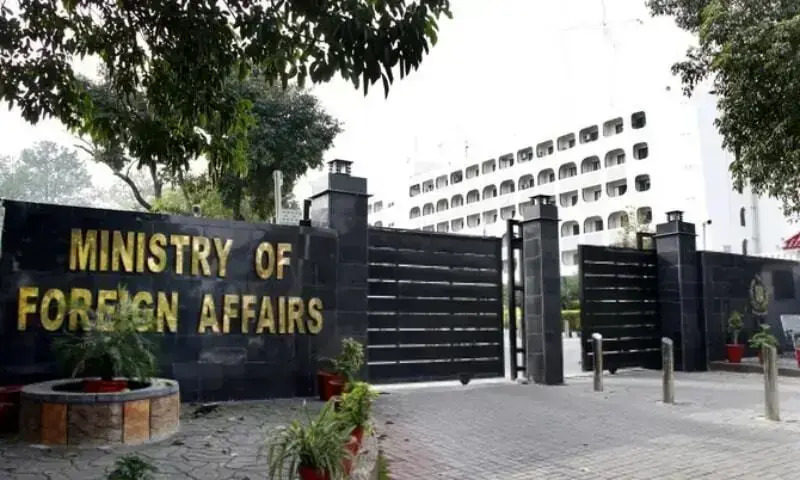
The Foreign Office (FO) of Pakistan issued a stern and unequivocal condemnation on Sunday following a fresh wave of aggressive Houthi drone and missile strikes targeting the Kingdom of Saudi Arabia. The latest escalation culminated in a devastating strike on Riyadh International Airport on Saturday, resulting in the tragic deaths of at least 12 people and leaving 309 others injured. In response to the unfolding humanitarian and security crisis, Prime Minister Shehbaz Sharif joined international leaders in condemning the assault, branding it a direct threat to regional peace and civilian safety. Islamabad’s official stance underscores a "firm and unshakeable" commitment to the sovereignty, territorial integrity, and internal stability of the Gulf state, anchored by the recently formalised Makkah Joint Defence Agreement signed on August 7, which also includes Turkiye as a vital strategic signatory. Under this collective deterrence pact, any hostile aggression directed against one member state is treated as an offensive act against all signatories, cementing a tripartite security shield across the Middle East and South Asia.
Commercial & Economic Implications
For business houses, commodities traders, and macroeconomic planners at Kalyar Traders, geopolitical volatility in the Gulf carries immediate and profound economic ramifications. Saudi Arabia remains a cornerstone of Pakistan’s external economic stability, serving as a primary provider of vital petroleum imports and a massive market for Pakistani workforce remittances. Any sustained security threat to Riyadh's critical aviation and energy infrastructure threatens to disrupt global crude oil supply chains, potentially triggering immediate price shocks across international energy benchmarks. In Pakistan, where inflationary pressures and trade deficits remain acute policy concerns, even marginal spikes in global petroleum prices translate directly into elevated domestic fuel costs, higher freight charges for wholesale distribution, and cascading inflationary ripples across retail trade and consumer goods. Furthermore, disruptions to commercial aviation corridors between South Asia and the Gulf can impair bilateral trade logistics, delay time-sensitive cargo shipments, and inject uncertainty into capital markets.
Related Intelligence: Pakistan Reaffirms Saudi Defence Pact Following Riyadh Airport Strike
Stakeholder Perspectives & Market Reactions
Industry bodies, economic analysts, and trade associations across Pakistan are closely monitoring the security matrix in the Arabian Peninsula, noting that investor confidence is intricately tied to the stability of energy corridors. Business leaders have emphasized that the Makkah Joint Defence Agreement provides not only a military deterrent but also vital psychological reassurance to overseas Pakistani workers whose remittances sustain millions of domestic households. Legal and foreign policy experts point out that Pakistan's explicit invocation of the defence pact signals a proactive diplomatic and strategic posture, reassuring Riyadh of Islamabad's enduring reliability as a security partner. Public response across national forums has overwhelmingly backed the government's solidarity with Saudi Arabia, reflecting deep historical, religious, and economic ties between the two nations.
Forward Outlook & Key Watchpoints
As the Saudi-led coalition vows a decisive military response to neutralise ongoing aerial threats from Houthi factions, market participants and economic monitors must track several critical indicators in the weeks ahead. Key watchpoints include potential fluctuations in Brent crude oil futures, security updates concerning commercial aviation routes into Riyadh, and any subsequent diplomatic communiqués from the Makkah Joint Defence Agreement signatories. Policymakers in Islamabad will remain vigilant regarding domestic fuel price adjustments and foreign exchange reserve stability, ensuring that external geopolitical shocks are managed effectively to safeguard retail consumer purchasing power and maintain macroeconomic resilience.
Join Our Official WhatsApp Channel
Receive live commodity alerts, policy changes, and commercial intelligence directly on WhatsApp.