
Yemeni Forces Secure Strategic Heights Amid Escalating Red Sea Crisis
Saudi-backed Yemeni forces have seized strategic mountain heights in western Taiz, intensifying regional conflict and raising fresh concerns for global maritime trade through the vital Red Sea corridor.
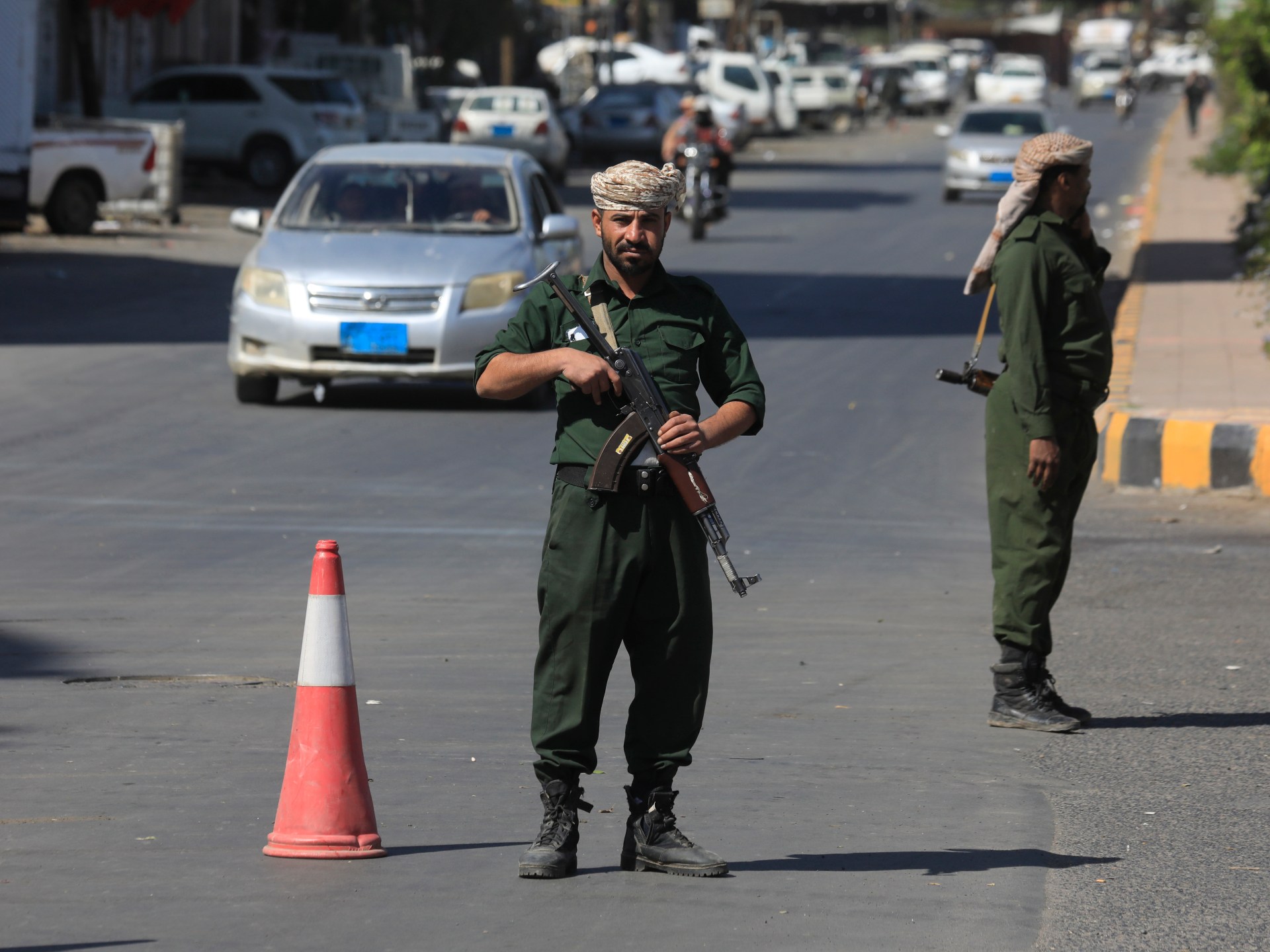
Geopolitical & Core Developments
In a significant shift along the western frontlines, Saudi-backed Yemeni forces have successfully claimed key mountain heights in the Taiz governorate, overlooking the strategic Red Sea coast. This tactical advance represents a major escalation in the protracted multi-party conflict, altering the territorial balance between coalition-backed government loyalists and Houthi movement fighters. The mountainous terrain of western Taiz has long served as a critical chokepoint, offering command and control advantages over the vital coastal plains and maritime approaches.
State actors and regional coalitions have ramped up military readiness following the engagement. The territorial gains by government-aligned factions are designed to squeeze Houthi supply lines running inland from the coast, potentially preempting further asymmetric maritime operations. Military strategists note that controlling these elevated positions provides a commanding view of regional logistics networks, setting the stage for protracted ground engagements as opposing forces attempt to retake the lost ground.
Global Trade & Economic Ripples
The escalation in western Taiz carries profound implications for global energy markets and international shipping lanes. The contested zones sit adjacent to the Bab el-Mandeb strait, a crucial maritime chokepoint through which a significant share of global petroleum and containerized cargo passes daily. Any sustained military activity threatening this corridor directly impacts global supply chains, marine insurance premiums, and commercial transit times between Asia, Europe, and North Africa.
Commodity traders and energy analysts are closely monitoring the situation for potential spillover effects on crude oil and liquefied natural gas (LNG) pricing. While immediate physical flows through the Red Sea remain operational, heightened threat perceptions are driving up freight rates and forcing shipping conglomerates to contingency-plan for longer, alternative routing around the Cape of Good Hope. Such logistical adjustments inject persistent inflationary pressures into global trade, affecting input costs across manufacturing and agricultural sectors worldwide.
Related Intelligence: FCC Warning Highlights AI Robocall Risks for Global Markets
International Reactions & Diplomatic Stances
International bodies and diplomatic missions have responded to the latest flare-up with mounting concern. United Nations envoys have reiterated calls for an immediate cessation of hostilities, warning that renewed military maneuvers jeopardize fragile peace negotiations and worsen an already catastrophic humanitarian crisis within Yemen.
Major importing nations and regional powers have issued cautious statements emphasizing the necessity of freedom of navigation and the protection of international commerce. Market analysts from leading financial institutions observe that diplomatic channels remain strained, as foreign ministries weigh the risks of further coalition intervention against the imperative of securing international shipping lanes from ongoing Houthi harassment and regional destabilization.
Strategic Outlook & Future Scenarios
Looking ahead, the trajectory of the Yemeni conflict hinges on whether these localized territorial advances can be consolidated or if they will provoke a broader counter-offensive by Houthi forces. Upcoming diplomatic summits and closed-door UN Security Council consultations will likely focus on containing the military fallout and establishing durable de-escalation frameworks.
Should the conflict expand along the coastal corridor, insurance underwriters are expected to re-evaluate risk classifications for the southern Red Sea, potentially triggering steep hikes in transit costs. Conversely, renewed international pressure and backchannel diplomacy could pave the way for localized ceasefires, stabilizing regional energy logistics and reassuring global commodity markets against further volatility.
Join Our Official WhatsApp Channel
Receive live commodity alerts, policy changes, and commercial intelligence directly on WhatsApp.