
Holborn and St Pancras By-Election Tests Labour Stability
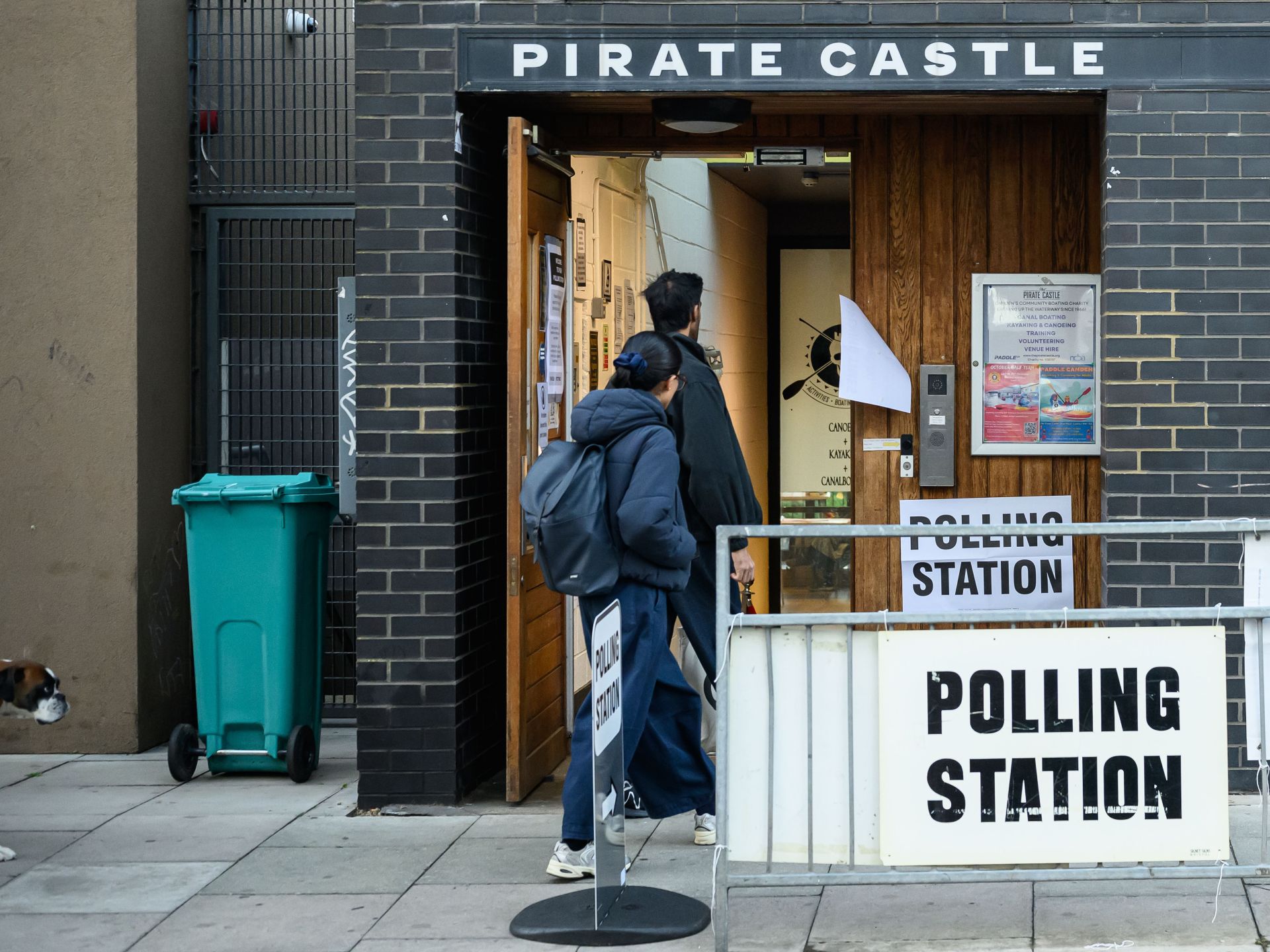
London voters participate in the critical Holborn and St Pancras by-election, testing public confidence in political leadership and economic management.
Geopolitical & Core Developments
Voters in central London have headed to the polls for a highly anticipated parliamentary by-election in the constituency of Holborn and St Pancras. This electoral contest has emerged as a vital barometer of national sentiment, carrying implications that extend far beyond municipal boundaries. Political analysts are closely watching the turnout and voting patterns to gauge public faith in established political structures and leadership trajectories.
The seat, historically significant within the British political landscape, serves as a direct test for governance credibility. State actors and domestic political strategists view the outcome as an indicator of broader electoral shifts. As ballots are cast, campaigns have focused heavily on cost-of-living pressures, public service delivery, and the overarching direction of national policy. The administration's ability to retain confidence in this stronghold will dictate legislative momentum and party unity moving forward.
Global Trade & Economic Ripples
While parliamentary by-elections are fundamentally domestic political events, international financial markets and commodity traders closely monitor UK political stability. Investor confidence in Sterling and UK sovereign debt is intricately linked to perceptions of governmental competence and policy predictability. Political volatility or unexpected electoral swings can introduce short-term currency fluctuations and impact gilt yields.
Furthermore, domestic policy debates centering around taxation, regulatory frameworks, and public spending directly influence multinational corporate strategy. Global enterprises operating within the United Kingdom assess political shifts to anticipate potential adjustments in trade regulations, energy transition targets, and labor laws. Stability in core urban constituencies reassures foreign investors regarding the predictability of the UK regulatory environment.
Related Intelligence: Istanbul Building Collapse Exposes Urban Infrastructure and Economic Vulnerabilities
International Reactions & Diplomatic Stances
International observers, including European trade partners and multilateral financial institutions, are monitoring the British political landscape for signs of policy continuity. Foreign capitals view domestic electoral outcomes through the lens of bilateral relations and international commitments, particularly concerning trade agreements, defense cooperation, and climate policy.
Market analysts and economic research firms have issued briefings evaluating the potential macroeconomic fallout of the election results. Financial institutions emphasize that while the immediate market reaction may be muted, the medium-term policy signals derived from the vote will shape foreign direct investment inflows into the United Kingdom throughout the fiscal year.
Strategic Outlook & Future Scenarios
Looking ahead, the outcome of the Holborn and St Pancras by-election will set the tone for upcoming legislative battles and shape strategic planning for future national campaigns. Political parties will use the empirical data from this contest to recalibrate their messaging, addressing voter discontent regarding economic pressures and public infrastructure.
For international stakeholders, the primary takeaway remains the degree of alignment between domestic political stability and external economic engagement. As upcoming policy summits and international trade negotiations approach, the perceived mandate of the government will heavily influence its negotiating posture on the global stage.
Join Our Official WhatsApp Channel
Receive live commodity alerts, policy changes, and commercial intelligence directly on WhatsApp.