
Himalayan Avalanche Triggers Urgent Search Operations for Missing Nepali Expedition Team
Ten climbers are missing following a massive avalanche at a Himalayan base camp on Himlung Himal, disrupting Nepal's vital mountaineering expedition industry and sparking international search operations.
Geopolitical & Core Developments
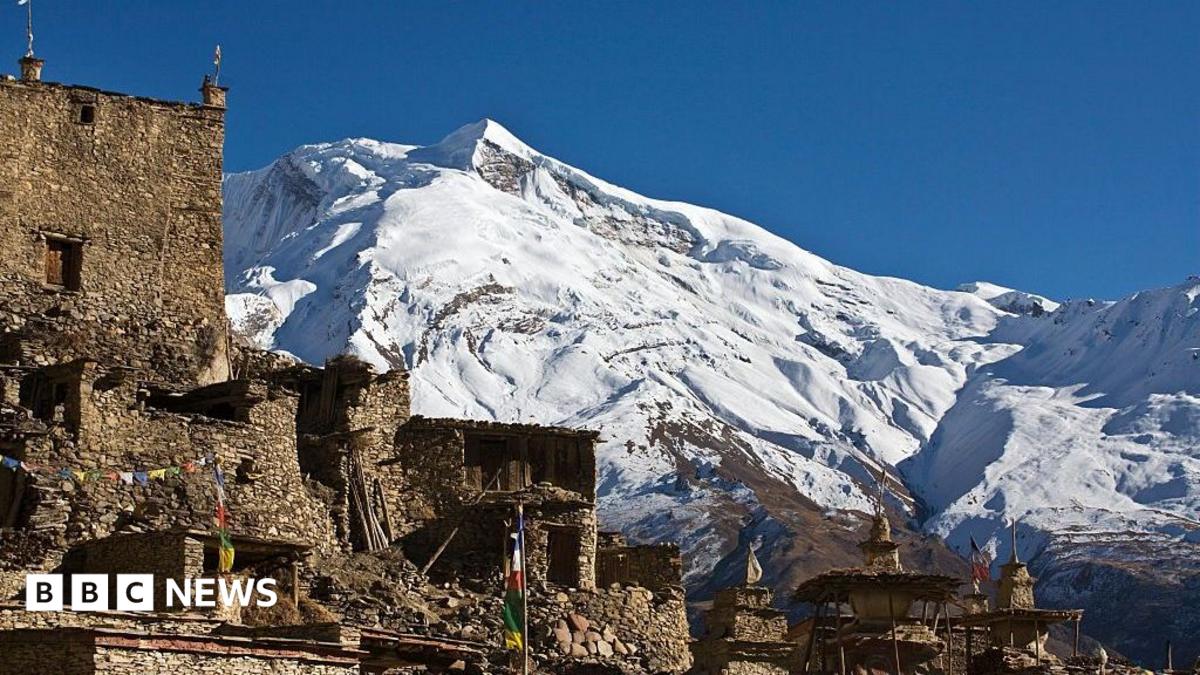
A massive avalanche struck a high-altitude base camp on the Himlung Himal peak in Nepal, leaving a team of ten Nepali climbers missing and triggering an extensive multinational rescue operation. The expedition team was laying crucial logistical groundwork and fixing ropes to guide international clients up the 7,126-meter mountain when the disaster unfolded. Local authorities, including the Nepalese Department of Tourism and regional police units, mobilized immediate search and rescue protocols, though severe weather conditions and treacherous terrain continue to severely hamper helicopter access and ground teams.
The incident highlights the intensifying hazards confronting high-altitude mountaineering professionals in the greater Himalayan range. As global temperature anomalies accelerate glacial melting and destabilize high-altitude snowpack, traditional climbing windows are becoming increasingly erratic. The Himlung Himal disaster serves as a stark reminder of the escalating risks borne primarily by indigenous mountain guides, known globally as Sherpas and high-altitude porters, who form the backbone of the region's expedition infrastructure.
[Global Trade](/news/swiss-neutrality-referendum-tests-global-trade-and-financial-stability) & Economic Ripples
While mountaineering may appear far removed from traditional macroeconomic indicators, Nepal's adventure tourism sector is a cornerstone of its national economy, generating tens of millions of dollars annually and supporting thousands of local livelihoods. High-profile incidents of this magnitude invariably send ripple effects through international insurance markets, premium underwriting for extreme sports expeditions, and the global outdoor gear supply chain. Insurance underwriters are expected to reassess risk models for Himalayan expeditions, likely leading to a significant spike in policy premiums for commercial operators and international mountaineers alike.
Furthermore, the disaster impacts local supply chains across remote Nepalese districts, where mountain tourism sustains regional hospitality networks, porter cooperatives, and domestic aviation sectors. Any prolonged disruption or negative perception regarding Himalayan safety standards directly suppresses foreign tourist arrivals, inflicting financial strain on local communities that depend heavily on seasonal expedition revenues.
Related Intelligence: Swiss Neutrality Referendum Tests Global Trade and Financial Stability
International Reactions & Diplomatic Stances
Diplomatic missions in Kathmandu, including embassies representing major mountaineering nations such as the United States, United Kingdom, Japan, and European Union member states, have offered consular assistance and specialized search-and-rescue resources. Global mountaineering federations and international alpine clubs released joint statements expressing deep concern for the missing personnel and commending the bravery of local rescue teams operating under extreme duress.
International climate organizations and scientific bodies have also seized upon the tragedy to reiterate warnings regarding the vulnerability of Himalayan cryosphere ecosystems. Multilateral agencies are facing renewed calls to increase climate adaptation funding for landlocked developing nations like Nepal, which suffer disproportionately from environmental disruptions despite contributing minimally to global greenhouse gas emissions.
Strategic Outlook & Future Scenarios
In the wake of this disaster, Nepal's Ministry of Culture, Tourism and Civil Aviation faces mounting pressure to overhaul safety regulations, mandatory weather monitoring protocols, and insurance requirements for commercial expeditions. Stakeholders anticipate stricter oversight of base camp placements and potentially enforced seasonal restrictions to protect climbers from increasingly unpredictable weather phenomena.
As the industry looks toward upcoming climbing seasons, commercial operators must navigate a complex landscape of rising operational costs, higher insurance hurdles, and heightened safety expectations from international clients. The tragedy on Himlung Himal ultimately forces a recalibration of how the global adventure tourism industry balances economic imperatives against the mounting ecological realities of high-altitude exploration.
Join Our Official WhatsApp Channel
Receive live commodity alerts, policy changes, and commercial intelligence directly on WhatsApp.