
Greek Pressure Mounts on UK for Permanent Return of Elgin Marbles
Athens renews its campaign for the permanent repatriation of the Elgin Marbles, drawing renewed international focus on cultural diplomacy and bilateral UK-EU relations.
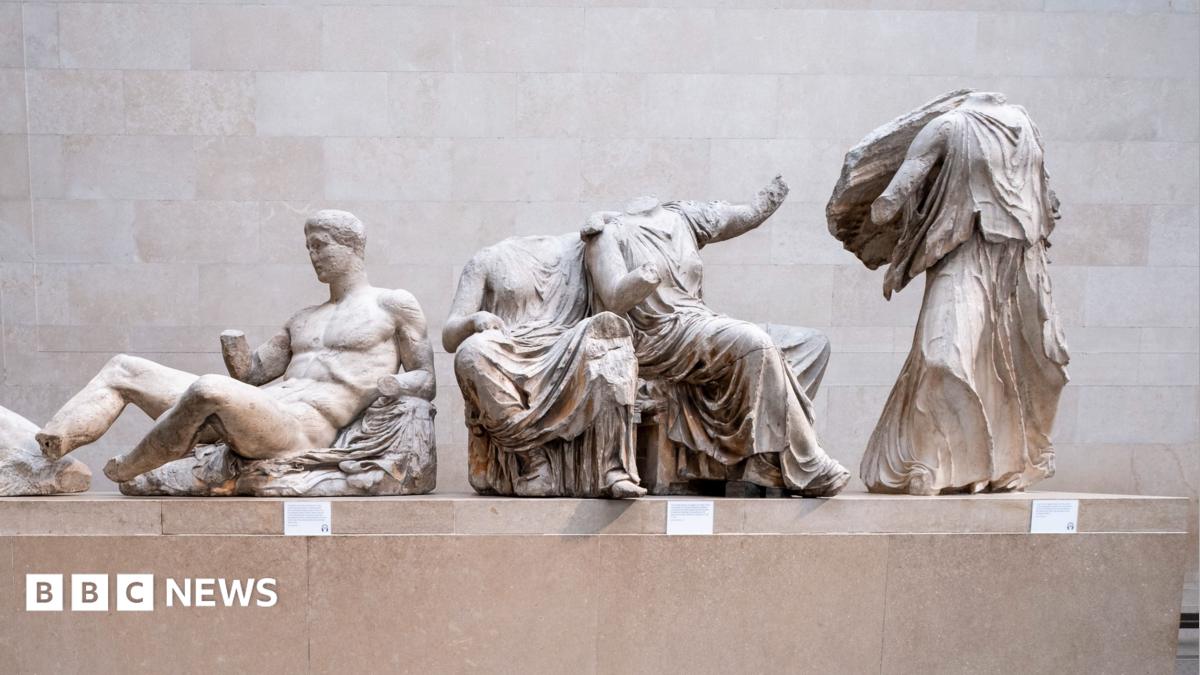
Geopolitical & Core Developments
The enduring diplomatic dispute over the Parthenon Sculptures, commonly known as the Elgin Marbles, has resurfaced as a central focal point in bilateral relations between Greece and the United Kingdom. Greek Prime Minister has renewed direct appeals to his British counterpart, pressing for the permanent return of the 5th-century BC antiquities to Athens. The sculptures, removed from the Parthenon by Lord Elgin in the early 19th century while Greece was under Ottoman rule, have long been a source of national grievance for Athens, which maintains that the artifacts were stolen and demands their complete reunification.
The diplomatic friction has increasingly transcended traditional bilateral channels, drawing in domestic British political actors. Prominent figures, including Greater Manchester Mayor Andy Burnham, previously voiced support for returning the sculptures to Greece with no strings attached, reflecting shifting domestic opinions within the UK regarding colonial-era artifacts. Despite these pressures, successive British administrations have remained bound by the British Museum Act of 1963, which legally restricts the museum from permanently disposing of its holdings, setting up a persistent constitutional and legislative hurdle for any prospective transfer.
Global Trade & Economic Ripples
While the dispute over the Parthenon Sculptures is fundamentally a matter of cultural heritage and international law, high-profile diplomatic tensions between London and Athens carry subtle economic and commercial implications. Cultural diplomacy serves as a barometer for broader bilateral cooperation, influencing trade negotiations, tourism flows, and foreign direct investment between European Union member states and post-Brexit Britain. Resolution of high-profile bilateral friction points often signals a stable regulatory and diplomatic environment, which is favored by institutional investors and multinational corporations operating across European markets.
Furthermore, the outcome of this dispute holds significant precedent for the global antiquities market and the broader museum economy, which drives substantial tourism revenue in both capitals. A successful repatriation agreement could accelerate similar negotiations worldwide, impacting the valuation, insurance premiums, and logistics costs associated with international art transport, exhibition curation, and high-value cultural asset management.
Related Intelligence: Trump Extends G20 Invite to Putin, Igniting Global Trade and Diplomatic Debate
International Reactions & Diplomatic Stances
The international community views the protracted Parthenon Sculptures debate as a test case for modern restitution practices. Multilateral bodies such as UNESCO have repeatedly urged both nations to find a mutually acceptable, negotiated settlement, emphasizing the cultural integrity of reunifying dismembered monuments. While Athens advocates for a permanent legal transfer, London has historically floated the concept of a long-term loan arrangement, a compromise that Greek authorities consistently reject as an implicit acknowledgment of British ownership.
Global legal scholars and museum directors closely monitor these developments, as a paradigm shift in the British Museum's policy could trigger a cascade of similar restitution claims globally. International market analysts note that public opinion in Western nations is increasingly sympathetic to repatriation claims, placing moral and diplomatic pressure on traditional repository institutions to modernize their governance and curation frameworks.
Strategic Outlook & Future Scenarios
Looking ahead, the trajectory of the Elgin Marbles dispute will likely depend on shifting domestic political landscapes in the United Kingdom and sustained diplomatic leverage from Athens. Future bilateral summits between UK and Greek officials will continue to feature cultural property discussions, particularly as Athens leverages its strategic positioning within European security and trade architectures. Should the UK government pursue legislative reform of the British Museum Act, it could unlock a new framework for cultural diplomacy, potentially serving as a template for resolving other prominent international heritage disputes.
Join Our Official WhatsApp Channel
Receive live commodity alerts, policy changes, and commercial intelligence directly on WhatsApp.