
Government Trims Petrol and Diesel Prices in Modest Fortnightly Adjustment
The federal government has marginally lowered the prices of petrol and high-speed diesel for the upcoming fortnight, offering nominal cost relief across commercial transport logistics and retail fuel consumers.
The Core Development
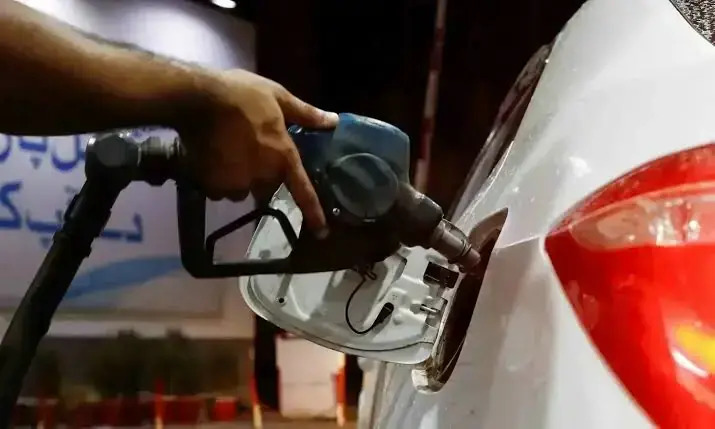
In its latest fortnightly petroleum pricing review, the federal government announced a marginal downward adjustment in ex-depot domestic fuel tariffs. The price of motor spirit (petrol) has been reduced by Rs1.65 per litre, while high-speed diesel (HSD) has witnessed a modest cut of Rs0.88 per litre. The adjustment, notified by the Finance Division following recommendations submitted by the Oil and Gas Regulatory Authority (OGRA), aligns domestic retail rates with recent movements in global benchmark petroleum prices and subtle variations in import parity margins.
Under the revised pricing schedule, the reduction takes immediate effect across all retail filling stations nationwide. While kerosene and light diesel oil (LDO) also experienced minor adjustments, the focal point remains on petrol and diesel, which form the bedrock of Pakistan's commercial transport and vehicular network. The latest determination leaves petroleum development levies (PDL) and statutory dealer commissions intact, ensuring that the downward revision directly reflects changes in international refined product procurement costs over the preceding two-week window rather than structural fiscal policy concessions.
Commercial & Economic Implications
For Pakistan's commercial distribution networks, wholesale traders, and logistics operators, fuel price adjustments serve as an immediate transmission mechanism into operational expenditure. High-speed diesel powers the country's extensive heavy transport fleet, agricultural machinery, and inter-city haulage. While a cut of Rs0.88 per litre provides symbolic relief, its structural impact on overall freight tariffs remains constrained given the cumulative inflationary base built over preceding fiscal quarters.
Conversely, the Rs1.65 reduction in petrol prices offers incremental savings for urban retail consumers, commuters, and light commercial vehicles handling last-mile deliveries. In wholesale commodity markets and FMCG distribution chains, fuel overheads constitute a considerable share of operating expenses. A marginal reduction stabilizes running costs temporarily, though wholesale distributors note that sustained decreases over multiple pricing cycles are necessary to induce meaningful downward revisions in freight charges and commodity retail prices. The easing of domestic petroleum rates also provides modest breathing space for headline Consumer Price Index (CPI) calculations, where transport and energy weightages heavily dictate monthly inflation metrics.
Related Intelligence: Mass Mobilization in Tehran Deepens Geopolitical Strains Across Middle East
Stakeholder Perspectives & Market Reactions
Market reception across trade bodies, chamber associations, and the commercial transport fraternity has been notably measured. The Pakistan Goods Transport Alliance and regional transport associations indicated that a reduction below one rupee per litre on diesel falls significantly short of triggering an immediate reduction in bulk freight rates. Transporters cite high vehicle maintenance expenses, toll taxes, and tyre replacement costs as counterweights that offset minor fuel price cuts.
Within wholesale trading hubs, commercial operators have acknowledged the price stabilization, noting that predictability in energy tariffs is vital for inventory financing and forward contracting. Financial analysts noted that the government's decision to pass through the price decline without adjusting petroleum levies demonstrates adherence to fiscal consolidation frameworks agreed upon with multilateral financial institutions. Meanwhile, consumer advocacy bodies maintain that retail margins on essential food commodities rarely adjust downward following minor fuel cuts, highlighting an asymmetry in retail market pricing behavior.
Forward Outlook & Key Watchpoints
Looking ahead to upcoming fortnightly determinations, domestic petroleum pricing will remain strictly tethered to volatility in international crude and refined product markets, particularly Middle Eastern supply dynamics and geopolitical developments. Market participants should monitor foreign exchange liquidity and exchange rate stability, as any abrupt depreciation of the Pakistani rupee could swiftly erase these marginal gains in subsequent pricing cycles.
Furthermore, the federal government's ongoing revenue mobilization targets under its macroeconomic stabilization program imply that petroleum levies will likely remain at elevated statutory ceilings. For commercial enterprises, logistics planners, and distribution businesses, strategic hedging and fuel efficiency optimization remain imperative. Stakeholders must closely track OGRA's fortnightly import parity calculations alongside global Brent crude benchmarks to anticipate near-term cash flow and distribution cost shifts.
Join Our Official WhatsApp Channel
Receive live commodity alerts, policy changes, and commercial intelligence directly on WhatsApp.