
Government Denies Sovereign Guarantees and Financing for PIA Fleet Expansion
The finance ministry has firmly rejected claims of state-backed financial support or sovereign guarantees for acquiring new aircraft following PIA's recent privatisation.
The Core Development
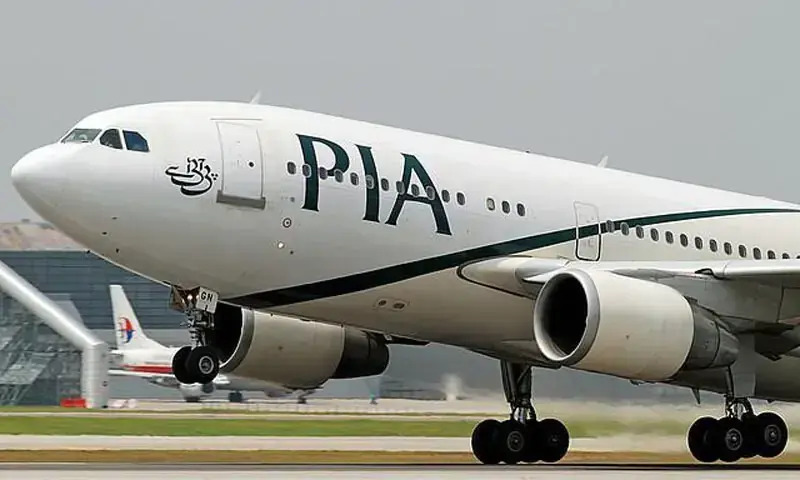
The federal government has categorically dismissed social media reports alleging that state machinery or ministerial channels are orchestrating taxpayer-backed financial packages for Pakistan International Airlines (PIA). Advising the Finance Ministry, Khurram Schehzad took to social media platform X on Sunday to clarify the administration's strict hands-off policy toward the newly privatised national flag carrier. Schehzad emphasized that the government is neither purchasing new aircraft for the airline nor issuing sovereign guarantees for commercial loans required for fleet expansion.
The clarification comes in the wake of viral speculation and unverified claims suggesting high-ranking cabinet ministers were actively negotiating sovereign-linked financing arrangements to secure modern commercial jets for PIA. Following its landmark privatisation through an open auction in December last year, the airline transitioned out of state management, shifting all capital expenditure, fleet modernization responsibilities, and operational liabilities entirely to its private owners.
Commercial & Economic Implications
For Pakistan's broader financial landscape, the government's refusal to extend sovereign backing represents a crucial adherence to fiscal discipline. Under successive International Monetary Fund (IMF) programs, the Pakistani state has been strictly barred from injecting unbudgeted bailout funds or extending sovereign guarantees to state-owned enterprises or recently privatised entities. By establishing that private owners must independently finance fleet upgrades, Islamabad has signaled a definitive end to the moral hazard that historically burdened public finances with billions of rupees in airline debts.
From a macroeconomic perspective, maintaining this strict firewall protects the national exchequer from contingent liabilities that could otherwise worsen the fiscal deficit. Retail markets, wholesale trade networks, and domestic consumers will feel the downstream effects through a more competitive, self-sustaining aviation sector rather than inflation-inducing state borrowing. Without taxpayer exposure, private investors must rely on domestic commercial syndications, foreign direct investment, or equity financing to modernize PIA's aging fleet, thereby improving operational efficiency without inflating public debt.
Related Intelligence: Government Rules Out Financing and Sovereign Guarantees for PIA Fleet Expansion
Stakeholder Perspectives & Market Reactions
Financial analysts and corporate governance experts have overwhelmingly welcomed the finance ministry's prompt rebuttal. Economic observers noted that allowing private buyers to shoulder their own commercial risks is vital for building investor confidence in Pakistan's ongoing privatization pipeline. If the state had stepped in to provide guarantees so soon after the December auction, it would have severely compromised the credibility of the entire divestment process and raised red flags among international lenders.
Conversely, industry insiders and labor representatives are closely monitoring how the private management will independently mobilize capital for fleet renewal. PIA requires immediate modernization to compete effectively on lucrative international routes, particularly to the Middle East, Europe, and the United Kingdom. Stakeholders in the travel and trade sectors stress that while the absence of state support guarantees fiscal prudence, the private consortium must demonstrate rapid access to foreign capital to restore the airline's market share and service reliability.
Forward Outlook & Key Watchpoints
As the dust settles on the recent wave of misinformation, market participants are shifting their focus to the private management's definitive business plan for fleet acquisition. Key watchpoints include how the new owners intend to structure lease agreements or capital purchases for wide-body and narrow-body aircraft without state backing. Regulatory bodies, including the Pakistan Civil Aviation Authority (PCAA), will closely scrutinize safety compliances and financial disclosures as the airline transitions fully into private corporate operations. The ultimate success of this privatization model will serve as a critical benchmark for upcoming state asset divestments across Pakistan's struggling public sector.
Join Our Official WhatsApp Channel
Receive live commodity alerts, policy changes, and commercial intelligence directly on WhatsApp.