
Libya Eyes Energy Windfall Amid Strait of Hormuz Crisis
As the Strait of Hormuz crisis threatens Middle Eastern energy flows, Libya's hydrocarbons face unprecedented demand. However, deep domestic divisions risk turning this commercial opening into a strategic trap.
Geopolitical & Core Developments
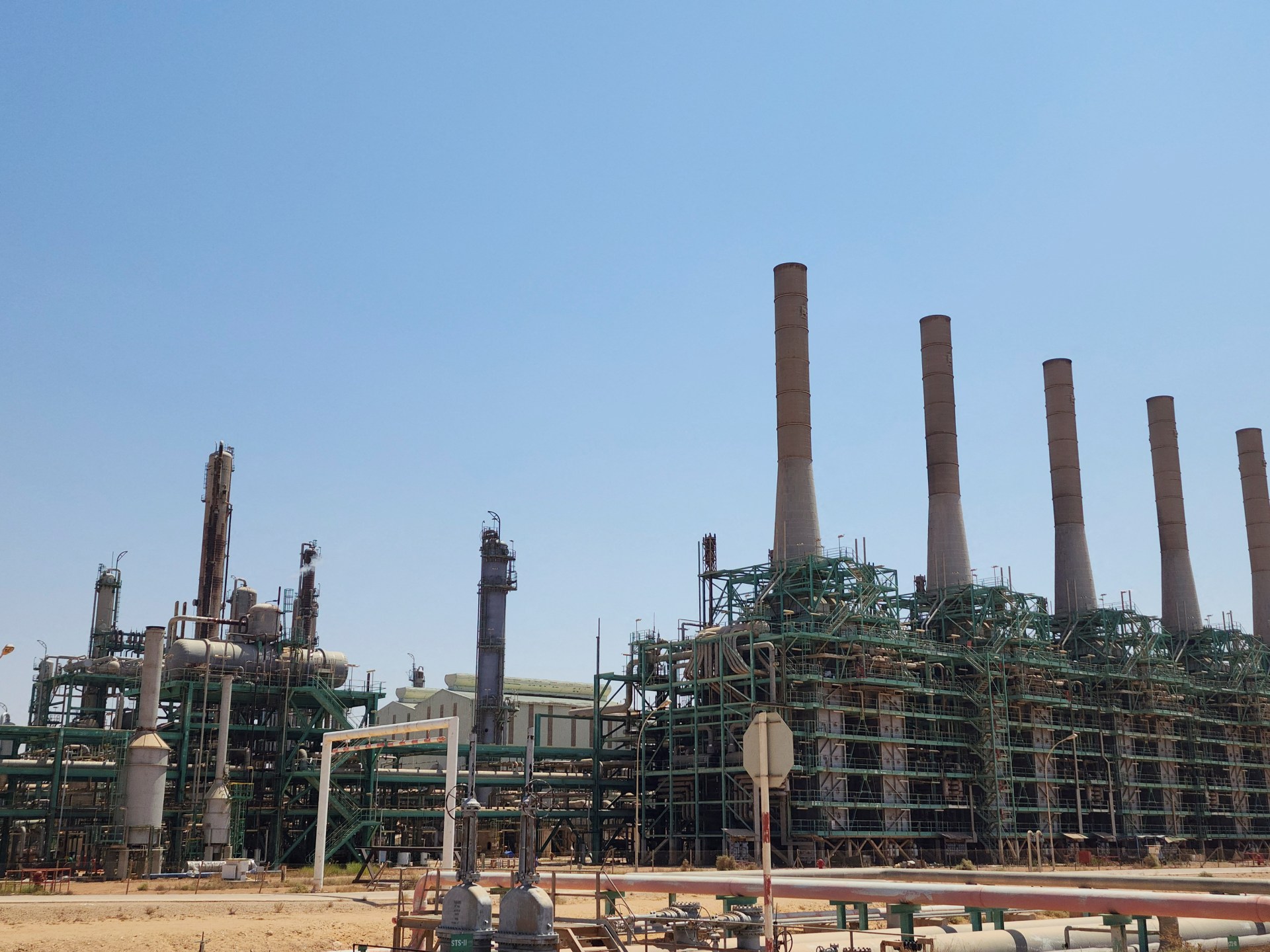
The escalation of tensions in the Strait of Hormuz has sent shockwaves through international energy corridors, abruptly refocusing Western attention on alternative hydrocarbon basins. Amid this acute maritime chokepoint vulnerability in the Arabian Gulf, Libya has re-emerged as a critical focal point for global energy security. Historically plagued by a decade of post-revolutionary civil conflict, institutional division, and infrastructural decay, the North African nation suddenly finds its vast sweet-crude reserves commanding renewed strategic importance. European importers, desperate to diversify away from volatile Middle Eastern supply routes that risk complete severance, are actively courting Tripoli. However, the path to translating this renewed geopolitical leverage into tangible national advantage is fraught with peril. Domestic governance remains deeply fractured between rival administrations in the east and west, while armed factions continue to leverage oil installations as bargaining chips in protracted power struggles. For Tripoli, navigating this delicate international moment requires an unprecedented degree of statecraft to prevent external exploitation from exacerbating internal fractures.
[Global Trade](/news/swiss-neutrality-referendum-tests-global-trade-and-financial-stability) & Economic Ripples
The structural vulnerability of Middle Eastern maritime arteries has fundamentally altered international commodity pricing and tanker shipping dynamics. Global energy markets are pricing in a permanent risk premium as the Strait of Hormuz handles roughly a fifth of the world's petroleum liquids. In this volatile pricing environment, Libyan crude—enjoying close geographic proximity to European refiners and lower sulfur content—presents an optimal logistical alternative. Shipping times across the Mediterranean are a fraction of those from the Persian Gulf, insulating European supply chains from potential maritime blockades or insurance spikes in the Arabian Sea. Nevertheless, this commercial windfall is counterbalanced by severe domestic economic distortions. Libya's heavy reliance on hydrocarbon rents, combined with opaque central bank revenue management and rampant fuel subsidies, drains foreign exchange reserves. Without structural macroeconomic reforms, increased export revenues risk vanishing into patronage networks rather than funding vital infrastructure modernization or stabilizing the national dinar against foreign currencies.
Related Intelligence: West Bank Escalation Threatens Middle East Stability and Global Supply Chains
International Reactions & Diplomatic Stances
Multilateral institutions and major energy consumers have intensified diplomatic engagement with Libyan stakeholders, urging immediate restraint and institutional unification. Officials from the European Union and the International Monetary Fund have repeatedly emphasized that sustained production increases depend entirely on establishing a unified, transparent mechanism for revenue distribution. International oil majors operating in the region have adopted a cautious posture, balancing lucrative concession agreements against persistent security threats and sudden force majeure declarations. Meanwhile, regional powers with competing interests in Libya's political settlement are recalibrating their stances, recognizing that an energy-rich, stable North African state could significantly shift Mediterranean trade balances. Diplomatic communiques from recent energy summits stress that international technical assistance is readily available to audit and modernize Libyan oil fields, provided local authorities commit to transparent governance and demilitarize critical energy infrastructure.
Strategic Outlook & Future Scenarios
Looking ahead, Libya stands at a historic crossroads where external systemic shocks offer a narrow window for national economic rehabilitation. The trajectory of the country's hydrocarbon sector will depend heavily on upcoming diplomatic summits and the willingness of domestic rivals to agree on a centralized budget framework. Should leadership factions fail to forge a unified economic strategy, the Hormuz crisis could trap the nation in a deeper cycle of resource curse dynamics, where heightened foreign attention exacerbates domestic corruption and invites external meddling. Conversely, if policymakers leverage current European desperation to institutionalize transparent revenue management and enact long-term infrastructural investments, Libya could secure its position as a pillar of Mediterranean energy stability for decades to come. The coming months will test whether geopolitical fortune can overcome entrenched political paralysis.
Join Our Official WhatsApp Channel
Receive live commodity alerts, policy changes, and commercial intelligence directly on WhatsApp.