
Venezuela Releases Political Prisoners Amid US Diplomatic Shift
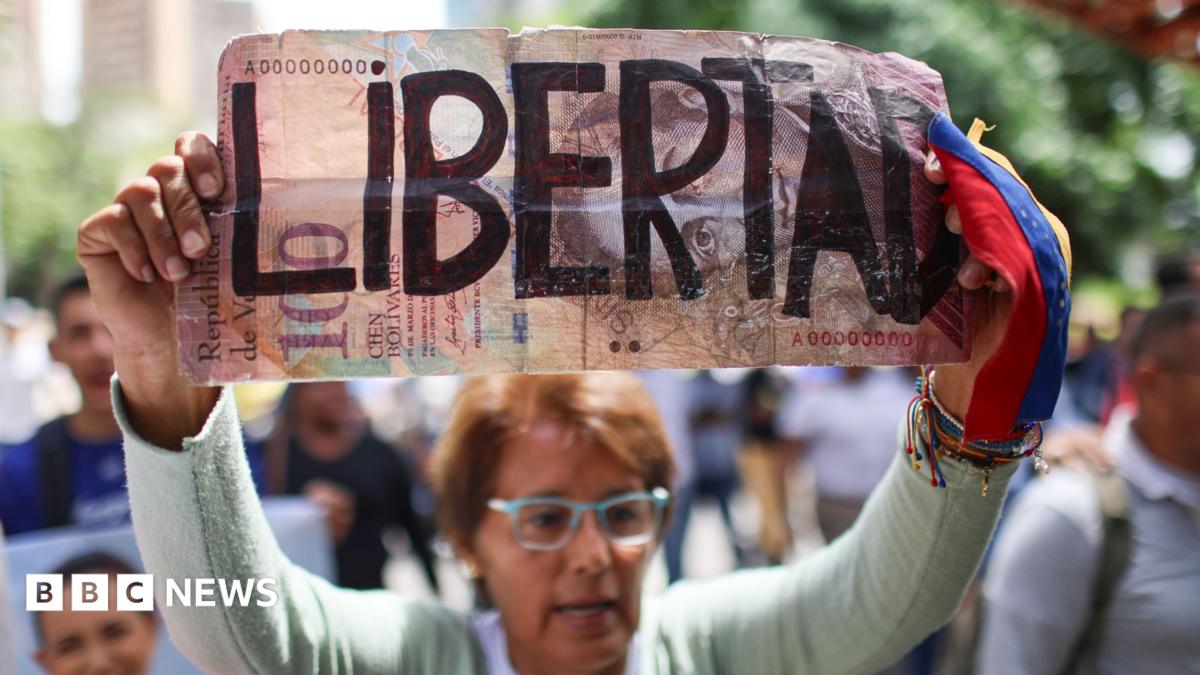
Venezuela has released dozens of political prisoners following high-level diplomatic contacts with Washington, signaling potential shifts in international sanctions and global energy markets.
Geopolitical & Core Developments
In a significant and unexpected diplomatic maneuver, Venezuelan authorities have released dozens of political prisoners from long-term detention facilities across the country. This sudden wave of releases comes directly on the heels of high-stakes diplomatic engagements, most notably a landmark meeting between Venezuela's interim leadership and senior representatives of the United States administration. For years, the intersection of domestic political repression and international sanctions has defined the Andean nation's isolation within the global community. The latest developments suggest a tentative thaw in bilateral channels, driven by mutual geopolitical imperatives and a growing recognition of the unsustainable status quo. State actors in Caracas are navigating complex internal political dynamics while seeking relief from punishing economic embargoes that have crippled public infrastructure and constrained governance capacity. Washington, meanwhile, faces mounting pressure to secure a stable and reliable energy architecture in the Western Hemisphere, prompting pragmatic re-evaluations of long-standing maximum pressure strategies.
[Global Trade](/news/swiss-neutrality-referendum-tests-global-trade-and-financial-stability) & Economic Ripples
For global commodity markets, particularly the international petroleum sector, any shift in Venezuela's political trajectory carries profound economic implications. Venezuela sits atop some of the largest proven crude oil reserves on the planet, yet decades of underinvestment, mismanagement, and comprehensive international sanctions have severely depressed its output. The gradual release of dissidents and the prospect of easing diplomatic tensions open a narrow pathway toward potential sanctions relief, which could eventually reintegrate heavier Venezuelan crudes into Gulf Coast refineries and global trading networks. International shipping lanes, maritime tanker logistics, and specialized refining hubs along the US Gulf Coast are closely monitoring these negotiations. Furthermore, currency valuations tied to emerging market commodities and regional trade indices have experienced subtle upward adjustments as institutional investors price in the distant possibility of normalized commercial flows and foreign direct investment returning to the Orinoco Belt.
Related Intelligence: West Bank Escalation Threatens Middle East Stability and Global Supply Chains
International Reactions & Diplomatic Stances
The international community has responded to the prisoner releases with a mixture of cautious optimism and diplomatic skepticism. Officials at the United Nations have welcomed the liberation of detained dissidents as a positive humanitarian step while emphasizing the necessity for structural, verifiable guarantees regarding fundamental human rights and democratic freedoms. Multilateral bodies and regional trade organizations across Latin America have urged both Caracas and Washington to maintain an open dialogue to ensure that humanitarian gestures translate into permanent institutional reforms. Meanwhile, market analysts and geopolitical risk consultancies advise institutional clients against premature exuberance, noting that previous cycles of engagement and relaxation of sanctions have frequently stalled due to domestic political reversals. Western capitals remain steadfast in demanding comprehensive electoral calendars before enacting any permanent rollback of economic sanctions.
Strategic Outlook & Future Scenarios
Looking toward the medium-term horizon, the trajectory of US-Venezuelan relations will likely depend on the concrete implementation of domestic political concessions within Caracas. Upcoming regional summits and international diplomatic forums will serve as critical litmus tests for whether the current prisoner releases represent an isolated tactical maneuver or the foundational phase of a broader democratic transition. Should negotiations progress constructively, phased sanctions relief could unlock vital foreign capital for Venezuela's dilapidated oil infrastructure, gradually restoring production capacities over several years. Conversely, any sudden reversal in domestic policy or renewed crackdowns on political opposition would immediately freeze diplomatic channels, precipitating a swift return to aggressive economic containment and heightened geopolitical volatility across the Caribbean basin.
Join Our Official WhatsApp Channel
Receive live commodity alerts, policy changes, and commercial intelligence directly on WhatsApp.