
GLP-1 Weight Loss Drugs Face Mounting Global Lawsuits Over Vision Loss Risks
Major pharmaceutical companies face mounting international legal scrutiny as more than 90 lawsuits allege blockbuster GLP-1 diabetes and weight loss drugs cause severe vision loss.
Geopolitical & Core Developments
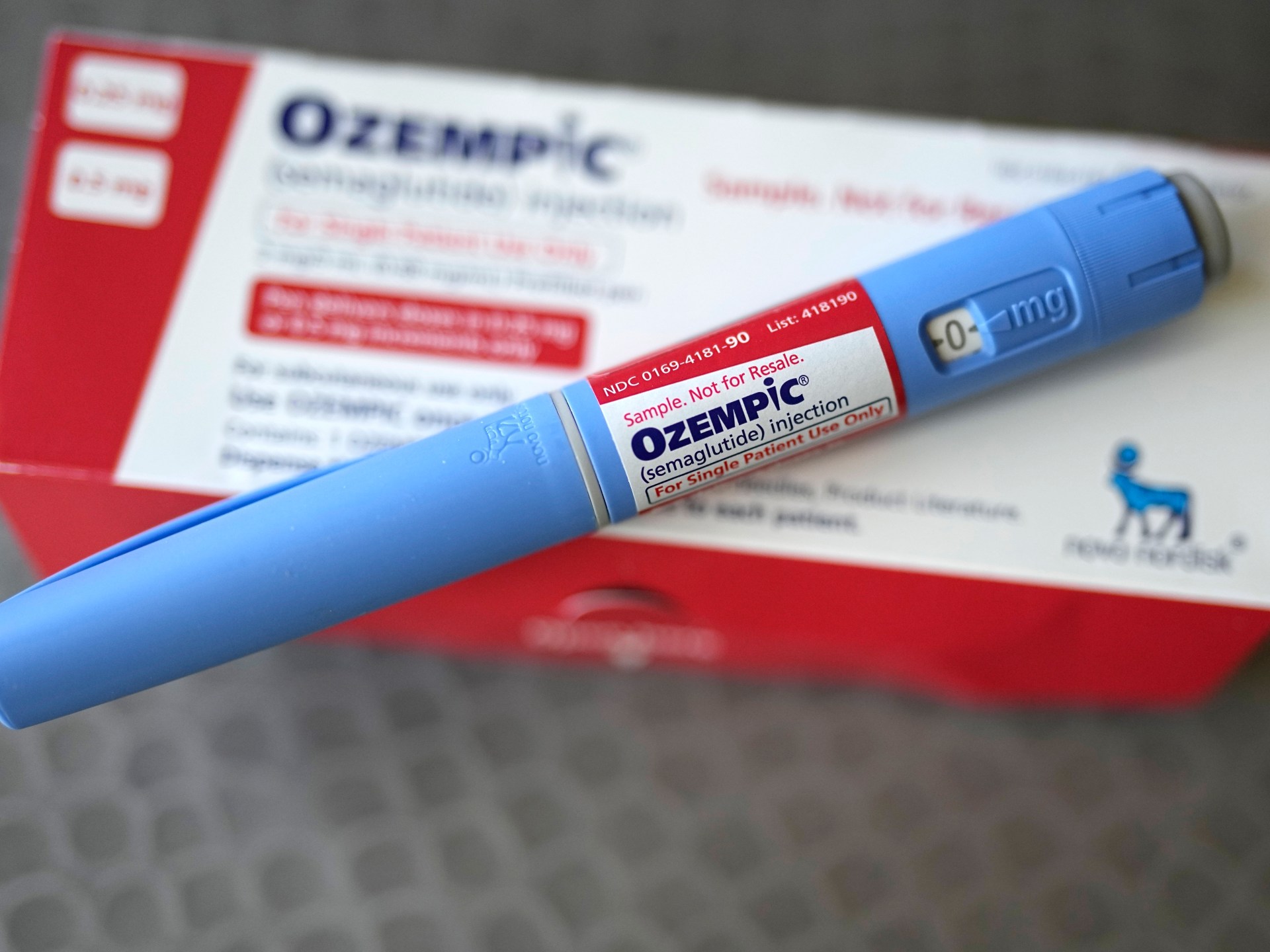
A rapidly expanding wave of litigation is confronting pharmaceutical manufacturers of blockbuster glucagon-like peptide-1 (GLP-1) receptor agonists, as more than 90 lawsuits allege a causal link between the revolutionary medications and a debilitating eye condition. The legal actions, primarily consolidated within major judicial jurisdictions, target industry giants dominating the multi-billion-dollar global market for diabetes management and chronic weight loss therapies. Plaintiffs contend that manufacturers failed to adequately warn patients and medical practitioners about the heightened risks of non-arteritic anterior ischemic optic neuropathy (NAION), a rare condition characterized by restricted blood flow to the optic nerve that can lead to permanent vision impairment or total blindness.
The regulatory landscape governing these life-altering pharmaceuticals is undergoing intense reassessment. Health authorities across North America, Europe, and Asia-Pacific markets are closely monitoring clinical data to determine whether current safety labeling sufficiently addresses ocular complications. As legal teams gather deposition testimony and independent medical reviews, the scope of the litigation threatens to expand internationally, drawing scrutiny from health ministries facing escalating healthcare burdens and potential liability questions regarding approved therapeutics.
Global Trade & Economic Ripples
The commercial implications of the unfolding litigation extend far beyond courtroom dockets, directly shaking global pharmaceutical supply chains, equity valuations, and investor sentiment. GLP-1 medications have served as a primary growth engine for international healthcare portfolios, driving unprecedented demand and supply chain expansions across chemical synthesis and biomanufacturing sectors. Any sustained regulatory pushback, mandatory warning label expansions, or adverse court verdicts could introduce significant friction into global distribution channels and alter long-term demand forecasts for weight management commodities.
Furthermore, broader commodity and macroeconomic trends are intertwined with the commercial trajectory of these drugs. Major financial markets have priced in sustained multi-year revenue growth for drugmakers, factoring in reduced societal costs associated with obesity-related cardiovascular events and type 2 diabetes. However, legal liabilities and potential settlement costs introduce a new volatility parameter for institutional investors. Healthcare sector indices have experienced localized downward pressure as institutional funds reassess regulatory risk premiums associated with blockbuster metabolic therapeutics operating at a global scale.
Related Intelligence: White House Press Ban Escalates Media Stand-Off and Market Uncertainty
International Reactions & Diplomatic Stances
Multilateral health organizations and international regulatory agencies have adopted a cautious stance, emphasizing the necessity of ongoing pharmacovigilance and rigorous post-market surveillance. While the World Health Organization and regional bodies have not yet issued formal trade or distribution restrictions, regulatory boards in several nations have initiated independent reviews of ocular adverse event reporting databases. Medical societies and endocrinology associations globally are urging clinicians to balance the proven metabolic and cardiovascular benefits of GLP-1 therapies against emerging neurological and ophthalmological risks.
Market analysts and legal experts suggest that the current wave of filings represents a critical juncture for pharmaceutical liability jurisprudence. Defense counsel for the major drug manufacturers maintain that clinical trials and extensive real-world evidence demonstrate a favorable risk-benefit profile, arguing that reported occurrences of NAION remain statistically rare within the broader treated population. Nonetheless, international consumer advocacy groups are demanding heightened transparency and stricter international harmonization of pharmaceutical safety warnings.
Strategic Outlook & Future Scenarios
Looking ahead, the trajectory of the GLP-1 litigation will likely set a vital precedent for the governance of next-generation blockbuster therapeutics. Upcoming judicial hearings and consolidated pretrial proceedings will determine whether scientific consensus can establish a definitive causal relationship between GLP-1 receptor agonism and ischemic optic events. If courts mandate extensive warning revisions or establish substantial financial liabilities, pharmaceutical firms may face compressed profit margins and altered commercial strategies for pipeline development.
Simultaneously, international trade negotiations touching upon pharmaceutical intellectual property rights and market access could be indirectly influenced by shifting regulatory standards. Policymakers balancing innovation incentives with consumer protection will closely observe how global health systems manage the dual imperatives of expanding patient access to revolutionary metabolic treatments and enforcing rigorous post-market accountability.
Join Our Official WhatsApp Channel
Receive live commodity alerts, policy changes, and commercial intelligence directly on WhatsApp.