
White House Press Ban Escalates Media Stand-Off and Market Uncertainty
The White House introduced alternative media broadcasting as major networks suspended pool coverage, raising concerns among international observers regarding geopolitical transparency and policy predictability.
Geopolitical & Core Developments
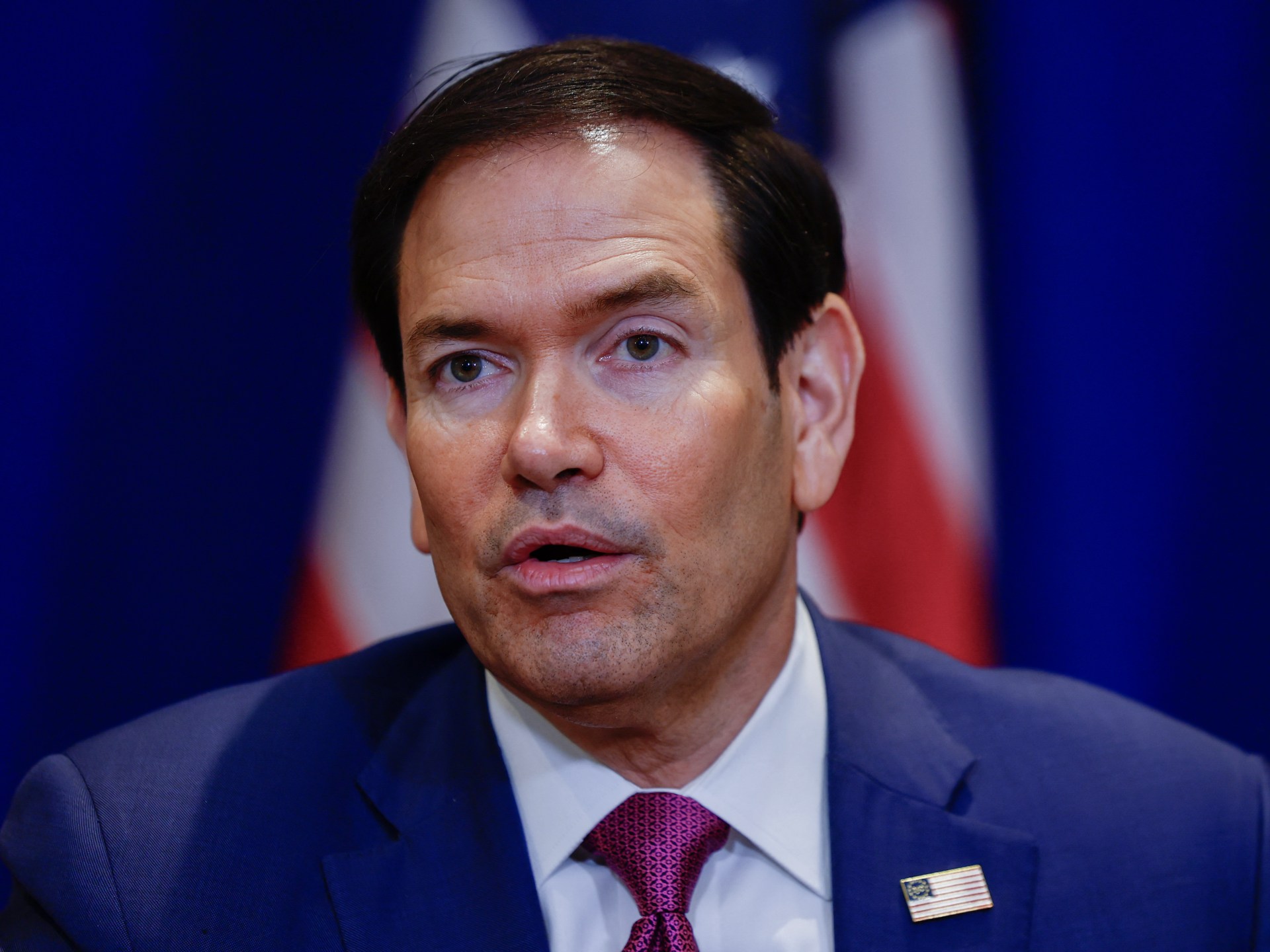
The decision by the United States administration to restrict access for prominent news organizations—including CNN, MSNBC, and Politico—while launching an alternative state-backed broadcasting platform marks a profound shift in American political communication. Secretary of State Marco Rubio staunchly defended the White House ban, framing the measure as a necessary correction against what the administration terms partisan bias in mainstream journalism. This institutional friction escalated rapidly when major television networks chose to suspend the traditional White House press pool coverage in protest of the exclusionary credentialing criteria.
From a diplomatic perspective, the breakdown in conventional information channels sends complex signals to international capitals. Foreign governments and multilateral bodies rely heavily on transparent, real-time readouts from traditional US media networks to gauge domestic political stability and policy trajectory. When the primary apparatus of state communication becomes fractured and partisan, foreign ministries face heightened uncertainty in interpreting legislative intent, executive orders, and broader geopolitical posture.
Global Trade & Economic Ripples
While the dispute is ostensibly domestic in origin, global commodity markets and international trade desks are monitoring the fallout closely. In modern global commerce, information symmetry is paramount. Commodity traders, energy analysts, and currency markets price risk based on official pronouncements and timely investigative reporting regarding US economic policy, tariff discussions, and sanctions enforcement. The emergence of a fragmented media ecosystem introduces noise into the information pipeline, complicating risk assessment for multinational corporations operating in highly sensitive sectors such as energy, agriculture, and defense.
Furthermore, heightened political polarization within the world's largest economy often translates into legislative gridlock or erratic trade policy signaling. International shipping lanes, foreign exchange reserves, and sovereign debt instruments remain sensitive to sudden shifts in Washington's diplomatic rhetoric. If structural changes to press freedom and institutional oversight persist, foreign direct investment decisions and multilateral trade negotiations could face prolonged friction as international partners reassess the reliability of long-term policy commitments emanating from the current administration.
Related Intelligence: Trump Media Venture Tests Global Press Freedom and Diplomatic Norms
International Reactions & Diplomatic Stances
International response to the White House press restrictions has been guarded yet watchful. European Union officials and representatives from various democratic allies have privately expressed concern over the diminishing standards of press freedom in Western democracies, noting that such precedents are frequently leveraged by authoritarian regimes to justify their own crackdowns on independent journalism. Emerging market economies, meanwhile, view the development through the lens of internal US vulnerability, assessing whether institutional discord will constrain Washington's ability to project coherent foreign policy.
Market analysts and geopolitical risk consultancies have upgraded their volatility indices for US domestic assets, cautioning clients that diminished transparency directly correlates with regulatory unpredictability. International trade associations emphasize that clear, unhindered communication channels between governments and the business community are essential for maintaining stable supply chains and preventing market overreactions to regulatory rumors.
Strategic Outlook & Future Scenarios
As the standoff enters its next phase, the trajectory of US media relations and executive branch communications remains deeply uncertain. Upcoming international summits, bilateral trade negotiations, and multilateral forums will test the administration's ability to manage foreign press corps under these new credentialing rules. If foreign journalists experience similar access restrictions, diplomatic friction is expected to escalate significantly at upcoming G7 and G20 ministerial meetings.
Ultimately, the normalization of restricted press access risks institutionalizing an era of opaque governance in Washington. For global traders and geopolitical strategists, navigating this new reality requires developing alternative intelligence-gathering networks and reducing reliance on traditional state-sanctioned briefings. The long-term implications for American soft power, democratic credibility, and international market confidence will depend heavily on whether the current media blockade hardens into permanent policy or gives way to renewed institutional compromise.
Join Our Official WhatsApp Channel
Receive live commodity alerts, policy changes, and commercial intelligence directly on WhatsApp.