
Islamabad High Court Summons SSP Over Alleged PTI Harassment
The Islamabad High Court summoned the senior superintendent of police over alleged raids and harassment of PTI leaders ahead of their planned capital march.
The Core Development
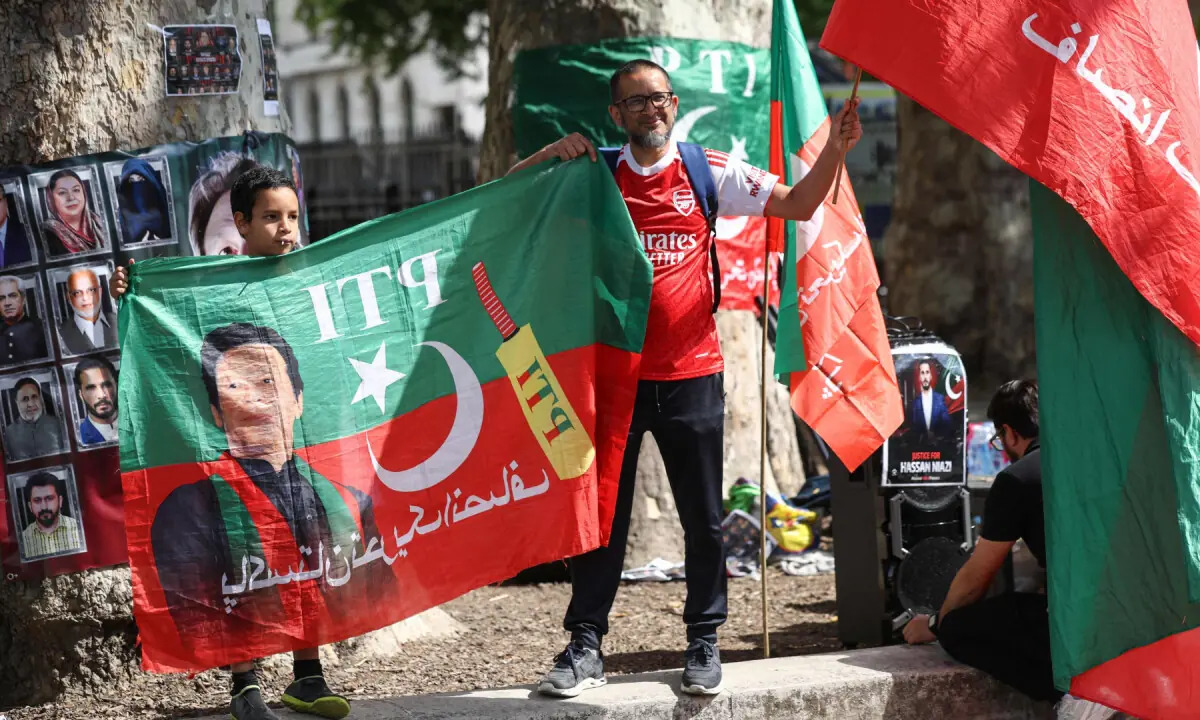
The Islamabad High Court (IHC) on Tuesday escalated judicial scrutiny into state law enforcement practices by summoning the Senior Superintendent of Police (Operations) for September 24. The directive came during a hearing presided over by Justice Raja Inaam Ameen Minhas, who is reviewing a constitutional petition filed by senior Pakistan Tehreek-e-Insaf (PTI) leaders, including Malik Aamir Dogar and Shoaib Shaheen. The petition challenges what the applicants describe as an orchestrated campaign of unlawful police harassment, midnight home raids, and arbitrary detentions directed at opposition figures and their families ahead of the party's scheduled long march toward the federal capital.
During the proceedings, petitioners' counsel detailed a pattern of aggressive nocturnal incursions by police details acting without formal warrants, causing severe disruption to residential neighborhoods across Islamabad and Rawalpindi. Compounding these concerns, the Islamabad High Court Bar Association (IHCBA) issued a parallel condemnation, alleging that law enforcement agencies have extended their coercive tactics to intimidate, harass, and unlawfully detain members of the legal fraternity who attempt to represent detained political actors or challenge executive overreach in local courts.
Commercial & Economic Implications
While ostensibly a matter of constitutional law and political rivalry, persistent institutional instability and executive-judicial friction carry severe economic repercussions for commercial operations across Pakistan. Urban centers like Islamabad and Rawalpindi frequently face sudden administrative lockdowns, containerized road blockages, and heightened security checkpoints in anticipation of political marches and state crackdowns. These disruptions severely paralyze wholesale distribution networks, delay perishable agricultural supply chains moving from Punjab to northern markets, and dramatically inflate logistics costs for retail businesses.
Furthermore, prolonged political uncertainty dampens business confidence and discourages domestic and foreign private investment. Retail trade volumes contract significantly during periods of heightened civil unrest, as urban consumers restrict non-essential mobility and expenditure. For Kalyar Traders and the wider commercial business community in Pakistan, the recurring cycle of political confrontation translates into unpredictable market behavior, cash flow compression, and heightened operational risks that ultimately exacerbate inflationary pressures on essential commodities.
Related Intelligence: Lahore High Court Reviews Digital Evidence in Junaid Hafeez Case
Stakeholder Perspectives & Market Reactions
Reaction from civil society, commercial bodies, and legal organizations has been sharply critical of the administration's heavy-handed approach. Independent legal experts and bar representatives argue that deploying police apparatus to preempt political assembly violates fundamental constitutional rights to freedom of movement and assembly, while simultaneously eroding the independence of the bar and bench. The IHCBA's formal grievances highlight a growing anxiety among legal professionals that civil liberties are being systematically undermined under the guise of maintaining public order.
Conversely, interior ministry and law enforcement officials maintain that heightened security measures and preemptive actions are necessitated by intelligence reports indicating potential threats to public safety and state infrastructure. However, the judiciary's decision to directly summon senior police leadership signals a hardening judicial stance against administrative excesses, prompting markets and political analysts to monitor the September 24 hearing as a crucial test of institutional checks and balances.
Forward Outlook & Key Watchpoints
All eyes are now focused on the upcoming September 24 court appearance by the SSP (Operations), where judicial directives regarding the legality of ongoing raids and detentions are expected to be issued. The outcome of this hearing could establish a critical legal precedent governing police powers during periods of intense political agitation. Key indicators to watch include potential modifications to capital security protocols, the government's formal response to judicial inquiries regarding warrants, and any subsequent resolutions passed by trade bodies and bar associations regarding commercial continuity and rule of law.
Join Our Official WhatsApp Channel
Receive live commodity alerts, policy changes, and commercial intelligence directly on WhatsApp.