
Global Sports Entertainment Economy Surges Amid Broadening Sovereign Investment Strategies
Major international sporting events such as Arsenal's encounter with Nottingham Forest demonstrate the deepening economic convergence of global broadcast syndication, sovereign wealth involvement, and multinational consumer expenditure.
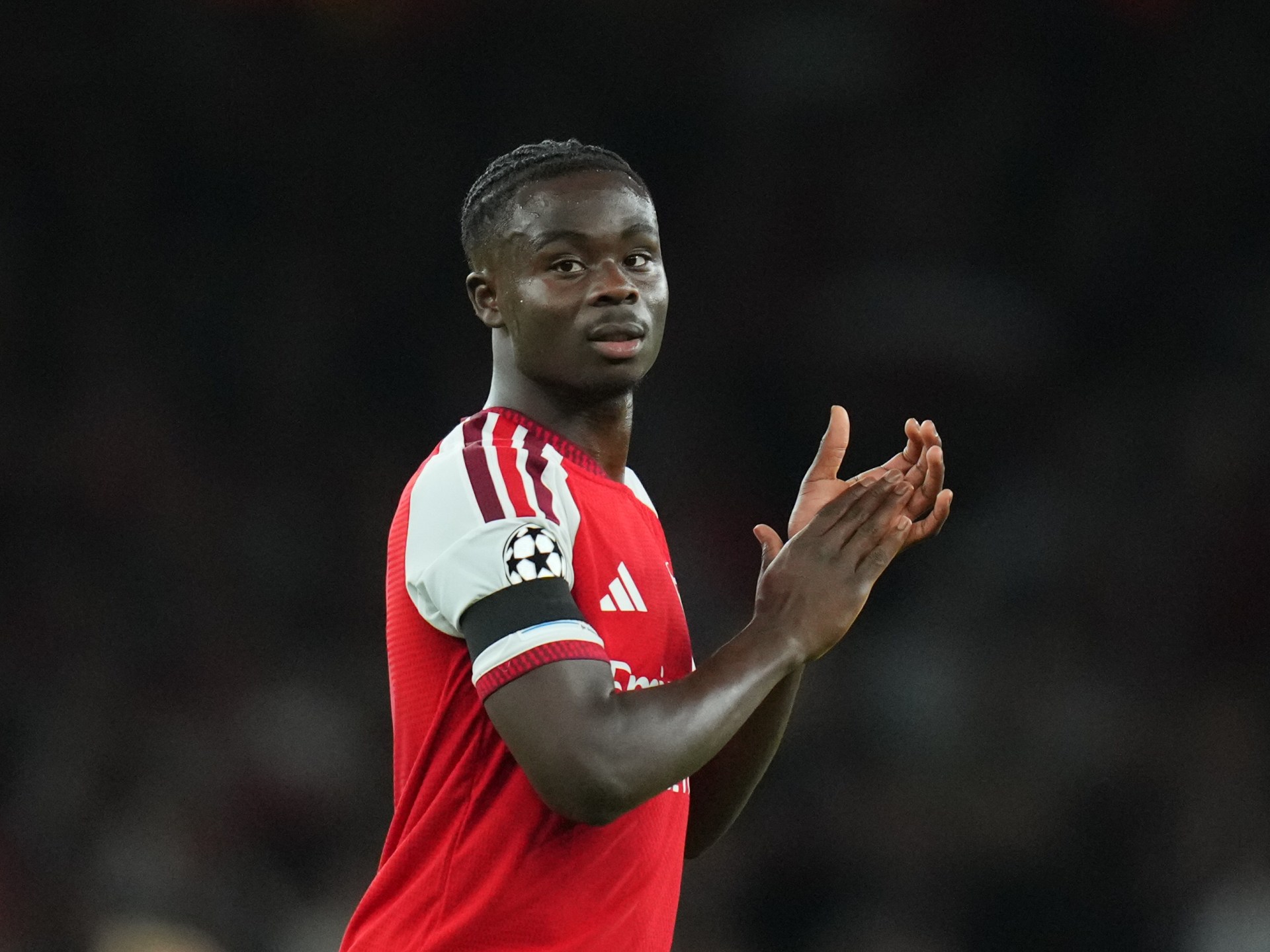
Geopolitical & Core Developments
The staging of premier international sporting contests, exemplified by the competitive fixture between Nottingham Forest and Arsenal Football Club, serves as a high-profile convergence point for international capital, diplomatic soft power, and transnational commercial interests. European club football has increasingly evolved from regional athletic competition into a strategic vector for sovereign wealth management and cross-border financial influence. Major institutional entities, particularly from the Middle East, the United States, and Asia, have deployed capital across the sporting ecosystem to diversify portfolios away from traditional sectors and amplify diplomatic visibility on the world stage.
The strategic value of tier-one sporting events extends beyond direct matchday outcomes. The global footprint of clubs competing in the English Premier League represents an apparatus of international soft diplomacy, wherein nation-states and multinational corporate conglomerates align their sovereign and corporate identities with iconic athletic brands. This integration has fundamentally transformed club governance, moving domestic institutions into the realm of foreign policy instruments and international asset holdings subject to global regulatory oversight.
Global Trade & Economic Ripples
The commercial machinery underpinning matches involving historic clubs such as Arsenal and Nottingham Forest exerts significant leverage over international consumer markets, digital infrastructure, and global media supply chains. Broadcast distribution networks distribute multi-billion-dollar audiovisual rights across five continents, driving telecommunications expansion and digital ad-spend trends across emerging and developed markets alike.
Simultaneously, the merchandise and licensing supply chains linked to European sporting brands rely on complex transnational logistics, spanning textile manufacturing hubs across South Asia, intermediate assembly in Southeast Asia, and freight transport routes navigating critical maritime choke points. Disruptions in global freight lanes directly pressure retail inventories and consumer goods revenues. Furthermore, corporate sponsorship agreements tied to global athletic platforms channel cross-border currency flows that impact foreign exchange liquidity, linking multinational banking, airline sponsorship capital, and digital finance platforms to physical entertainment consumption.
Related Intelligence: Deadly Strikes Hit St Petersburg Energy and Digital Infrastructure
International Reactions & Diplomatic Stances
Financial regulators, international sporting governing bodies, and governmental authorities have increasingly scrutinized the macroeconomic implications of foreign direct investment into premier entertainment assets. Multilateral institutions and consumer protection authorities within the United Kingdom and the European Union have accelerated initiatives to implement independent regulatory oversight, aiming to balance open trade and capital mobility with rigorous scrutiny of foreign investment sources.
Market analysts note that foreign ownership models are increasingly calibrated against broader geopolitical relations. Western financial institutions have maintained rigorous compliance requirements around asset provenance and ultimate beneficial ownership, while international investors emphasize their role in driving capital infrastructure development, local economic regeneration, and sustainable commercial expansion in target jurisdictions.
Strategic Outlook & Future Scenarios
The trajectory of global sports commercialization indicates persistent institutional capital inflows, even amidst macroeconomic volatility and geopolitical friction. Sovereign wealth funds and global private equity consortiums are projected to continue pursuing minority stakes, infrastructure projects, and ancillary digital ecosystem investments. Upcoming regulatory reviews will likely introduce stringent financial sustainability frameworks, testing the resilience of current valuation models across global entertainment assets.
Over the medium term, the commercialization of cross-border sports will intersect more directly with diplomatic engagements, as emerging market economies leverage sports diplomacy to cultivate trade relationships and foreign direct investment channels. Organizations that manage risk across regulatory compliance, supply chain predictability, and cross-border currency exposures will remain best positioned to maximize value from the internationalization of high-profile sporting fixtures.
Join Our Official WhatsApp Channel
Receive live commodity alerts, policy changes, and commercial intelligence directly on WhatsApp.