
Fatal Shooting at Oregon Elementary School Prompts Fresh Security and Supply Concerns
A deadly shooting at an Oregon elementary school has claimed four lives, prompting fresh debate over physical institutional security and international procurement of protection hardware.
The Core Development
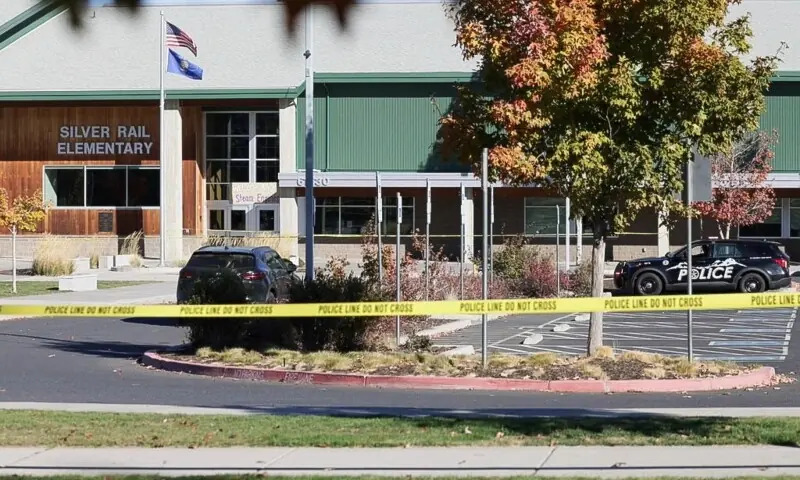
Tragedy unfolded in the western United States on Thursday morning when a 16-year-old armed assailant breached the premises of Silver Rail Elementary School in Bend, Oregon. According to local law enforcement authorities, the shooter forced entry by discharging a firearm directly through the institution's locked exterior glass doors. The targeted assault resulted in the deaths of four victims: three children aged 5, 8, and 11, alongside a faculty teacher.
Two additional individuals, identified as a seven-year-old student and a 54-year-old educator, sustained critical injuries and were evacuated to regional trauma facilities for emergency surgical interventions. The active shooting incident ended abruptly when an armed civilian bystander from the local community pursued the shooter into the school building and neutralized him on site. Bend Police Chief Mike Krantz confirmed the sequence of events during an official press briefing. Oregon Governor Tina Kotek publicly commended the armed citizen's decisive intervention while underscoring the deep collective grief reverberating across the state, reiterating that systemic gaps in institutional protection continue to expose vulnerable educational environments.
Commercial & Economic Implications
While this incident occurred in the United States, systemic violence within academic and public facilities has immediate structural implications for international commerce, risk management policies, and security hardware supply chains. Educational entities, multinational offices, and sensitive installations in Pakistan must frequently reassess physical access protocols following high-profile global vulnerabilities. For domestic procurement managers and wholesale distributors across key commercial centers like Karachi, Lahore, and Rawalpindi, recurrent security failures accelerate demand for high-grade physical infrastructure.
Importers in Pakistan face rising demand for shatter-resistant architectural glass, reinforced access control entryways, biometric turnstiles, and active surveillance technology. With inflationary pressures and import restrictions affecting enterprise-level spending, security departments must carefully navigate hardware procurement costs against operational threat management. Furthermore, multinational entities operating within South Asia often standardize corporate safety protocols based on Western risk frameworks, triggering regional compliance reviews that can adjust operational capital expenditures for regional offices and affiliated private educational networks.
Related Intelligence: Fatal Oregon School Shooting Renews Domestic Security Debates Across United States
Stakeholder Perspectives & Market Reactions
Security consultants and risk management professionals in Pakistan emphasize that reliance on locked conventional doors provides inadequate delay times during active violent intrusions. Corporate security specialists argue that layered perimeter deterrence, comprehensive entrance hardening, and rapid-response integration remain non-negotiable standards for educational and commercial campuses alike.
In international public and market arenas, gun-control advocacy groups and civil defense organizations have renewed contentious debates. Advocates of civilian protection point to the rapid neutralization of the attacker by an armed bystander as an endorsement of civilian defense capabilities. Conversely, policy analysts note that relying on armed civilians presents unpredictable operational risks, urging governments instead to implement comprehensive physical fortification mandates alongside stricter regulatory constraints on high-capacity weapons.
Forward Outlook & Key Watchpoints
In the coming weeks, municipal and federal investigators in the United States will examine the legal status of the firearm employed by the minor, institutional emergency response timelines, and architectural structural performance during the breach. In parallel, global procurement channels for surveillance, perimeter fortification, and ballistic-rated materials are expected to see localized spikes in tender issuances.
For commercial operators and security procurement teams in Pakistan, key watchpoints center on the import availability and pricing of specialized security hardware amid fluctuating exchange rates. The tragedy in Bend serves as a critical operational reminder that physical plant vulnerabilities carry catastrophic risks, accelerating the transition toward integrated access control and defensive architectural planning across private and public sectors worldwide.
Join Our Official WhatsApp Channel
Receive live commodity alerts, policy changes, and commercial intelligence directly on WhatsApp.