
Geopolitical Polarization Strains Global Live Entertainment Economy Amid Touring Controversies
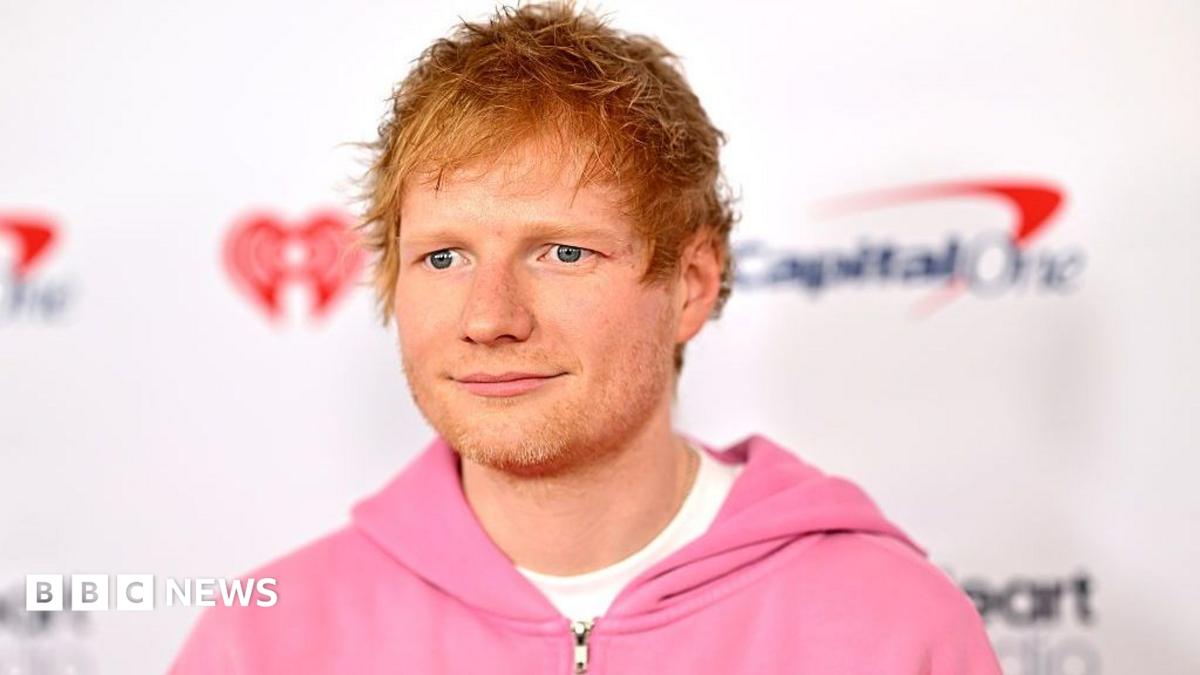
Ed Sheeran addressed Philadelphia concertgoers following the removal of rapper Macklemore from his tour, illustrating how geopolitical polarization and speech controversies are reshaping contractual liabilities across the global live entertainment industry.
Geopolitical & Core Developments
British singer-songwriter Ed Sheeran took the stage at Philadelphia's Lincoln Financial Field, directly addressing lineup disruptions that altered his stadium circuit following the abrupt removal of American rapper Macklemore. The programming crisis emerged after Macklemore delivered contentious political rhetoric regarding the Middle East conflict during a public rally, precipitating immediate scrutiny from corporate stakeholders, civic organizations, and venue authorities. Consequently, secondary artist dropouts compelled Sheeran to recalibrate his performance schedule in real time, navigating audience expectations amid an increasingly volatile cultural environment.
The incident underscores how modern transnational cultural platforms have become secondary flashpoints for geopolitical polarization. For decades, multi-market entertainment tours operated under an unwritten doctrine of ideological neutrality, structured to maximize cross-border revenue and demographic reach. However, heightened international hostilities and corresponding domestic political sensitivities in major Western economies have compromised this framework, forcing global talent syndicates, promoters, and venue operators into complex legal and diplomatic balancing acts.
Global Trade & Economic Ripples
The financial ramifications of high-profile roster disruptions extend across the global live entertainment and hospitality value chains. Transnational live touring represents an estimated thirty-five billion dollar industry, driving extensive cross-border trade in specialized stage freight, maritime and air logistics, international crew mobility, and venue operations. Roster cancellations at the mega-stadium tier generate immediate operational friction, from processing ticketing refunds to recalculating merchandise inventory turnover and concessions yield.
Concurrently, risk underwriting syndicates and commercial insurers are recalculating their exposure models. Event cancellation insurance and artist performance bonds are increasingly subject to expanded moral conduct clauses and liability exclusions linked to geopolitical speech. Major multinational promoters, including global giants such as Live Nation Entertainment and AEG Presents, face delicate revenue negotiations when corporate sponsors threaten to withdraw capital to avoid political entanglements. Multi-market brand partnerships, which channel substantial liquidity into international tours, are demanding stringent indemnification terms to insulate corporate balance sheets from controversial off-stage discourse.
Related Intelligence: India Education Deficit Exposes Human Capital Risks Amid Supply Chain Push
International Reactions & Diplomatic Stances
Market analysts, municipal venue regulators, and corporate governance specialists are monitoring the episode as a case study in brand equity defense. Financial analysts note that the commercial viability of international stadium tours depends on insulating major assets from divisive global geopolitical debates. Several municipal stadium commissions across North America and Europe have privately voiced reluctance to absorb incremental policing costs and security overhead necessitated by politically charged appearances, prioritizing public order and structural risk containment.
Conversely, artistic coalitions and civil liberties advocates argue that corporate disengagement sets a problematic precedent for international cultural diplomacy. However, risk management consultancies emphasize that corporate entities and sovereign wealth-backed entertainment funds are pursuing strict risk-mitigation strategies. Consumer-facing brands remain acutely sensitive to social media contagion and cross-border boycotts, reinforcing a corporate consensus that favors geopolitical neutrality in commercial entertainment partnerships.
Strategic Outlook & Future Scenarios
Looking ahead, global entertainment logistics will likely experience comprehensive contractual restructuring. Future multi-continent stadium contracts are anticipated to incorporate expanded force majeure clauses, rigorous brand-compliance guidelines, and strict unilateral removal provisions for supporting talent. Talent management syndicates will increasingly employ geopolitical risk intelligence teams to audit regional market dynamics and candidate rhetoric prior to contract execution.
As geopolitical divisions continue to fragment global markets, the creative economy faces structural headwinds. Tour operators, institutional investors, and global ticketing platforms will prioritize operational predictability over high-risk, diverse lineups. The enduring challenge for transnational entertainment enterprises will be maintaining cultural relevance while safeguarding multi-million-dollar cross-border supply chains against an increasingly fragmented geopolitical landscape.
Join Our Official WhatsApp Channel
Receive live commodity alerts, policy changes, and commercial intelligence directly on WhatsApp.