
Geopolitical Polarization Strains Global Entertainment Industry Amid Middle East Fallout
Pro-Palestinian demonstrations and artist line-up revisions at major international concerts highlight how escalating Middle East geopolitical friction is spilling directly into Western commercial entertainment and multinational brand portfolios.
Geopolitical & Core Developments
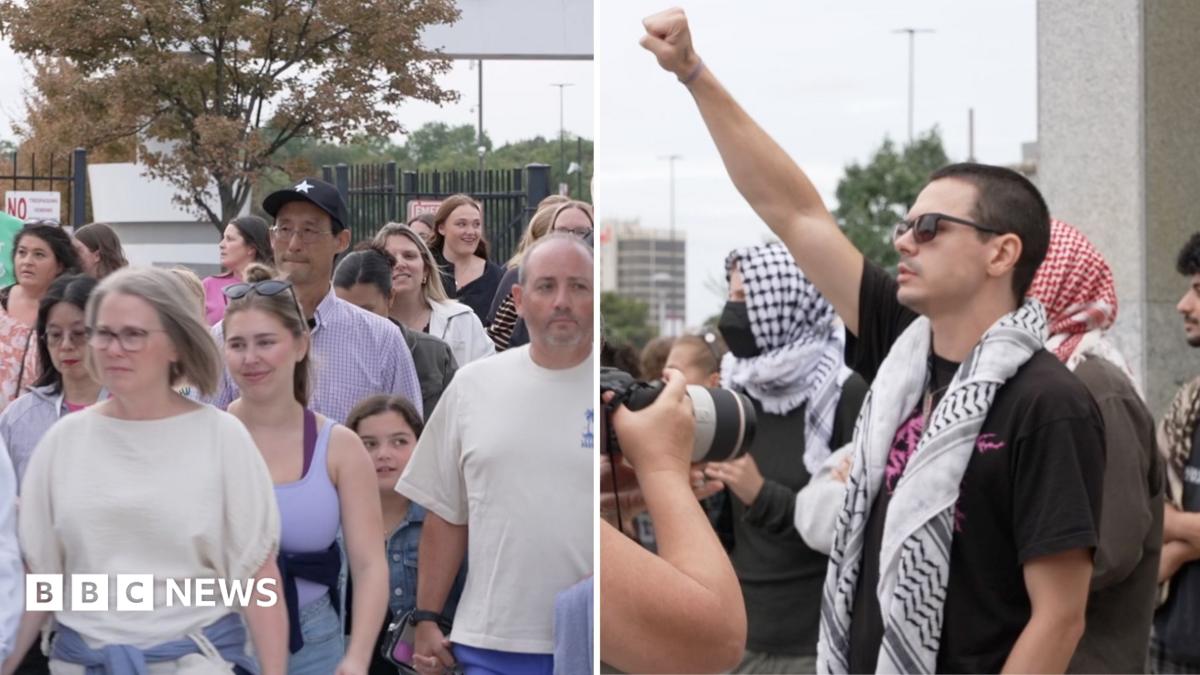
The intersection of ongoing Middle East hostilities and Western public diplomacy has manifested forcefully within the international cultural sphere. Outside major concert venues hosting global pop headliner Ed Sheeran, municipal authorities and security details were deployed to manage concurrent streams of ticket holders and mobilized pro-Palestinian demonstrators. The friction follows the high-profile removal of American hip-hop artist Macklemore from tour programming after he delivered controversial political remarks regarding the conflict during an earlier performance.
This incident illustrates how public arenas across Western capitals—ranging from London and Berlin to Sydney—are increasingly utilized as proxy platforms for contested geopolitical narratives. As the humanitarian crisis in Gaza deepens and sovereign diplomatic negotiations repeatedly falter in multilateral forums, civil society mobilization has shifted toward high-density cultural assets. For state authorities and local governance bodies, balancing constitutional rights to assemble against public order imperatives presents an increasingly fraught administrative and security challenge.
Global Trade & Economic Ripples
While ostensibly localized to the entertainment sector, the systemic politicization of mass cultural events carries material ramifications for the broader services and hospitality economy. The global live performance industry, valued at over $35 billion annually, operates on delicate commercial ecosystems encompassing transatlantic corporate sponsorships, municipal tax revenues, and hospitality supply chains.
Heightened civil demonstration risks have triggered recalculations across the event underwriting and commercial insurance markets. Underwriters in European and North American financial centers are pricing higher risk premiums for civil commotion, cancellation riders, and crowd control protocols at major stadium assets. Concurrently, institutional sponsors—including multinational beverage producers, consumer technology firms, and automotive partners—face acute reputational volatility. Targeted consumer boycotts driven by the Boycott, Divestment, Sanctions (BDS) movement have demonstrated an ability to depress regional consumer spending, creating balance-sheet vulnerability for publicly traded brands caught between polarized customer demographics. Furthermore, major sovereign wealth funds from the Gulf Cooperation Council, which have invested tens of billions into Western sports, entertainment, and venue real estate, must navigate widening discrepancies between their geopolitical postures and the domestic sensitivities of Western markets.
International Reactions & Diplomatic Stances
International responses reveal an intractable divide between regulatory bodies, civil liberties advocates, and corporate operators. Multilateral human rights monitors and civil liberties organizations have cautioned against the disproportionate suppression of peaceful assembly, arguing that excluding artists or restricting demonstrations outside public venues risks chilling legitimate political expression.
Conversely, industry trade bodies and institutional venue operators maintain that contractual neutrality is essential to safeguarding commercial operations, ensuring physical safety, and honoring contractual obligations to broad audiences who purchase tickets purely for leisure. Municipal authorities across European capitals have supported promoter discretion, pointing to intelligence assessments that warn of heightened civil unrest and public safety bottlenecks in urban transport hubs during synchronized demonstrations.
Strategic Outlook & Future Scenarios
Looking ahead, commercial entertainment and international touring circuits will remain acute flashpoints for geopolitical activism as long as kinetic conflict persists in the Levant. Promoters, booking agencies, and corporate brands are expected to institutionalize comprehensive revisions to standard performer covenants, incorporating explicit non-political compliance clauses, indemnification requirements, and social media morality guidelines to insulate commercial operations from sudden artist-driven boycotts.
Over the medium term, this dynamic threatens to bifurcate the international entertainment sector. Performers and cultural brands may face geographic segmentation, where artists taking overt ideological stances find access restricted in certain Western or Middle Eastern commercial territories. For risk managers and multinational sponsors, geopolitical exposure can no longer be quarantined within the spheres of defense, shipping lanes, and energy commodities; it has firmly embedded itself in the operational reality of global consumer culture.
Join Our Official WhatsApp Channel
Receive live commodity alerts, policy changes, and commercial intelligence directly on WhatsApp.