
French Student Protests Spark Nationwide Unrest and Economic Uncertainty
Widespread student protests originating in Paris have escalated across France, triggering transport disruptions and raising concerns over domestic economic stability and investor sentiment.
Geopolitical & Core Developments
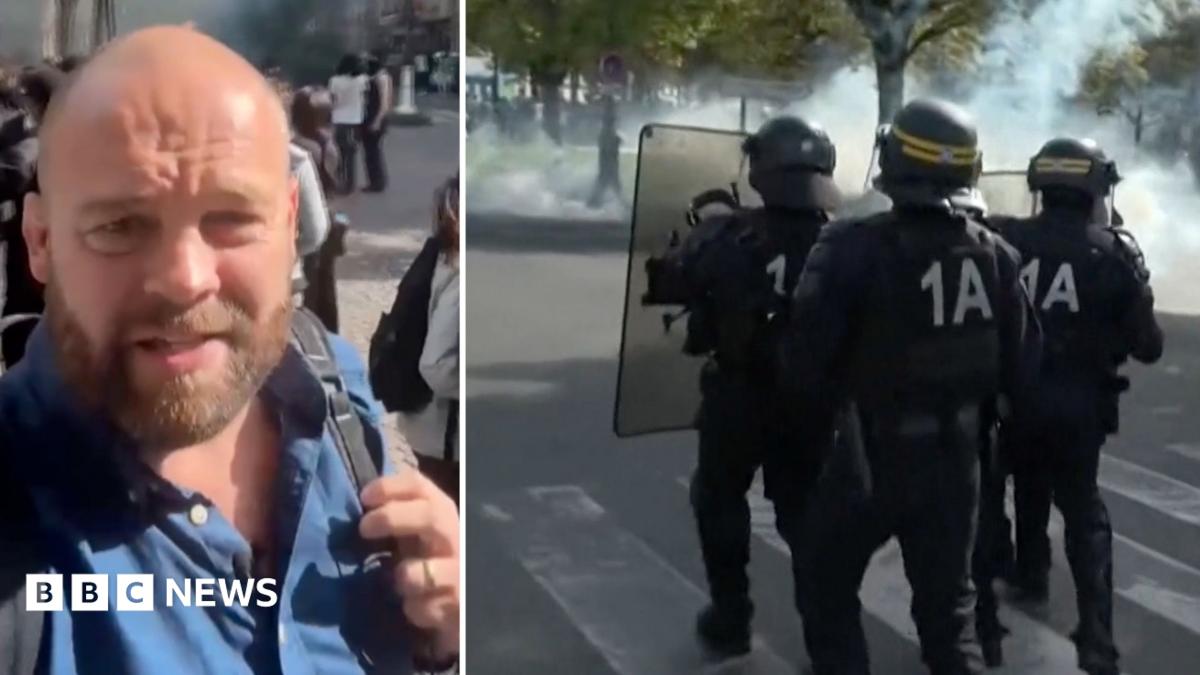
What began as localized student demonstrations in the heart of the French capital has rapidly transformed into a nationwide movement, paralyzing university campuses and spilling onto major metropolitan streets. The protests, catalyzed by mounting grievances over educational funding, living costs, and contentious government reform packages, quickly gained momentum as labor unions and youth organizations coalesced around a unified anti-establishment platform. In the days following the initial outbreak in Paris, coordinated walkouts and blockade tactics were replicated in Marseille, Lyon, Toulouse, and Nantes.
State authorities have deployed substantial security apparatuses to manage escalating tensions, resulting in intermittent clashes, transport halts, and localized property damage. For the administration of President Emmanuel Macron, the unrest represents a severe political test. The convergence of student activism with broader labor discontent threatens to paralyze the legislative agenda, echoing historical precedents where French street mobilizations successfully forced sweeping executive concessions. As state actors evaluate containment strategies, the political landscape remains intensely polarized, raising questions about governance efficacy and social cohesion within the heart of Western Europe.
[Global Trade](/news/canada-labor-overhaul-trade-supply-chain-concerns) & Economic Ripples
While ostensibly rooted in domestic socio-educational policy, the sustained unrest carries significant implications for regional commerce and international supply chains. France functions as a critical logistical hub and commercial corridor within the European Union. Road blockades, strikes by transport workers, and disruptions at key railway junctions have begun to bottleneck internal freight distribution, delaying the movement of manufactured goods, agricultural produce, and retail inventory across borders.
Furthermore, the domestic uncertainty has injected volatility into European capital markets. Investor sentiment regarding French sovereign debt and domestic equities has faced downward pressure, reflecting broader anxieties over fiscal stability and structural reform implementation. Energy consumption patterns have also experienced localized fluctuations as public transport reductions alter urban fuel demand and mobility metrics. International traders with exposure to eurozone assets are actively hedging against extended supply chain friction and potential retaliatory labor actions that could further depress fourth-quarter commercial output.
Related Intelligence: South Africa Famine of Safety Threatens Economic Stability and Foreign Investment
International Reactions & Diplomatic Stances
Global observers and multilateral financial institutions are monitoring the French developments with mounting vigilance. The European Commission has issued cautious statements emphasizing the importance of maintaining fundamental freedoms while safeguarding economic continuity within the single market. Neighboring European capitals are quietly assessing the potential spillover effects of prolonged French instability on broader eurozone macroeconomic indicators.
Market analysts from leading financial houses note that prolonged social unrest in a core eurozone economy complicates the European Central Bank's monetary policy trajectory, as persistent domestic supply bottlenecks could exacerbate inflationary pressures. International trade partners, meanwhile, have advised logistics firms to reroute time-sensitive shipments to bypass affected French transit nodes, mitigating potential financial losses stemming from terminal closures and delivery delays.
Strategic Outlook & Future Scenarios
Looking ahead, the trajectory of the French protests will depend heavily on the executive branch's willingness to engage in substantive dialogue versus maintaining a hardline enforcement posture. Upcoming national labor summits and legislative debates will serve as critical barometers for potential de-escalation or further radicalization of the movement.
Should the government fail to negotiate an acceptable compromise, strategists warn of potential escalation points, including indefinite general strikes that could severely impair national infrastructure and disrupt European cross-border commerce ahead of the winter season. Conversely, a negotiated settlement could restore commercial predictability, though underlying fiscal tensions and structural grievances would likely persist, leaving the door open for future rounds of geopolitical and economic contestation.
Join Our Official WhatsApp Channel
Receive live commodity alerts, policy changes, and commercial intelligence directly on WhatsApp.