
Gaza Backlash Hits Global Entertainment as Artists Split Over Boycott Pressure
Growing geopolitical polarization over the Gaza conflict has disrupted international live entertainment, as artist walkouts and boycott pressures expose the commercial vulnerabilities of multi-million-dollar global tours.
Geopolitical & Core Developments
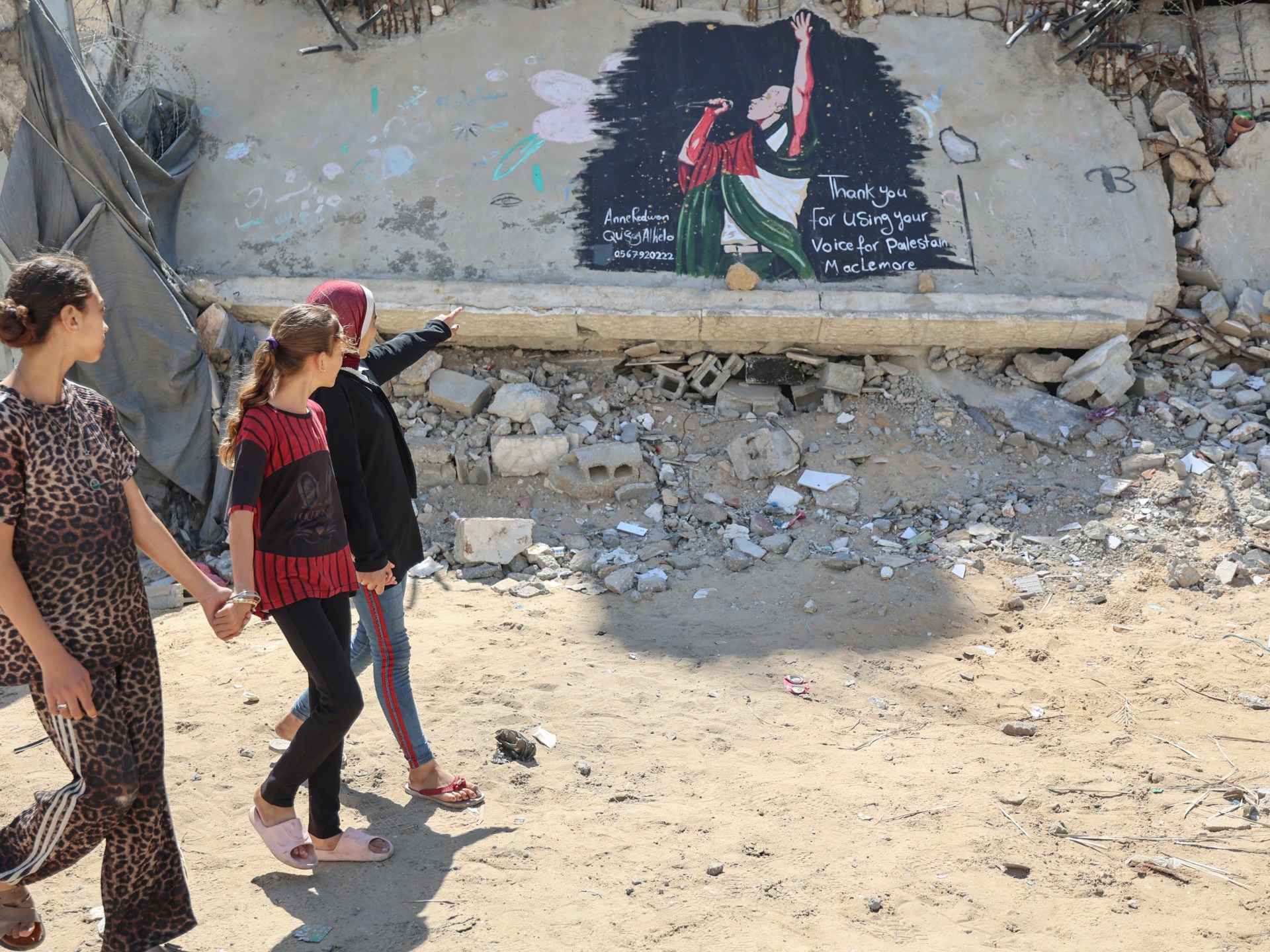
The global live entertainment sector has increasingly become an ideological battleground as the ongoing military conflict in Gaza reverberates through international cultural and commercial circuits. British singer-songwriter Ed Sheeran faced unprecedented operational friction following reports that key backing musicians withdrew from his scheduled performances. The disquiet emerged after American hip-hop artist Macklemore was reportedly excluded from high-profile tour appearances and festival lineups following his public advocacy for Palestine and sharp criticism of international military actions in Gaza. Sheeran's potential move to proceed as a solo act highlights how geopolitical fissures are fracturing collaborative touring models. This incident marks a significant escalation in cultural friction, where artistic expressions and political alignments are directly colliding with corporate entertainment governance. As casualty counts rise and diplomatic deadlocks persist at the United Nations, performers, promoters, and venue operators are finding it impossible to insulate global commercial tours from the geopolitical polarization dominating international relations.
Global Trade & Economic Ripples
While live music is conventionally analyzed through the lens of cultural diplomacy, international touring represents an asset-intensive global industry generating tens of billions of dollars annually in logistics, hospitality, cross-border ticketing, and brand sponsorship. Disruptions of this nature trigger complex contractual re-evaluations, raising liability concerns under force majeure, artist indemnity, and performance guarantee agreements. Promoters and event organizers face heightened insurance premiums as geopolitical sensitivities increase the risk of walkouts, venue cancellations, and consumer-led boycotts. Furthermore, multinational corporate sponsors—often sensitive to consumer sentiment in both Western markets and emerging economies—face brand equity risks. The economic footprint extends directly into local economies: venue hosting fees, freight and staging logistics, and international travel corridors are immediately vulnerable when scheduled spectacles suffer reputational boycotts. In severe cases, ticket refunds and reduced secondary market liquidity threaten cash-flow projections for international entertainment conglomerates and private equity backers managing live-event portfolios.
Related Intelligence: Madrid Derby Highlights High-Stakes Geopolitics and Global Sports Economy
International Reactions & Diplomatic Stances
The friction has amplified debates among civil society organizations, cultural advocacy groups, and market stakeholders regarding the limits of free expression during active international hostilities. Pro-Palestinian advocacy coalitions, including elements of the Boycott, Divestment, Sanctions (BDS) movement, have applauded musicians who refuse to perform in venues or alongside organizations that penalize pro-Palestinian speech. Conversely, festival organizers and venue management groups argue that preserving neutral, commercial spaces is critical to maintaining operational safety, satisfying corporate underwriters, and fulfilling municipal permit requirements. Legal analysts emphasize that corporate governance across Europe and North America is grappling with escalating tensions between environmental, social, and governance (ESG) human rights commitments and commercial risk mitigation. Neither multilateral bodies nor national governments have intervened directly, but municipal authorities hosting major cultural events increasingly express concern regarding public demonstrations and potential security expenditures surrounding high-visibility gatherings.
Strategic Outlook & Future Scenarios
The fallout from the Sheeran tour controversy reflects a broader, systemic trend toward polarization within international cultural trade. In the medium term, promoters and global booking agencies are expected to introduce stricter contractual stipulations, including tighter political conduct clauses and enhanced force majeure definitions, to hedge against spontaneous personnel walkouts. Concurrently, artists and creative workers may increasingly demand reciprocal contractual protections to guarantee freedom of speech without commercial sanction. Looking ahead, global tours traversing diverse regulatory and cultural jurisdictions—spanning North America, Europe, the Middle East, and Asia-Pacific—will face fragmented geopolitical environments. If regional conflicts continue to inflame international public opinion, multinational entertainment firms will find their conventional neutrality strategies untenable, forcing organizers to absorb rising compliance costs, security overheads, and consumer volatility.
Join Our Official WhatsApp Channel
Receive live commodity alerts, policy changes, and commercial intelligence directly on WhatsApp.