
G7 Demands Iran Halt Houthi Support Amid Energy Security Threats
The G7 has issued a stern ultimatum demanding Iran halt its military backing of Houthi forces in Yemen, warning that escalating regional attacks severely jeopardize global energy security and international shipping lanes.
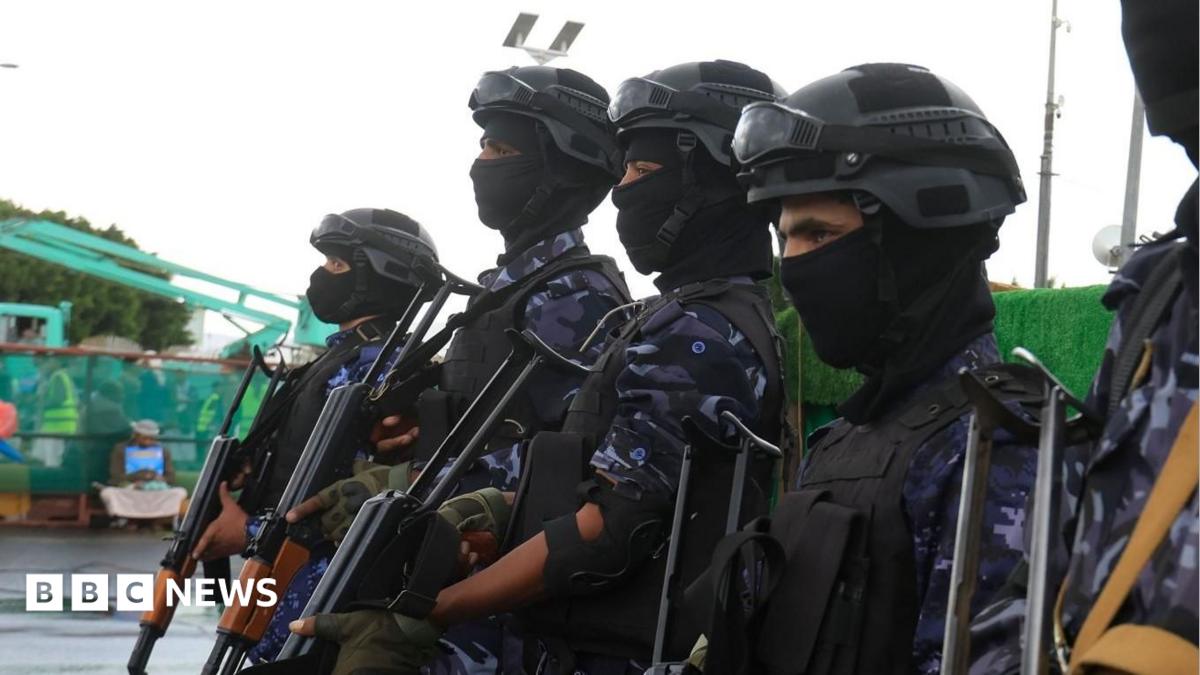
Geopolitical & Core Developments
In a coordinated diplomatic maneuver ahead of the high-level United Nations General Assembly sessions, foreign ministers from the Group of Seven industrialized nations have issued an unequivocal condemnation of Iran's ongoing military entanglement in Yemen. The joint communiqué specifically targets Tehran's covert supply chains, which continue to equip Houthi insurgents with advanced weaponry, ballistic missile components, and unmanned aerial vehicles. Diplomatic sources indicate that Western capitals are growing increasingly alarmed by the persistent cross-border strikes targeting strategic infrastructure within Saudi Arabia. This assertive stance marks a significant hardening of Western rhetoric, signaling to regional actors that destabilizing actions on the Arabian Peninsula will directly impede normalization and diplomatic engagement on the broader international stage.
The strategic stakes in Yemen have long transcended a localized civil conflict, evolving instead into a central theater of proxy competition and a direct hazard to international stability. By enabling continuous tactical escalation by the Houthi movement, external state patrons have cultivated a persistent security vacuum along the Bab el-Mandeb strait—a vital maritime chokepoint through which millions of barrels of crude oil and liquefied natural gas transit daily toward European and Asian consumer markets.
Global Trade & Economic Ripples
For global commodity markets and international shipping conglomerates, the intensifying conflict in Yemen represents an acute, systemic risk. The G7's focus on energy security is underscored by the vulnerability of critical processing facilities and export terminals in Saudi Arabia and the broader Persian Gulf. Any disruption to these facilities risks triggering immediate supply shocks across global oil benchmarks, echoing historical precedents where regional friction generated rapid, inflationary spikes in petroleum futures.
Furthermore, the sustained threat of maritime incursions has forced commercial vessel operators to factor in higher risk premiums, adopt protracted routing alternatives, or incur exorbitant war-risk insurance tariffs. These friction points reverberate directly through global supply chains, compounding existing macroeconomic pressures such as elevated freight rates and currency volatility in emerging market economies heavily reliant on imported energy supplies.
Related Intelligence: Pakistan and Saudi Arabia Sign Landmark Visa Abolition Accord
International Reactions & Diplomatic Stances
Multilateral bodies and financial institutions have echoed the G7's assessments, emphasizing that sustained geopolitical turbulence in the Middle East complicates ongoing central bank efforts to anchor global inflation expectations. Representatives within the United Nations system have reiterated calls for an inclusive, comprehensive political settlement under international mediation, warning that unilateral military escalations only deepen humanitarian suffering inside Yemen while undermining regional commerce.
Market analysts and geopolitical risk consultancies note that while direct diplomatic channels between regional rivals have seen tentative normalization efforts in recent months, the foundational security architecture remains fragile. The G7 intervention serves as a stark reminder that Western powers remain prepared to leverage economic and diplomatic isolation should proxy activities continue to imperil global trade flows.
Strategic Outlook & Future Scenarios
As diplomats converge on New York for the upcoming United Nations General Assembly, the intersection of Middle Eastern security and global energy architecture will occupy a central position on bilateral agendas. Observers anticipate that further multilateral sanctions targeting illicit procurement networks could be deployed if Tehran fails to demonstrate verifiable compliance with arms embargoes.
In the medium term, the trajectory of regional commodity prices and shipping stability will hinge on whether diplomatic pressure can successfully disincentivize cross-border militant operations. Failure to de-escalate risks institutionalizing a permanent risk premium across global energy markets, altering trade corridors and investment flows for the foreseeable future.
Join Our Official WhatsApp Channel
Receive live commodity alerts, policy changes, and commercial intelligence directly on WhatsApp.