
China Accelerates Rural AI Infrastructure Expansion in Inner Mongolia
Inner Mongolia is transforming into a massive data center hub, driving China's rapid AI infrastructure development and reshaping global technology supply chains.
Geopolitical & Core Developments
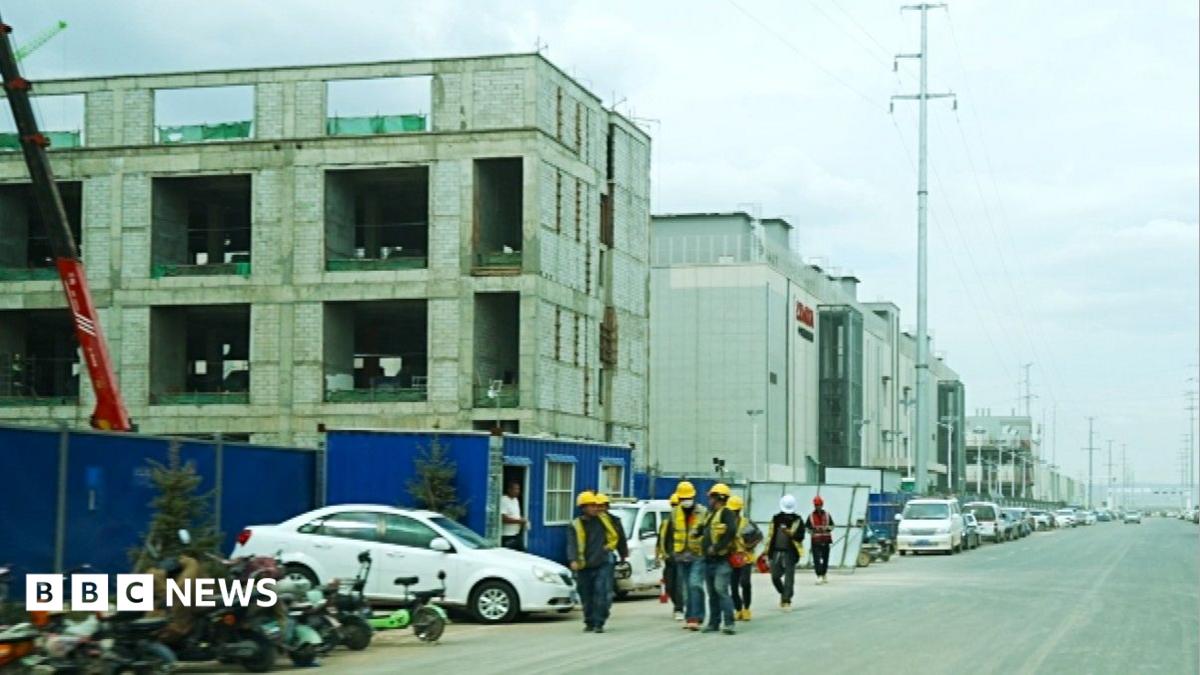
Across the windswept expanses of Inner Mongolia, a radical transformation is reshaping the horizon. Where traditional pastoral landscapes once dominated, a vast new skyline of massive data centres is rising at what local workers describe as "China speed." This rapid infrastructural expansion is the physical manifestation of Beijing's ambitious national strategy to position the country as the undisputed global leader in artificial intelligence and advanced computing by the end of the decade. Driven by centralized state planning, massive capital allocation, and streamlined bureaucratic approvals, regional governments in northern China are converting vast tracts of inexpensive land into digital powerhouse clusters. These facilities are designed to house millions of high-performance servers capable of training complex large language models and processing unprecedented volumes of enterprise and governmental data.
The strategic rationale behind locating these energy-intensive complexes in remote rural provinces rather than congested coastal megacities involves a calculated balancing act. Beijing is securing its technological sovereignty amidst intensifying geopolitical friction with Western nations, particularly the United States, which has implemented stringent export controls on advanced semiconductors. By developing indigenous infrastructure at scale, the Chinese state aims to insulate its domestic technology ecosystem from future supply chain disruptions while simultaneously projecting industrial might. The timeline of this rollout underscores a relentless urgency, with construction phases completing in fractions of the time required for comparable Western projects, signaling to the international community that Beijing views technological dominance as an existential priority.
[Global Trade](/news/hidden-costs-regional-conflict-global-trade-security) & Economic Ripples
The explosive growth of data centre infrastructure in rural China exerts immediate and far-reaching pressures on global commodity markets, particularly regarding energy demand and critical mineral supply chains. These massive digital facilities require staggering amounts of continuous electricity to power server racks and advanced cooling systems. Consequently, Inner Mongolia's energy grid, historically reliant on abundant domestic coal reserves alongside rapidly expanding wind and solar capacity, is experiencing unprecedented load demands. This domestic absorption of energy resources influences broader commodity pricing dynamics, potentially constraining exportable thermal capacity and shifting regional trade balances for liquefied natural gas and electrical generation equipment.
Furthermore, the insatiable demand for specialized server components, semiconductors, fiber-optic cabling, and high-capacity cooling systems reverberates across international supply chains. Even as domestic semiconductor manufacturing receives massive state subsidies to circumvent foreign sanctions, global markets for raw materials such as copper, rare earth elements, and polysilicon face heightened price volatility. Shipping lanes and logistics networks within Asia are adapting to move unprecedented volumes of heavy electrical hardware northward. As Chinese firms scale up their hardware procurement, international commodity traders are closely monitoring how this domestic infrastructure boom alters global pricing benchmarks for industrial metals and energy futures.
Related Intelligence: Category 5 Hurricane Polo Threatens Mexican Coast and Energy Supply Chains
International Reactions & Diplomatic Stances
Global market analysts, multilateral organizations, and foreign governments are closely monitoring the accelerated buildout in Inner Mongolia with a mixture of technological admiration and strategic apprehension. Western intelligence agencies and trade bodies view the rapid deployment of state-backed artificial intelligence infrastructure as a direct challenge to technological hegemony currently held by the United States and its allies. Analysts at international financial institutions note that while Beijing's approach bypasses the lengthy regulatory hurdles typical of democratic nations, it also exposes systemic vulnerabilities related to overcapacity, capital allocation inefficiencies, and environmental sustainability.
Diplomatic responses in Washington, Brussels, and Tokyo have increasingly focused on tightening export controls and securing allied supply chains for critical minerals and advanced chips to counterbalance China's infrastructural momentum. Meanwhile, representatives from emerging economies observe Beijing's model as a potent blueprint for state-led digital modernization, raising discussions regarding future technological alignments across the Global South. International bodies like the International Energy Agency have also begun incorporating the massive power draws of these rural Chinese data hubs into their global carbon emission and energy forecast models, highlighting the environmental stakes of the global artificial intelligence race.
Strategic Outlook & Future Scenarios
Looking ahead, the trajectory of Inner Mongolia's data centre boom will likely serve as a bellwether for the broader global AI landscape. Over the coming years, upcoming international tech summits and trade negotiations will increasingly center on standards for digital infrastructure, data security, and energy consumption thresholds. As these facilities become fully operational, the critical test for Beijing will be maintaining adequate cooling and power stability during extreme seasonal weather fluctuations without destabilizing the regional power grid.
Geopolitically, this infrastructural push heightens the risk of further technological decoupling. If Western sanctions and export restrictions tighten in response to China's accelerated hardware deployment, Beijing may double down on indigenous technological self-reliance, accelerating research into quantum computing and domestic silicon alternatives. Conversely, a sustained economic slowdown could test the financial viability of these capital-intensive rural projects. Ultimately, the new data skyline rising across northern China signals a permanent structural shift in the global distribution of digital power, irrevocably altering the international strategic balance for decades to come.
Join Our Official WhatsApp Channel
Receive live commodity alerts, policy changes, and commercial intelligence directly on WhatsApp.