
Democratic Unrest in India Threatens South Asian Stability and Commercial Outlook
Mass protests across India have exposed severe cracks in the nation's democratic institutions, raising profound concerns for international trade partners and global financial markets.
Geopolitical & Core Developments
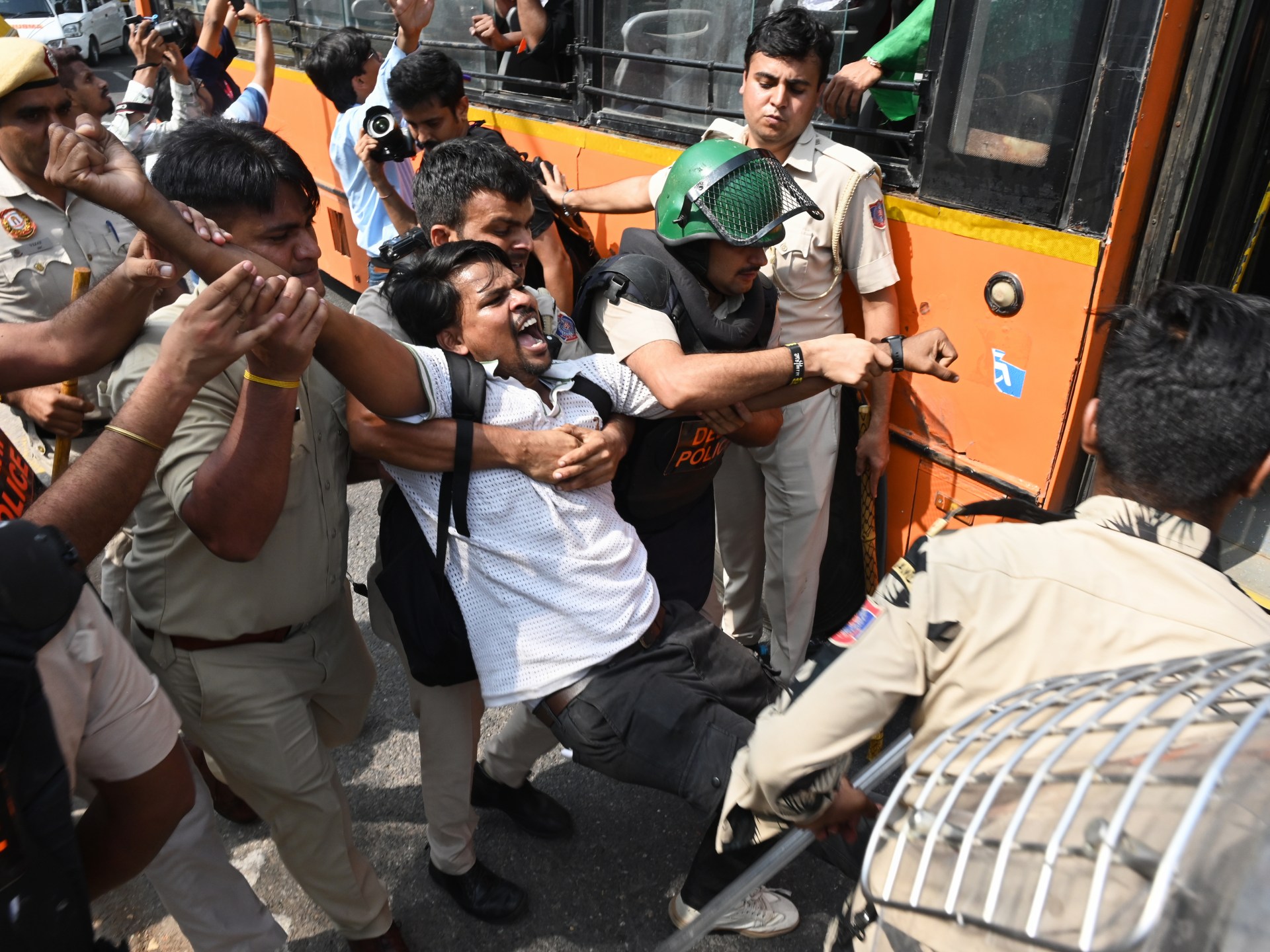
The sweeping protests that have erupted across India in response to contentious citizenship legislation and governance pressures have fundamentally altered the nation's domestic political landscape. Prime Minister Narendra Modi, long viewed as an untouchable electoral juggernaut, now confronts a galvanized opposition and widespread civil disobedience. These demonstrations, organized under the banner of defending constitutional integrity and democratic norms, have exposed structural vulnerabilities in India's governance model. State authorities have responded with heavy-handed policing measures, internet shutdowns, and mass detentions, drawing sharp international scrutiny. For strategic analysts, the erosion of institutional checks and balances not only compromises domestic stability but also undermines India's credibility as a reliable anchor of democratic values in the Indo-Pacific region, complicating its partnership with Western democracies aiming to counter authoritarian influence in Asia.
Global Trade & Economic Ripples
Beyond the immediate political fallout, the prolonged civil unrest poses tangible risks to global supply chains, international trade corridors, and foreign direct investment. India is a critical node in global manufacturing diversification strategies, particularly for technology, textiles, and pharmaceutical goods. Persistent strikes, transportation bottlenecks, and labor unrest threaten to derail manufacturing output and delay export schedules. Furthermore, energy markets are closely watching developments, as any escalation in domestic turmoil could impact India's massive petroleum consumption and refining operations. Foreign institutional investors are beginning to reassess their risk exposure in Indian equities and sovereign debt instruments, triggering subtle downward pressures on the rupee and heightening market volatility across South Asian bourses.
Related Intelligence: New Delhi Crackdown Sparks Regional Stability and Trade Concerns
International Reactions & Diplomatic Stances
International capitals and multilateral organizations have expressed growing alarm over the deteriorating human rights situation and the suppression of peaceful dissent. Human rights bodies and diplomatic missions have issued cautious statements urging restraint and respect for freedom of expression and assembly. While major Western powers remain reluctant to directly penalize New Delhi due to its pivotal role in regional security architectures and counter-balancing strategies against China, policymakers are increasingly uncomfortable with the authoritarian drift. Economic analysts note that prolonged instability could complicate ongoing bilateral trade negotiations with the European Union, the United Kingdom, and the United States, where labor and environmental standards remain central legislative priorities.
Strategic Outlook & Future Scenarios
Looking ahead, the trajectory of India's political crisis will heavily influence regional stability and commercial confidence through the upcoming fiscal quarters. If the administration adopts a more conciliatory approach and engages in meaningful dialogue with civil society, market confidence may gradually recover. However, a hardening of state positions and continued suppression could lead to deeper polarization, increased capital flight, and long-term reputational damage to India's investment climate. Multinational corporations operating within the subcontinent are actively reviewing their contingency plans, diversifying operational risks, and hedging against potential regulatory shifts as India navigates its most severe political test in decades.
Join Our Official WhatsApp Channel
Receive live commodity alerts, policy changes, and commercial intelligence directly on WhatsApp.