
Russia Denies Plague Restrictions Following Fatal Laboratory Incident
Moscow denies enacting anti-plague measures following a researcher's death, prompting international demands for transparency and close monitoring by the World Health Organization.
Geopolitical & Core Developments
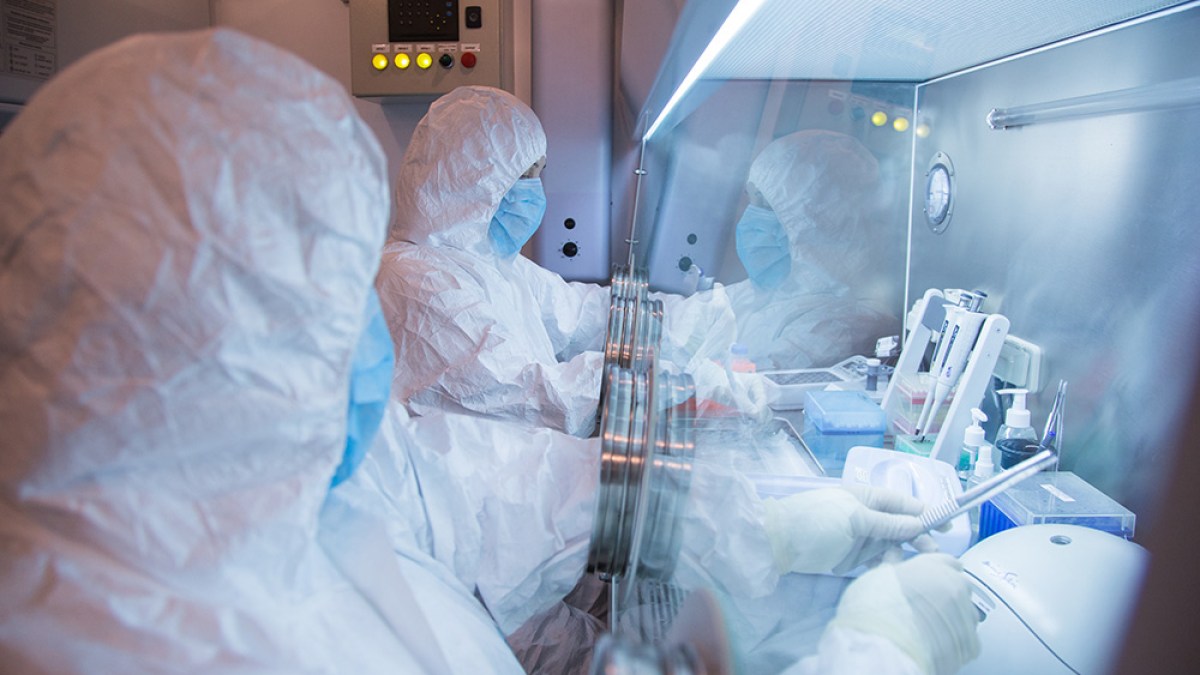
Russian federal authorities have formally denied the implementation of sweeping emergency anti-plague measures following the tragic death of a laboratory technician in a high-security research facility. The incident, which immediately triggered international apprehension regarding biological containment and state transparency, has brought renewed scrutiny to Moscow's handling of hazardous pathogen facilities. According to official statements from Russian health regulators, the technician's death was contained within a controlled scientific environment, and no community transmission or outbreak has occurred. However, the lack of immediate public disclosures surrounding the exact circumstances of the accident has fueled skepticism among foreign intelligence and public health agencies.
The timeline of events remains contested by independent observers, who point to a delayed acknowledgment of the incident by state media. State actors have increasingly weaponized information surrounding biological security, making verification exceptionally difficult. Strategic stakes are exceptionally high, as any hint of a containment breach in a major nuclear and biological research power revives deep-seated Cold War anxieties over biological safety protocols and adherence to international conventions governing dangerous pathogens.
Global Trade & Economic Ripples
While public health concerns remain primary, international commodity markets and global supply chain networks are closely evaluating the secondary economic ramifications of potential containment protocols. Shipping lanes originating from key Russian transport hubs and logistical corridors face potential scrutiny if international bodies or importing nations demand enhanced screening for vessels and cargo originating from regions associated with high-consequence pathogen research. Although major energy markets and agricultural commodity exchanges have not yet priced in direct supply disruptions, any escalation in biosecurity controls or quarantine measures could introduce friction into trans-Eurasian trade corridors.
Furthermore, currency markets and investor sentiment in emerging markets remain sensitive to unexpected geopolitical shocks. A prolonged diplomatic standoff over information sharing could lead to tightened sanctions or targeted trade restrictions, impacting logistics insurance rates and maritime freight costs. Kalyar Traders World Desk analysts note that while immediate physical trade flows remain stable, supply chain managers are already stress-testing alternative logistics routes to hedge against potential regional lockdowns or sudden regulatory interventions.
Related Intelligence: Yemeni Offensive Fails to Shift Strategic Balance Amid Global Supply Chain Risks
International Reactions & Diplomatic Stances
The international community has responded with a mixture of cautious diplomacy and firm demands for accountability. The United States Department of State publicly demanded absolute transparency from Moscow, emphasizing the necessity of immediate data sharing with multilateral health organizations to prevent unwarranted panic and ensure global biosecurity. Meanwhile, the World Health Organization (WHO) confirmed it is closely monitoring the situation through its established global alert and response networks, though it noted that no formal emergency declaration or travel advisory has been issued at this stage.
European Union officials have echoed Washington's sentiments, calling for independent verification of Russia's containment claims. Multilateral bodies stress that transparency is paramount in maintaining international trust, particularly regarding infectious disease surveillance. Market analysts warn that if Moscow continues to stonewall international inquiries, diplomatic retaliations could spill over into broader trade negotiations and multilateral forums, further isolating Russian commercial entities from Western financial systems.
Strategic Outlook & Future Scenarios
Looking ahead, the trajectory of this diplomatic and public health episode will depend heavily on whether Moscow permits independent international inspectors or WHO experts to review the laboratory's containment logs and autopsy reports. In the absence of verifiable data, geopolitical escalation points are likely to multiply, with Western nations potentially introducing new bureaucratic hurdles for dual-use research cooperation and tightening export controls on laboratory equipment.
Upcoming diplomatic summits and ministerial meetings will undoubtedly feature closed-door discussions on enhancing global biological safety frameworks. For global commodity traders and supply chain operators, the incident serves as a stark reminder of the fragile intersection between geopolitical trust, public health security, and international commerce. Kalyar Traders World Desk will continue to monitor regulatory shifts, freight insurance adjustments, and official WHO updates as the situation develops.
Join Our Official WhatsApp Channel
Receive live commodity alerts, policy changes, and commercial intelligence directly on WhatsApp.