
French Political Crisis Deepens Amid Widespread Riots Over Living Costs
France faces severe political instability as nationwide demonstrations against living costs turn violent, triggering sovereign debt concerns and European supply chain disruption.
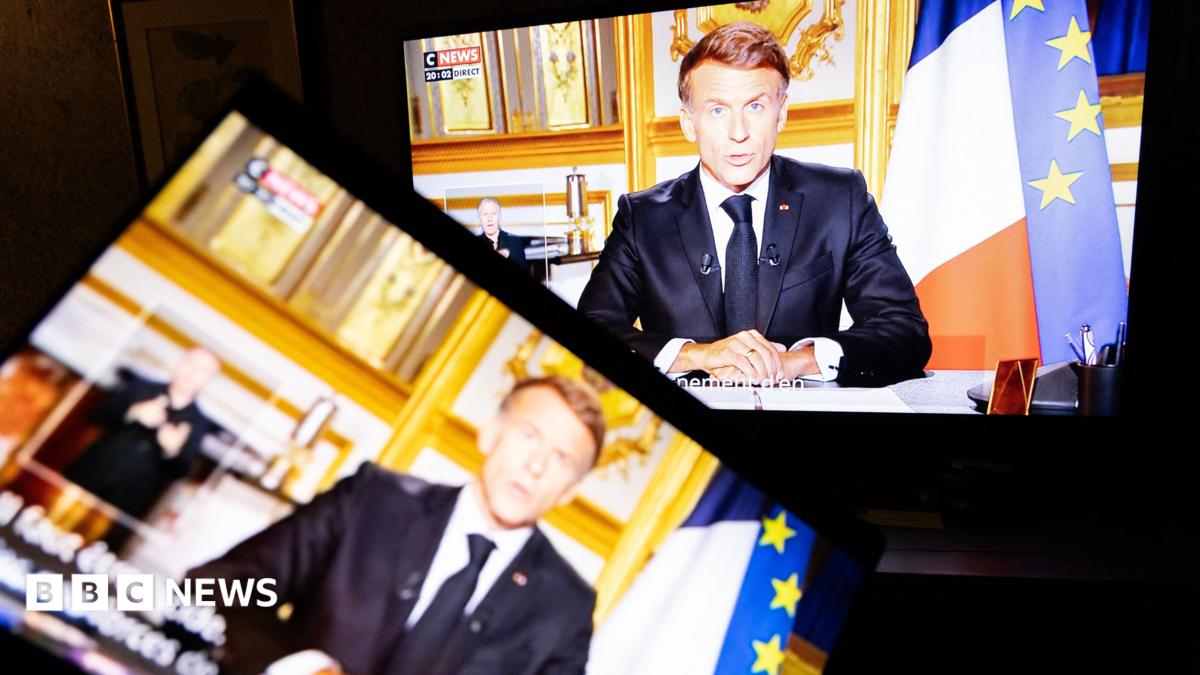
Geopolitical & Core Developments
A weekend of widespread urban unrest and violent clashes has placed the French government under intense political strain, exposing deep structural fractures within the European Union's second-largest economy. Demonstrations initially organized to protest soaring living costs, stagnant wages, and underfunded public services deteriorated into coordinated rioting across Paris, Lyon, Marseille, and Nantes. The confrontations between radical demonstrators and heavy security deployments mark a dangerous escalation in domestic volatility, directly threatening the legislative agenda of President Emmanuel Macron.
The unrest follows months of simmering public resentment over systemic inflation, high food and utility prices, and recent contested fiscal reforms. Hardline labor syndicates and grassroots movements have coalesced, demanding emergency price controls, tax rollbacks on basic staples, and higher corporate windfall levies. With parliamentary opposition forces on both the left and right threatening votes of no confidence, Prime Minister Michel Barnier's cabinet faces a precarious survival battle. The inability of the executive branch to quell street anger without resorting to broad emergency security measures has eroded public confidence and raised questions across European capitals regarding France's domestic stability and geopolitical leadership.
Global Trade & Economic Ripples
The immediate economic fallout of the French turmoil extends beyond municipal property destruction into regional and global trade networks. Demonstrators and affiliated transport workers have enacted targeted blockades around fuel depots, intermodal logistics hubs, and primary transport arteries connecting France to northern and southern Europe. Disruptions at major maritime gateways, including the Port of Marseille-Fos and Le Havre, risk delaying container throughput, posing immediate bottlenecks for automotive, chemicals, and agricultural transshipments.
Financial markets have responded with visible unease. The spread between 10-year French government bonds (OATs) and the benchmark German 10-year Bund widened sharply as sovereign debt traders priced in heightened fiscal uncertainty and the diminished prospect of budgetary consolidation. Concurrently, French equities, particularly retail, banking, and commercial real estate assets listed on the CAC 40 index, suffered notable sell-offs. Persisting localized transport disruptions also threaten to lift domestic refined petroleum product prices, placing upward pressure on regional freight rates during an already fragile European industrial recovery.
Related Intelligence: Mumbai Security Incident Sparks Broader Scrutiny Over Indian Sovereign Risk Sentiment
International Reactions & Diplomatic Stances
International response to the unrest reflects concern over European macroeconomic stability. European Commission officials in Brussels have maintained a cautious diplomatic stance, expressing confidence in French democratic institutions while privately monitoring the potential for fiscal deficit slippages that could breach European stability mechanisms. Several neighboring European capitals, including Berlin and Rome, have raised concerns regarding cross-border rail and road freight fluidity.
Credit rating agencies and sovereign risk analysts have issued warnings that prolonged civil unrest could jeopardize France's sovereign credit trajectory, particularly if the executive is forced to abandon expenditure cuts to appease public discontent. Meanwhile, foreign foreign ministries, including the United States Department of State and the United Kingdom Foreign Office, updated travel advisories for citizens visiting major French urban centers, urging vigilance and warning of transit disruptions.
Strategic Outlook & Future Scenarios
In the near term, the French administration faces three critical junctures: upcoming parliamentary fiscal debates, scheduled nationwide multi-sector union strikes, and the persistent threat of a unified opposition toppling the government. If the administration leans on constitutional executive decrees to bypass legislative gridlock, it risks exacerbating street radicalization and extending wildcat labor strikes into critical energy and transport infrastructure.
Conversely, broad fiscal capitulation via emergency subsidies or wage concessions would undermine France's credibility under EU fiscal monitoring rules and likely prompt further rating downgrades. Over the coming weeks, the capacity of security forces to contain localized flashpoints, combined with the government's willingness to engage in structured tripartite negotiations with moderate trade unions, will dictate whether the crisis resolves or spirals into systemic, long-term political paralysis with enduring repercussions for the Eurozone economy.
Join Our Official WhatsApp Channel
Receive live commodity alerts, policy changes, and commercial intelligence directly on WhatsApp.