
France and Canada Forge Strategic Alliance Amid US Trade Friction
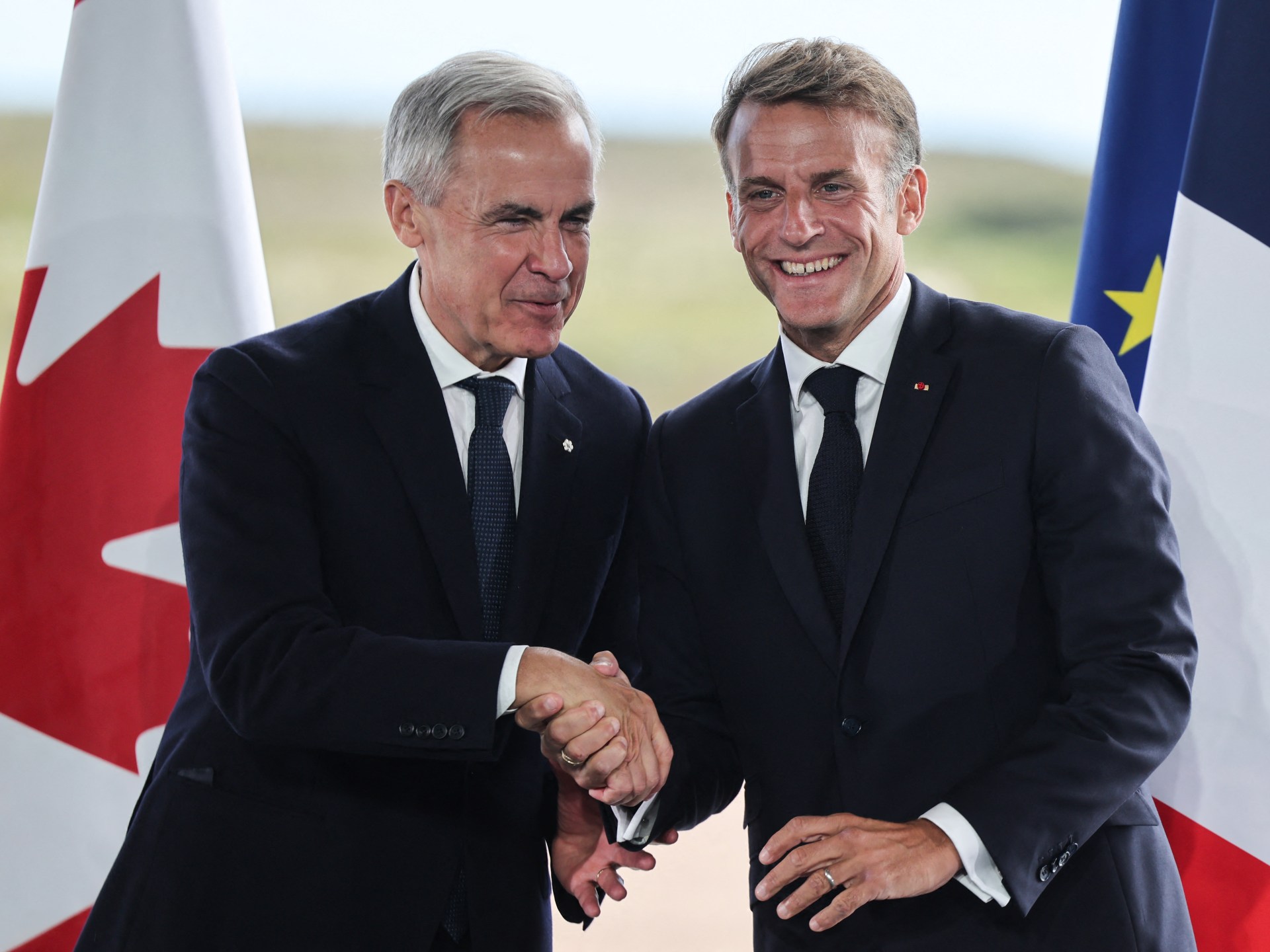
France and Canada have unveiled a major bilateral partnership to fortify economic and diplomatic ties as Ottawa accelerates diversification efforts away from the United States amid ongoing trade disputes.
Geopolitical & Core Developments
French President Emmanuel Macron and Canadian leadership, represented by prominent economic strategist and political figure Mark Carney, have formally announced a comprehensive blueprint to construct tighter diplomatic, industrial, and strategic relations. The high-level announcement materializes at a critical juncture in North American and transatlantic diplomacy, underscoring a calculated pivot by Ottawa to diversify its international partnerships. Facing persistent trade friction, tariff threats, and regulatory volatility emanating from Washington, Canadian policymakers have intensified engagement with core European Union member states to secure alternative commercial avenues.
The framework of the newly unveiled pact encompasses enhanced intelligence sharing, coordinated diplomatic positioning on multilateral forums, and synchronized regulatory standards designed to fast-track bilateral commerce. By anchoring its economic diplomacy more firmly in Paris, Ottawa is strategically positioning itself as a vital bridgehead for European industrial interests seeking seamless access to North American markets that bypass traditional US protectionist choke points. State actors in both capitals emphasized the necessity of a united front in upholding multilateral trade rules against rising unilateralism.
Global Trade & Economic Ripples
The deepening axis between Paris and Ottawa carries profound implications for global supply chains, critical mineral extraction, and transatlantic commodity flows. Canada, possessing vast reserves of lithium, nickel, cobalt, and rare earth elements essential for the global energy transition, is positioning itself as the primary strategic supplier for the European industrial base. This partnership directly impacts international commodity pricing by creating dedicated bilateral trade corridors insulated from shifting American tariff policies.
Furthermore, the realignment introduces vital adjustments to maritime shipping lanes and logistics networks between North America and Western Europe. By streamlining customs procedures and establishing joint venture financing for green technology initiatives, French and Canadian enterprises are actively restructuring industrial inputs. Global energy markets and industrial conglomerates are closely monitoring these developments, as the integration of French technological expertise with Canadian resource abundance threatens to reshape competitive dynamics in aerospace, agricultural commodities, and advanced manufacturing.
Related Intelligence: German Elections Test Chancellor Merz as Economic and Political Pressures Mount
International Reactions & Diplomatic Stances
Initial diplomatic responses to the Macron-Carney announcement have highlighted the shifting contours of Western alliances. Brussels expressed cautious optimism, viewing the partnership as a tangible manifestation of European strategic autonomy and a welcome reinforcement of transatlantic trade resilience. Officials within the European Commission noted that enhanced bilateral mechanisms between France and Canada could serve as a pilot framework for a broader, modernized comprehensive economic partnership between the European Union and North America.
Conversely, reactions from Washington have been characterized by private unease among trade officials monitoring the diversion of Canadian resource exports toward European markets. Market analysts and macroeconomic institutions have issued mixed advisories; while rating agencies praise the long-term risk mitigation for Canadian commodity exporters, short-term implementation hurdles regarding regulatory harmonization remain a significant concern for multinational corporations operating across both jurisdictions.
Strategic Outlook & Future Scenarios
As this bilateral framework transitions from diplomatic declaration to operational reality, several key geopolitical milestones and potential escalation points will dictate its success. Upcoming multilateral summits, including the G7 and specialized transatlantic energy security forums, will serve as primary venues for formalizing sector-specific subsidiary agreements. Analysts project that the coming quarters will witness intensified negotiations regarding reciprocal foreign direct investment screenings and joint industrial subsidies to compete with aggressive American domestic support packages.
Failure to smoothly integrate these regulatory regimes could lead to commercial friction, yet successful execution threatens to permanently alter traditional North American trade dependencies. Ultimately, the France-Canada alliance signals the dawn of a more fragmented yet resilient global trading architecture, where middle powers forge independent coalitions to navigate superpower economic competition.
Join Our Official WhatsApp Channel
Receive live commodity alerts, policy changes, and commercial intelligence directly on WhatsApp.