
Pakistan Warns India at UN Over Weaponisation of Shared Water Resources
Pakistan confronted India at the United Nations Human Rights Council, condemning the alleged weaponisation of shared water resources as an instrument of coercion against regional stability.
The Core Development
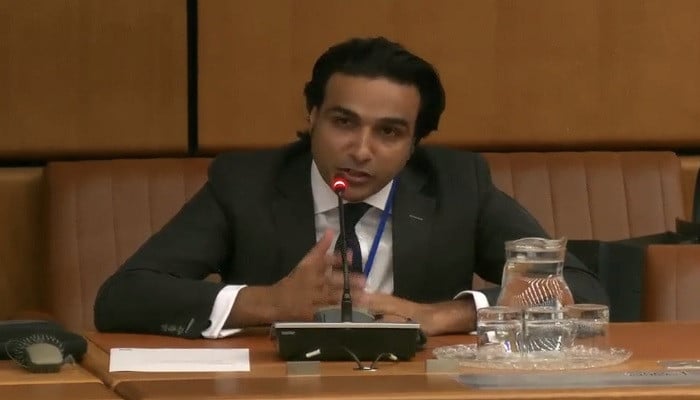
At a recent session of the United Nations Human Rights Council, Pakistan's diplomatic mission formally raised alarms regarding India's alleged weaponisation of shared water resources. Addressing the international body, a first secretary representing Pakistan stated that shared water systems entail shared responsibilities under international law and established bilateral agreements, notably the Indus Waters Treaty. Islamabad accused New Delhi of utilizing transboundary river flows as an instrument of political coercion, warning that such unilateral maneuvers threaten regional stability and violate fundamental humanitarian norms concerning resource access.
The diplomatic escalation follows a series of persistent tensions surrounding hydroelectric projects and upstream flow management along the Indus basin river systems. Pakistan maintains that any deliberate manipulation, withholding, or disruption of vital water supplies directly compromises downstream agricultural productivity, rural livelihoods, and basic human rights. The diplomatic engagement at the UN underscores Islamabad's strategy to internationalize what it terms hydro-aggression, seeking multilateral oversight to ensure compliance with historical water-sharing pacts.
Commercial & Economic Implications
The ongoing dispute over transboundary water management carries profound implications for Pakistan's domestic economy, particularly the agricultural and retail trade sectors. Agriculture remains the backbone of Pakistan's economy, accounting for a substantial share of employment and rural GDP. Any disruption to irrigation water supplies directly impairs crop yields for critical staples such as wheat, cotton, and rice.
Reduced agricultural output inevitably triggers domestic supply shocks, escalating wholesale food prices and compounding inflationary pressures for urban consumers. Retail markets and wholesale distributors face severe margin compressions as raw material costs surge. Furthermore, agro-based industries, including textile manufacturing and food processing, confront heightened supply chain vulnerabilities. The specter of water-induced inflation threatens broader monetary stability, complicating the central bank's efforts to anchor consumer price indexes and sustain purchasing power amidst broader macroeconomic headwinds.
Related Intelligence: French Nationwide Protests Disrupt Markets and Test State Authority
Stakeholder Perspectives & Market Reactions
Key domestic stakeholders, including major agricultural associations, trade bodies, and industrial federations, have expressed profound concern over India's upstream posturing. Representatives from leading farmer syndicates in Punjab and Sindh have urged federal authorities to pursue robust legal and diplomatic countermeasures through international arbitration tribunals.
Industry bodies emphasize that economic predictability depends heavily on secure resource corridors. Business leaders argue that hydro-coercion introduces an untenable risk premium into commercial planning, discouraging long-term capital expenditure in agricultural technology and supply chain infrastructure. Legal experts specializing in international water law suggest that Pakistan's robust articulation at the UN lays necessary groundwork for formal dispute resolution mechanisms, though enforcement remains contingent on sustained diplomatic pressure and international consensus.
Forward Outlook & Key Watchpoints
As diplomatic friction persists at multilateral forums, market participants and policy analysts are closely monitoring several critical indicators. Key watchpoints include potential formal proceedings under the Indus Waters Treaty, upcoming bilateral commissioner-level talks, and domestic adaptation strategies focused on water conservation and storage infrastructure.
For businesses and retail markets, the primary risk lies in seasonal water shortages exacerbating inflationary spikes during upcoming sowing seasons. Policymakers must balance urgent diplomatic initiatives with accelerated domestic water management reforms, ensuring long-term economic resilience against upstream vulnerabilities.
Join Our Official WhatsApp Channel
Receive live commodity alerts, policy changes, and commercial intelligence directly on WhatsApp.