
FIFA Sanctions Spain Following Islamophobic Chants in Egypt Friendly Match
FIFA has sanctioned the Royal Spanish Football Federation over Islamophobic incidents during a friendly against Egypt, highlighting persistent socio-political friction across the Mediterranean basin.
Geopolitical & Core Developments
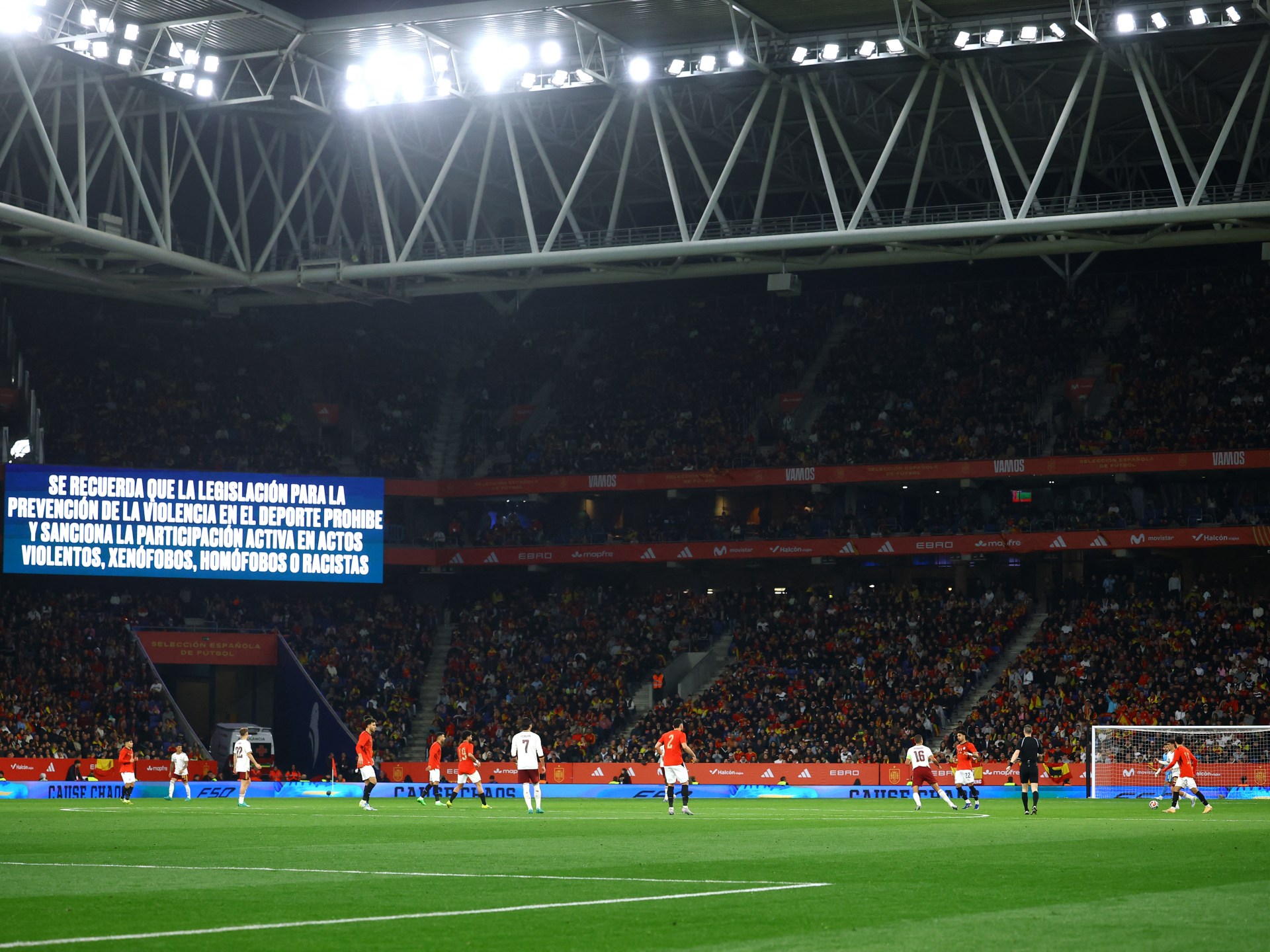
Global football governing body FIFA has formally imposed sanctions on the Royal Spanish Football Federation (RFEF) following discriminatory incidents documented during an international friendly fixture against Egypt. The match, hosted at RCD Espanyol's Stage Front Stadium in Cornella de Llobregat near Barcelona, was marred by targeted Islamophobic chanting from sections of the home crowd. Match delegates and anti-discrimination observers registered repeated hostile slogans directed toward the Egyptian national team and visiting supporters.
FIFA's Disciplinary Committee moved swiftly, issuing financial penalties alongside conditional stadium closures for upcoming international fixtures. The episode arrives at a sensitive juncture for Spanish football authorities, who have faced recurrent international criticism for failing to eradicate xenophobic behavior within domestic and international venues. The incident also touches upon broader regional dynamics between Southern Europe and North Africa, where sporting engagements frequently serve as diplomatic barometers for cross-Mediterranean state relations.
Global Trade & Economic Ripples
While sports regulatory measures rarely produce immediate volatility in commodity flows or sovereign debt markets, reputational liabilities can destabilize lucrative cross-border commercial partnerships. Spain and Egypt maintain vital commercial exchanges, particularly in agricultural exports, renewable energy infrastructure, and maritime logistics centered on the Suez Canal trade corridor. Spanish infrastructure conglomerates have steadily expanded investments in Egyptian urban development and liquefied natural gas (LNG) import channels.
Furthermore, the commercial stakes of international sports hosting are substantial. Spain is preparing to co-host the 2030 FIFA World Cup in a historic tri-continental consortium with Morocco and Portugal. Unaddressed xenophobia, particularly targeting Islamic and African nations, introduces friction into commercial sponsorships and bilateral investment agreements linked to the tournament's multi-billion-dollar infrastructure developments. Multinational corporate sponsors operating across the Middle East and North Africa (MENA) region face mounting pressure to condition commercial backing on strict anti-hate speech enforcement.
International Reactions & Diplomatic Stances
The Egyptian Football Association (EFA) submitted a formal complaint to FIFA and the Union of European Football Associations (UEFA), calling for decisive action to protect players and travelling fans from ethno-religious abuse. Egyptian state media and regional sports federations across the Arab world broadly condemned the chants, framing them as part of a troubling resurgence of Islamophobia across European sporting venues.
In Madrid, Spanish officials and sports administrators expressed regret, reiterating a zero-tolerance policy toward discriminatory behavior. However, civic rights groups and anti-racism watchdogs argued that previous regulatory leniency had failed to deter organized ultras and far-right elements. European human rights bodies have reiterated calls for national police forces and sports ministries to treat hate speech in stadiums as criminal offenses subject to judicial prosecution rather than internal administrative fines.
Strategic Outlook & Future Scenarios
The immediate trajectory points toward heightened monitoring of international sports events involving European and Middle Eastern or North African teams. FIFA is expected to tighten protocols regarding discriminatory crowd behavior, potentially introducing mandatory match suspensions and venue bans rather than purely fiscal levies.
Strategically, the political spotlight will remain centered on Madrid's domestic reforms ahead of the 2030 World Cup. Joint preparations between Spain and Morocco require sustained intergovernmental collaboration, where social cohesion and cross-cultural respect represent foundational political requirements. Failure to curb stadium hate speech risks fueling diplomatic grievances, complicating consular coordination, and prompting calls for independent regulatory oversight over international sporting operations in Europe.
Join Our Official WhatsApp Channel
Receive live commodity alerts, policy changes, and commercial intelligence directly on WhatsApp.