
Croatian Leadership Condemns Pro-Nazi Chants Surrounding European Football Fixture
Croatian officials have strongly condemned pro-fascist chants ahead of Hajduk Split's fixture against Ajax, highlighting broader regional socio-political friction and reputational challenges in Southeastern Europe.
Geopolitical & Core Developments
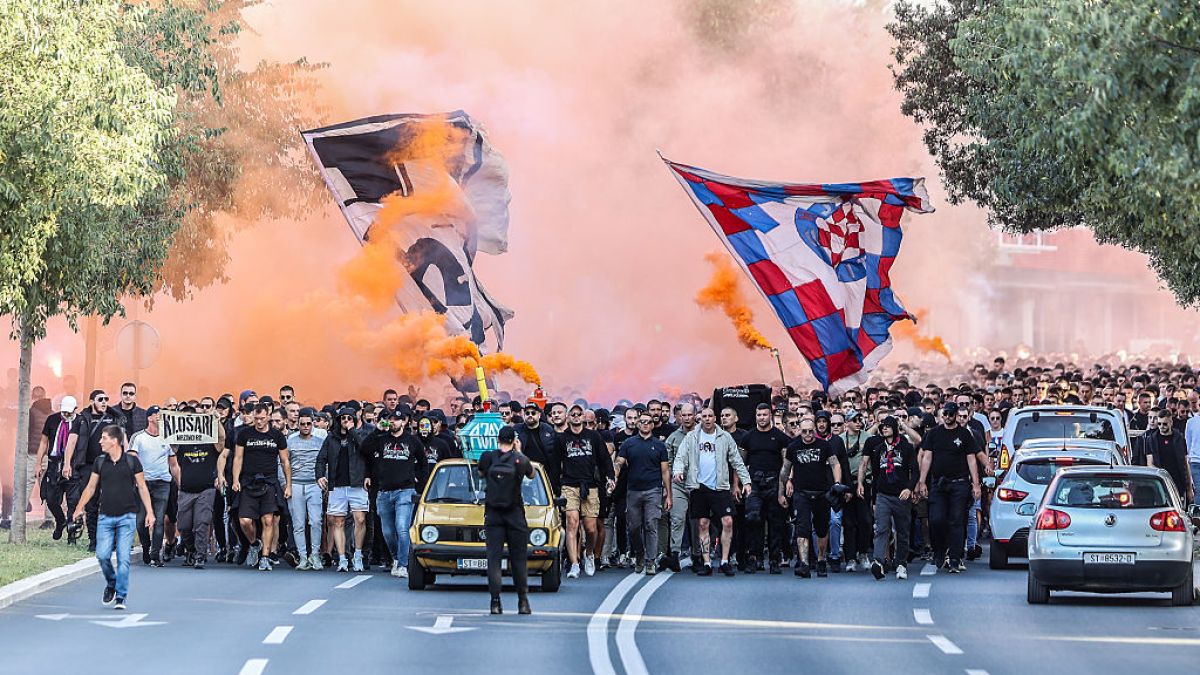
High-ranking political leaders in Zagreb have formally condemned far-right demonstrations after football supporters engaged in pro-Nazi and fascist chants ahead of a UEFA Europa League match between Croatia's Hajduk Split and the Netherlands' AFC Ajax. The incident, which unfolded in the coastal city of Split, saw extremist factions invoke slogans linked to the World War II-era Ustaše regime, a puppet state aligned with Nazi Germany responsible for widespread atrocities in the Balkans.
The swift intervention by Croatian authorities reflects heightened sensitivity regarding historical revisionism within European Union member states. Over recent years, Southeastern Europe has witnessed sporadic resurgences of ultranationalist rhetoric, often concentrated within organized fan coalitions known as ultras. Croatian Prime Minister Andrej Plenković and senior cabinet ministers issued decisive statements repudiating the behavior, emphasizing that the glorification of totalitarian regimes undermines the nation's democratic values, regional diplomacy, and standing within the European institutional framework.
Global Trade & Economic Ripples
While sporting disruptions do not directly interrupt core commodity flows or primary maritime lanes through the Adriatic Sea, recurring episodes of public extremism produce tangible socio-economic repercussions for emerging markets. Tourism and regional hospitality represent vital components of Croatia's gross domestic product, particularly across Dalmatian port cities like Split. Persistent reputational damage stemming from far-right extremism poses risks to international visitor confidence, leisure investments, and corporate sponsorships across the Western Balkans.
Furthermore, European sports commerce remains a multi-billion-euro ecosystem deeply intertwined with multinational broadcasting contracts, corporate advertising, and cross-border consumer expenditure. Regulatory intervention from UEFA frequently results in heavy punitive fines, forced venue closures, and logistical forfeitures for host clubs. Such penalties depress local ancillary commerce, impacting transport operators, retail chains, and hospitality providers reliant on international travel corridors generated by top-tier athletic events.
Related Intelligence: Karachi Street Crime Surge Dampens Consumer Footfall and Retail Activity
International Reactions & Diplomatic Stances
The incident drew immediate scrutiny from international watchdogs and civic organizations monitoring right-wing extremism across Europe. Observers in Brussels and human rights advocacy groups highlighted the need for stricter judicial enforcement against hate speech and historical revisionism in public venues. Football's governing bodies, including UEFA and the Royal Dutch Football Association (KNVB), reaffirmed their commitment to zero-tolerance policies regarding discrimination and political provocations in European competitions.
Diplomatic channels between Zagreb and European counterparts emphasized the necessity of collaborative security frameworks. Bilateral cooperation between Dutch and Croatian police had been established prior to the fixture to mitigate clashes between rival supporter groups. In the aftermath, bilateral dialogues focused on preventive intelligence sharing and the implementation of travel bans targeting known extremist agitators to prevent cross-border civil disturbances.
Strategic Outlook & Future Scenarios
Looking forward, Croatia faces domestic legislative and judicial pressure to overhaul its regulatory apparatus governing public gatherings and hate speech enforcement. Analysts anticipate stricter stadium entry criteria, extended digital surveillance frameworks, and direct statutory bans on totalitarian iconography during international sporting fixtures. Legal amendments may introduce expedited prosecution channels to address extremist activities systematically rather than relying solely on post-event administrative reprimands.
On the European stage, UEFA's disciplinary committee is expected to review official match delegate reports, with potential sanctions ranging from significant financial penalties to multi-match spectator prohibitions. In the broader geopolitical context, the episode serves as an acute reminder of Southeastern Europe's delicate domestic balances, where historical grievances intersect with contemporary political identity, requiring sustained vigilance from state institutions to preserve civil cohesion and commercial stability.
Join Our Official WhatsApp Channel
Receive live commodity alerts, policy changes, and commercial intelligence directly on WhatsApp.