
FIFA Funding Expansion Looms Ahead of Infantino Re-election Bid
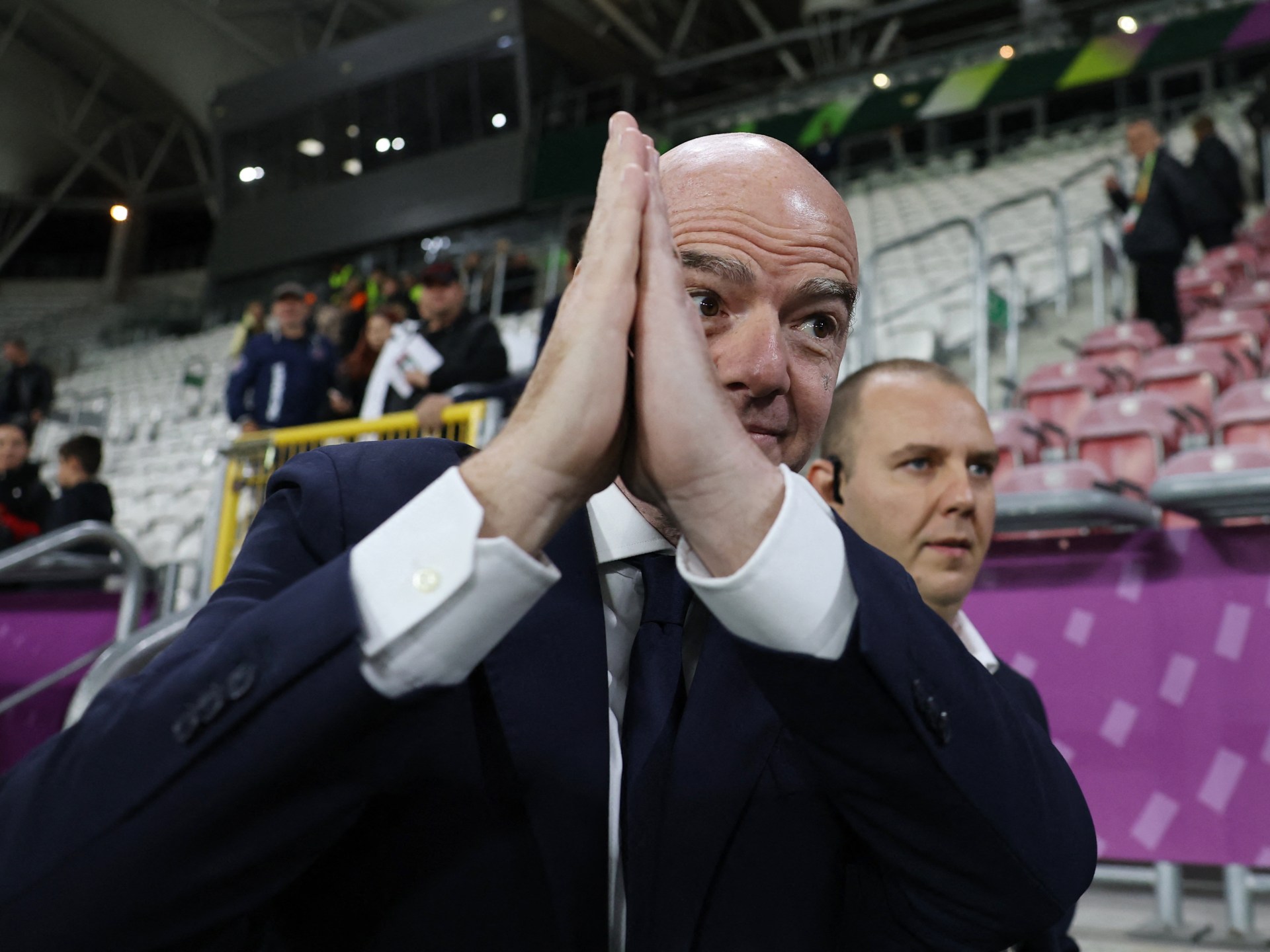
FIFA President Gianni Infantino faces intense scrutiny as he signals massive funding increases for member associations amid his re-election campaign.
Geopolitical & Core Developments
In the intricate theater of international sports diplomacy, the Federation Internationale de Football Association (FIFA) finds itself at the center of a high-stakes fiscal and political contest. FIFA President Gianni Infantino has signaled openness to disbursing unprecedented levels of additional funding to the organization's 211 member associations. This strategic maneuver coincides directly with preparations for his upcoming re-election bid, drawing immediate parallels to traditional statecraft where resource allocation serves as a primary instrument for consolidating political capital.
The timing of these proposed financial disbursements has intensified underlying fractures within global football governance. Critics and opposing regional blocs argue that centralized financial distributions risk creating client-patron dynamics within the congress, potentially marginalizing dissenting voices and stifling institutional reform. Conversely, proponents within Infantino's administration defend the fiscal expansion as a necessary democratization of resources, designed to bridge the developmental chasm between elite European federations and underfunded associations across Africa, Asia, and the Americas. The structural mechanics of FIFA's governance model mean that every member nation commands an equal vote, transforming financial assistance into a decisive currency within electoral politics.
Global Trade & Economic Ripples
While ostensibly contained within the realm of athletic governance, FIFA's massive capital flows carry notable implications for the broader commercial and corporate ecosystems that sustain international sports economics. Global commodity markets, corporate hospitality sectors, and sports marketing agencies closely monitor FIFA's fiscal health, as the organization commands multi-billion-dollar commercial partnerships, broadcast rights, and sponsorship portfolios with multinational conglomerates.
Increased capital deployment by FIFA directly stimulates regional supply chains tied to sporting infrastructure development, including construction materials, logistics, stadium technology, and telecommunications upgrades in host and developing nations. However, analysts warn that heavy financial centralization within sports governing bodies can introduce market distortions, particularly when local currencies and national economic stability are tied to the vagaries of international tournament cycles. Furthermore, corporate sponsors increasingly demand stringent environmental, social, and governance (ESG) compliance, making large-scale financial transfers subject to rigorous macroeconomic and regulatory oversight by international financial institutions.
Related Intelligence: Karachi Boat Tragedy Highlights Maritime Safety Crisis and Economic Vulnerability
International Reactions & Diplomatic Stances
International reaction to Infantino's funding proposals has exposed deep divisions among multilateral observers, regional sports bodies, and corporate governance watchdogs. European football authorities, led by UEFA representatives, have repeatedly voiced reservations regarding the long-term sustainability of FIFA's aggressive spending trajectory, advocating instead for stringent financial fair play and transparent reserve accumulation.
Conversely, confederations across the Global South have expressed cautious optimism regarding the potential capital injections, emphasizing the historical disparities in resource distribution that have long hindered grassroots development. Multilateral bodies and economic analysts monitoring institutional governance have urged greater transparency, warning that unmonitored financial disbursements risk bypassing established anti-corruption frameworks. The debate mirrors broader international discussions surrounding developmental aid and institutional accountability, wherein donor-driven resource allocation frequently intersects with domestic political sovereignty.
Strategic Outlook & Future Scenarios
As the electoral congress approaches, the trajectory of FIFA's financial policy will serve as a critical bellwether for global sports administration. The central tension between centralization of executive authority and decentralized resource distribution remains unresolved, setting the stage for contentious debates at upcoming international summits.
Future scenarios range from a consolidated victory for Infantino, characterized by expanded financial programs and institutional dominance, to a fractured electorate demanding structural reforms and independent oversight of FIFA's reserves. For international investors, corporate partners, and geopolitical analysts, the unfolding contest underscores the growing intersection between global finance, institutional governance, and the immense soft power wielded by international sporting bodies.
Join Our Official WhatsApp Channel
Receive live commodity alerts, policy changes, and commercial intelligence directly on WhatsApp.