
Karachi Boat Tragedy Highlights Maritime Safety Crisis and Economic Vulnerability
The tragic capsizing of a fishing boat off Karachi's coast claims two lives, highlighting critical maritime safety failures and the socioeconomic vulnerabilities facing Pakistan's artisanal fishing communities.
The Core Development
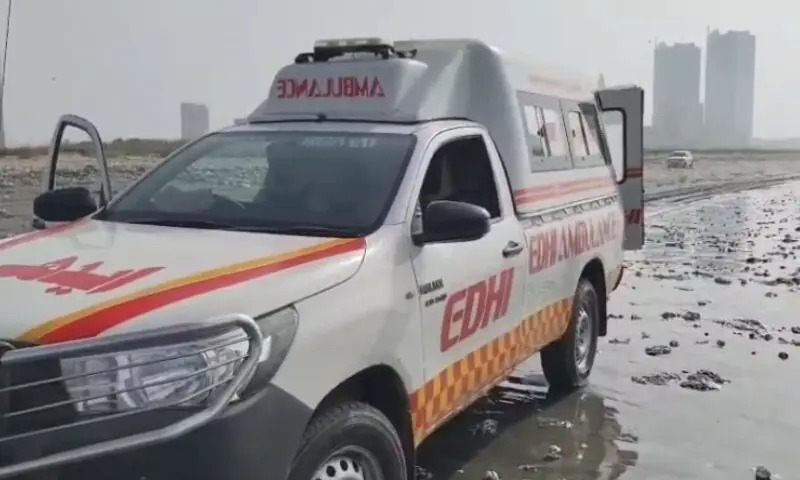
Maritime rescue operations off the coast of Karachi faced a grim reality on Tuesday as search teams recovered the bodies of two fishermen, a day after their vessel capsized near the prominent Sea View coastline. The incident, which unfolded near the Nishan-i-Pakistan monument, involved a small commercial fishing boat carrying a five-member crew. According to official statements released by the Edhi Foundation, two of the fishermen were successfully rescued by local volunteers and emergency responders on Monday evening as daylight waned. However, three crew members remained unaccounted for overnight, prompting an intensive joint search and rescue operation involving marine rescue units.
By Tuesday afternoon, divers and coastal patrols located two bodies floating approximately two nautical miles from the incident site. One of the deceased was formally identified as 55-year-old Abdul Salam, son of Fateh Ali, a veteran local fisherman whose family resides in a densely populated coastal settlement near Ibrahim Hyderi. The identity of the second recovered victim remained pending official verification at the time of reporting. Both bodies were promptly transported via Edhi Foundation ambulances to the Jinnah Postgraduate Medical Centre (JPMC) for medico-legal procedures. Rescue 1122 spokesperson Hassaan Ul Haseeb Khan informed media outlets that the preliminary investigation indicates the vessel suffered a catastrophic mechanical failure while navigating rough waters. The sudden loss of propulsion left the crew unable to maneuver against strong coastal currents, culminating in the fatal capsize.
Commercial & Economic Implications
While the human toll remains the immediate tragedy, this maritime accident underscores broader structural vulnerabilities within Pakistan's vital coastal economy. Artisanal and commercial fisheries along the Sindh coastline serve as a cornerstone for local food security, wholesale seafood distribution, and regional trade. Frequent reliance on aging, poorly maintained watercraft—often operating without mandatory safety gear, functional communication radios, or up-to-date engine certifications—threatens not only the livelihoods of thousands of low-income workers but also the stability of the domestic seafood supply chain.
When fatal accidents disrupt small-scale fishing operations, immediate localized supply shocks ripple through wholesale fish markets in Karachi, temporarily impacting retail pricing and profit margins for local vendors. Furthermore, the recurring loss of skilled labor places intense economic pressure on vulnerable fishing households, who frequently lack adequate life insurance, medical coverage, or institutional financial safety nets. For Kalyar Traders and the wider national business ecosystem, the incident serves as a stark reminder of how systemic regulatory oversights in peripheral sectors can aggravate national inflation, diminish labor productivity, and inflate operational risks across allied trade corridors.
Related Intelligence: Bangkok Floods Trigger Supply Chain Disruptions and Local Market Adaptation
Stakeholder Perspectives & Market Reactions
In the wake of the tragedy, representatives from local fishermen cooperatives and trade associations voiced vehement criticism against the apparent complacency of maritime regulatory bodies. Industry spokespersons pointed out that despite repeated appeals for mandatory vessel fitness inspections, subsidized safety equipment, and the establishment of an emergency maritime response wing dedicated to artisanal fleets, enforcement remains virtually nonexistent. Legal experts and labor rights advocates have similarly highlighted the absence of stringent accountability mechanisms for boat owners who deploy unseaworthy vessels into unpredictable open waters.
Public response across Karachi has been one of deep sorrow mixed with mounting frustration over municipal and federal neglect of coastal infrastructure. Official statements from local government administrators expressed profound grief over the loss of life and pledged immediate administrative assistance to the bereaved families. However, civil society groups emphasize that symbolic condolences are insufficient without concrete policy interventions, rigorous port authority oversight, and binding safety mandates designed to protect commercial laborers operating in high-risk maritime environments.
Forward Outlook & Key Watchpoints
As search and rescue authorities press forward with maritime sweeps to locate the final missing fisherman, attention is rapidly shifting toward institutional accountability and regulatory reform. Key watchpoints for the coming weeks include the formal release of the joint rescue committee's incident report, potential legislative moves by the Sindh fisheries department regarding mandatory vessel registration, and the implementation of stricter safety compliance checks at key Karachi jetties.
Policy enforcement must evolve beyond reactive disaster management toward proactive hazard mitigation if Pakistan's maritime trade and fishing sectors are to avoid future catastrophes. Stakeholders and commercial operators will closely monitor whether federal and provincial authorities allocate necessary fiscal resources to modernize coastal rescue infrastructure, establish reliable distress signaling protocols, and enforce strict seaworthiness certifications across all commercial and artisanal vessels.
Join Our Official WhatsApp Channel
Receive live commodity alerts, policy changes, and commercial intelligence directly on WhatsApp.