
Fatal Rajanpur Highway Crash Exposes Severe Logistics and Transport Vulnerabilities
A devastating bus collision in Rajanpur claiming at least ten lives has triggered fresh scrutiny over interprovincial arterial safety, passenger fleet regulations, and transit disruptions on the Indus Highway.
The Core Development
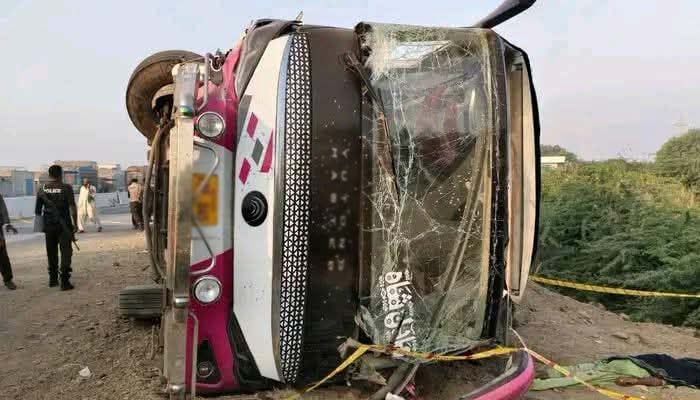
A devastating traffic accident in the Rajanpur district of southern Punjab resulted in the deaths of at least 10 passengers and left over 30 others seriously injured when an intercity passenger coach collided catastrophically along the Indus Highway. According to emergency responders and district administration officials, the incident occurred during the early hours, a window historically characterized by poor visibility and driver fatigue on major transport corridors.
Rescue 1122 personnel and local law enforcement mobilized immediately, extricating victims from the mangled wreckage and shifting the injured to the Rajanpur District Headquarters (DHQ) Hospital and specialized trauma facilities in Dera Ghazi Khan. Hospital administrators declared a state of emergency to manage the sudden influx of critical trauma cases, with several victims reported to be in unstable condition. Preliminary investigations point toward a lethal combination of overspeeding, low nocturnal visibility, and suboptimal road geometry on a heavily congested section of the national arterial network. Local authorities have cordoned off the site, initiated a formal inquiry, and impounded the damaged vehicle for forensic inspection.
Commercial & Economic Implications
While primarily a human tragedy, the disaster in Rajanpur highlights the fragile infrastructure underpinning Pakistan's freight and interprovincial transport corridors. The Indus Highway (N-55) serves as a vital arterial route running along the western bank of the Indus River, connecting Karachi and Sindh with southern Punjab, Khyber Pakhtunkhwa, and regional distribution nodes. Disruptions along this corridor directly impact the timely movement of perishables, wholesale consumer goods, and agricultural inputs vital to domestic commerce.
Escalating macroeconomic pressures, particularly high fuel prices and exorbitant import tariffs on automotive spare parts, have placed acute financial strain on commercial transport fleets. Fleet operators frequently defer non-essential maintenance, stretch tyre lifecycles past safe limits, and enforce grueling schedules on long-haul drivers to protect margins. This systemic underinvestment in vehicle roadworthiness and workforce welfare directly increases the frequency of fatal transit accidents. When arterial blockages occur, supply chain delays ripple through retail and wholesale hubs, compounding spot freight premiums and pushing up intermediate transit costs across domestic trading networks.
Related Intelligence: European Mega-Sporting Events Face Rising Security Pressures and Geopolitical Headwinds
Stakeholder Perspectives & Market Reactions
The incident has elicited sharp reactions from transport worker federations, trade bodies, and consumer safety advocates. Passenger safety organizations have condemned the persistent regulatory lapses in vehicle fitness certifications, accusing regional transport authorities of lax oversight. The All Pakistan Goods Transport Owners Association noted that while road accidents are frequently blamed solely on driver error, the failure of state authorities to complete highway dualization projects and maintain proper road markings creates inherently hazardous conditions for operators.
Provincial authorities and parliamentary representatives expressed grief over the casualties and pledged compensations for the families of the deceased. Legal analysts have reiterated the urgent necessity of strictly enforcing the National Highway Safety Ordinance. Industry stakeholders argue that without structural reforms, including automated speed compliance monitoring and strict limits on continuous driving hours, commercial transport corridors will continue to suffer from elevated human and capital losses.
Forward Outlook & Key Watchpoints
In the coming weeks, attention will center on the findings of the district inquiry committee established to determine liability for the Rajanpur crash. Observers will track whether regulatory agencies initiate punitive fitness crackdowns on long-distance passenger fleets or simply allow scrutiny to fade as normal operations resume.
Key watchpoints include progress on the long-delayed dualization and rehabilitation packages for the N-55 highway under federal development programs. Transport companies face rising pressures to modernize fleet management through mandatory GPS speed-governing mechanisms and transparent driver shift rosters. If regulatory scrutiny translates into targeted administrative crackdowns, interprovincial transport operators may encounter brief capacity contractions, underscoring the delicate balance between operational enforcement, transit safety, and the seamless movement of interprovincial commerce.
Join Our Official WhatsApp Channel
Receive live commodity alerts, policy changes, and commercial intelligence directly on WhatsApp.