
Cuba Accuses US of Diplomatic Coercion Ahead of Crucial UN Embargo Vote
Cuba has accused the United States of deploying retaliatory threats against allied nations to dilute international support for an upcoming United Nations resolution demanding an end to Washington's decades-long economic embargo.
Geopolitical & Core Developments
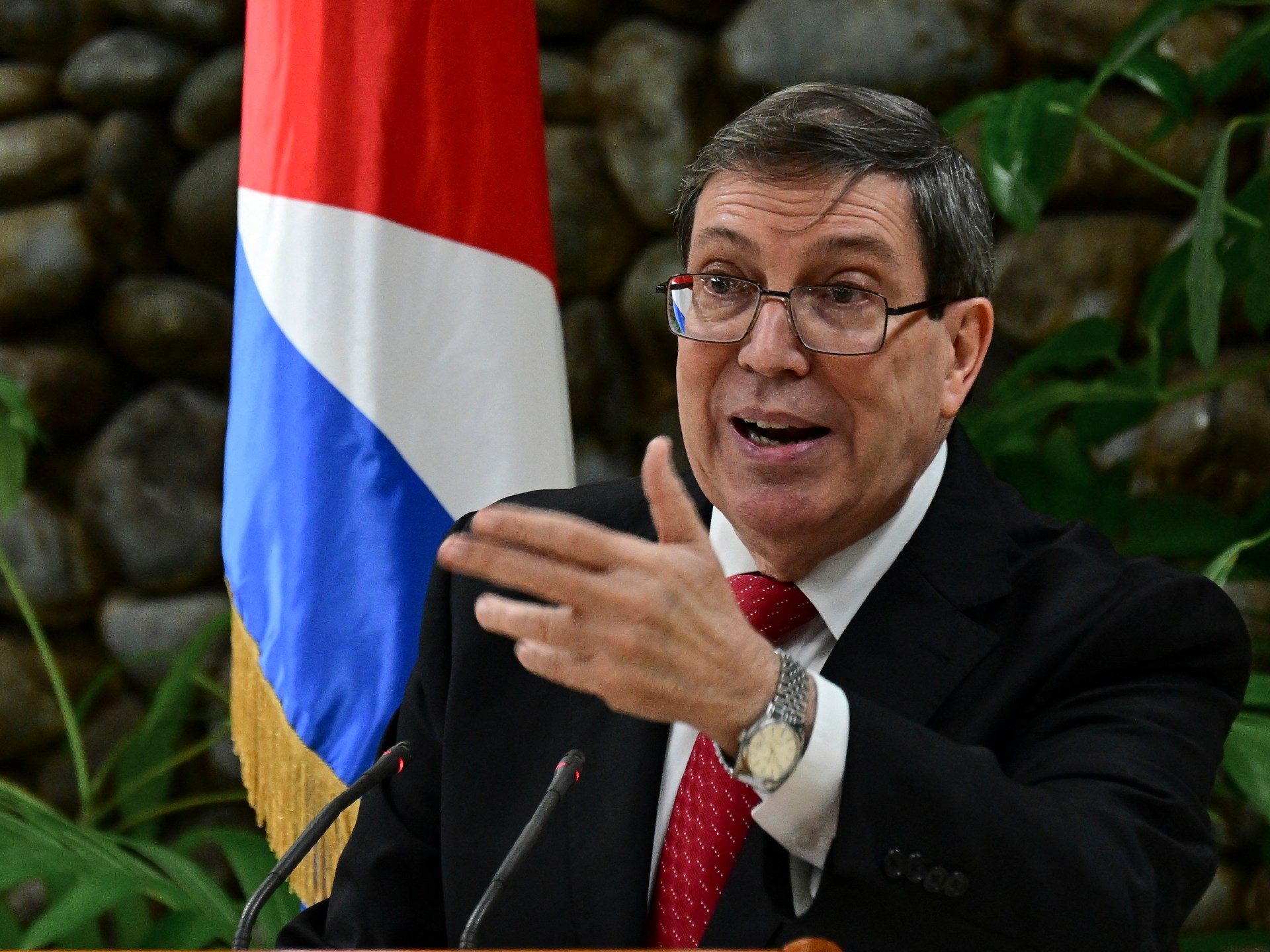
Havana has lodged formal accusations against the United States, alleging coordinated diplomatic pressure aimed at dissuading foreign governments from supporting the United Nations General Assembly's annual resolution condemning the American embargo. The development arrives ahead of the multilateral body's 32nd consecutive vote on the measure, which historically garners overwhelming international approval with near-unanimous majorities. Cuban Foreign Minister Bruno Rodriguez Parrilla stated that American emissaries have pressured allied capitals, warning of potential bilateral consequences should they vote against Washington's domestic policy.
The strategic friction centers on the comprehensive sanctions regime established by Washington in 1962, which criminalizes broad commercial, financial, and logistical transactions with the Caribbean nation. In recent years, the friction has intensified following Washington's redesignation of Cuba as a State Sponsor of Terrorism (SSOT) in 2021. Havana asserts that the US Department of State is utilizing targeted diplomatic engagements to erode traditional voting coalitions across Latin America, Africa, and non-aligned blocs, raising systemic concerns over bilateral coercion within multilateral assemblies.
Global Trade & Economic Ripples
The ongoing enforcement of the US embargo carries structural consequences for international trade and maritime supply chains. The extraterritorial reach of the Helms-Burton Act continues to discourage multinational enterprises, commercial shipping lines, and financial institutions from servicing Cuban ports. Under the statute's provisions, merchant vessels docking in Cuba face severe operational restrictions from entering US territorial waters for 180 days, inducing significant logistical friction and premium shipping surcharges on Caribbean trade routes.
Furthermore, the sanctions complicate Cuba's access to global energy markets, creating chronic balance-of-payments deficits and acute fuel shortages across the island's domestic electrical grid. Commercial banks routinely freeze or decline transactions involving Havana to avoid enforcement penalties levied by the US Office of Foreign Assets Control (OFAC). Consequently, global exporters of food commodities, medical supplies, and petroleum must establish complex third-party intermediary networks, which inflate transaction overheads and restrict liquidity in regional frontier debt markets.
Related Intelligence: Nigeria Identifies Travel History in Ebola Case Amid Regional Border Surveillance
International Reactions & Diplomatic Stances
The diplomatic impasse reflects deep geopolitical divisions between Washington and the wider international community. Historically, the UN General Assembly resolution has passed with virtually isolated opposition, typically supported solely by the United States and Israel. Regional blocs such as the Community of Latin American and Caribbean States (CELAC), the African Union, and the European Union have consistently affirmed their opposition to the unilateral sanctions framework, arguing that extraterritorial application breaches the principles of sovereign equality and non-intervention enshrined in international law.
In response to Havana's allegations, American officials have reiterated that sanctions remain a foundational instrument of national security policy, designed to encourage democratic reform, institutional accountability, and respect for fundamental human rights. Washington maintains that exemptions for humanitarian aid, food, and specific agricultural commodities negate assertions that the embargo restricts basic sustenance for the civilian population. However, multiple United Nations special rapporteurs have noted that secondary financial sanctions functionally undercut said exemptions by triggering sweeping institutional de-risking.
Strategic Outlook & Future Scenarios
The anticipated General Assembly vote is widely expected to reaffirm global condemnation of the embargo, even if several states alter their participation due to diplomatic calculations. However, because General Assembly resolutions carry political weight rather than binding enforcement under Chapter VII of the UN Charter, the institutional stalemate will persist. The legislative mechanics required to dismantle the embargo remain firmly entrenched in the US Congress, rendering structural policy realignments improbable under existing political conditions.
Over the near term, Havana will continue strengthening its bilateral alignments with alternative sovereign partners, notably China, Russia, and regional Latin American energy exporters. Should US enforcement posture tighten further following regional electoral cycles, Cuba's compounding infrastructural deficits, particularly within domestic electricity generation and basic commodity distribution, risk accelerating outward migratory pressures across the Western Hemisphere, creating secondary macroeconomic impacts for regional border economies.
Join Our Official WhatsApp Channel
Receive live commodity alerts, policy changes, and commercial intelligence directly on WhatsApp.