
Fatal Blaze at Canadian Military Base Raises Operational and Defense Concerns
A major fire at a Canadian military base has claimed four lives and injured dozens, prompting high-level government reviews and strategic infrastructure reassessments.
Geopolitical & Core Developments
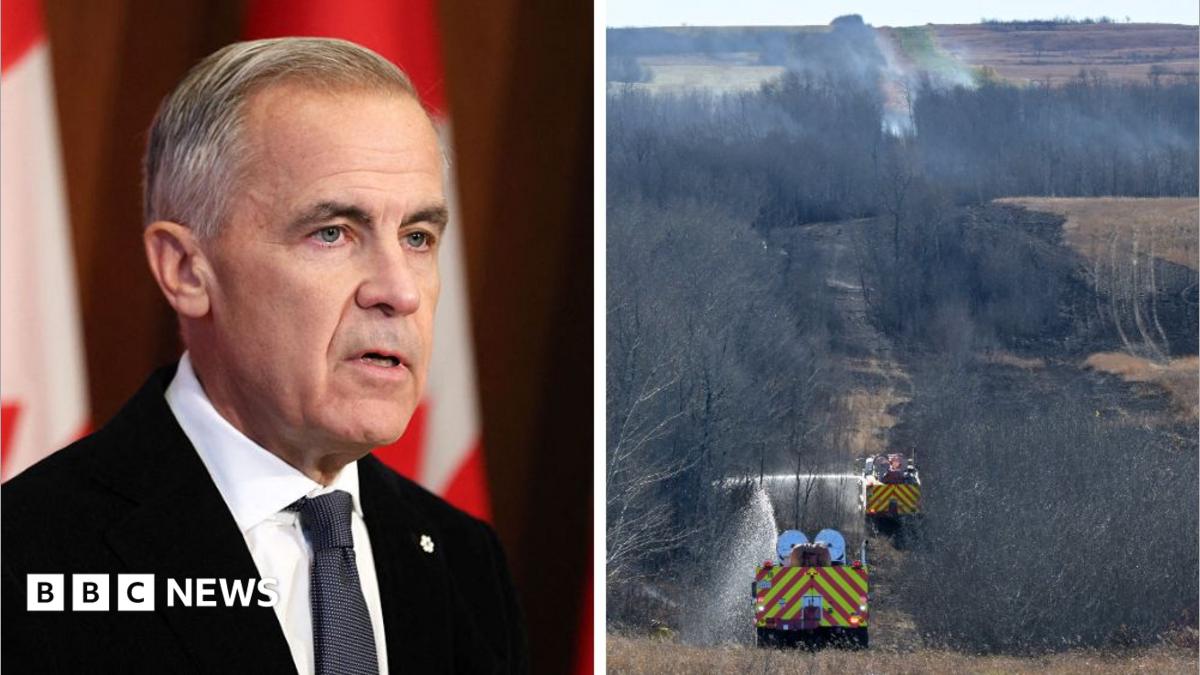
A devastating blaze tore through a Canadian Armed Forces installation overnight, claiming four lives and leaving dozens injured in one of the most severe peacetime domestic incidents involving the nation's military infrastructure in recent years. Emergency crews, civil defense units, and military personnel fought the fire under extreme conditions as structural collapses and intense heat complicated rescue operations throughout the night. Prime Minister Carney confirmed the casualty toll during a morning briefing, acknowledging that responders operated in some of the most adverse conditions imaginable to isolate the flames and prevent secondary ignitions across adjacent depots.
Defense officials immediately initiated containment protocols to secure surrounding assets, including sensitive communications and logistics centers. Although preliminary findings point toward an industrial or accidental failure within secondary storage facilities, the Department of National Defence has commissioned a comprehensive military police inquiry alongside provincial fire marshals. The strategic stakes remain elevated given the base's functional role in training, staging, and supporting joint multinational exercises within the NATO alliance framework. The physical degradation of operational infrastructure highlights enduring questions surrounding modernization timelines and maintenance allocations within allied defense establishments.
Global Trade & Economic Ripples
While the immediate aftermath primarily represents a human and operational catastrophe, the incident creates acute secondary friction across regional supply corridors and specialized procurement channels. Base logistics rely on intricate supply networks integrating heavy machinery, avionics components, and tactical sustainment materials sourced across North American bilateral pacts. Immediate cordoning of the sector has forced commercial transport carriers to reroute non-defense logistics around adjacent transportation corridors, temporarily elevating transit costs and delaying industrial freight destined for trans-Canadian rail links.
Furthermore, defense equipment manufacturers and aerospace defense contractors face accelerated scrutiny over facility fire-safety standards, material compliance, and hazardous storage frameworks. Capital markets observed negligible macro volatility in sovereign bond yields or currency benchmarks, but defense procurement supply chains anticipate localized cost reallocations. Reconstruction tenders, hazardous material remediation contracts, and replacement procurement for tactical materiel will require emergency fiscal appropriations, marginally expanding capital outlays within upcoming national budgetary cycles.
Related Intelligence: US Synthetic Opioid Epidemic Fuels Transnational Supply Chain Tensions
International Reactions & Diplomatic Stances
Allied defense ministries across NATO, alongside bilateral partners in Washington and London, issued formal condolences while offering specialized technical assistance to support post-incident analysis and site mitigation. U.S. defense officials reiterated that shared continental defense coordination under the North American Aerospace Defense Command remains fully operational and uncompromised by the domestic emergency.
Multilateral bodies monitoring military safety protocols noted that industrial risks within joint-use installations have expanded as facilities integrate newer energy technologies alongside legacy hardware. Diplomatic partners commended the rapid containment efforts executed by local and federal agencies, underscoring that inter-agency coordination prevented an even broader civilian and military casualty count. Defense policy analysts emphasized that sovereign allies must balance accelerated readiness cycles with stringent maintenance regimens to safeguard frontline personnel.
Strategic Outlook & Future Scenarios
In the near term, federal authorities will prioritize personnel welfare, environmental containment of industrial effluents, and a rigorous forensic evaluation to determine the blaze's point of origin. Political leadership faces mounting pressure from parliamentary oversight committees to accelerate capital expenditure dedicated to base modernization and deferred facility maintenance across northern and maritime defense sectors.
Over the medium horizon, the inquiry's findings are expected to prompt broader regulatory overhauls across allied military installations, particularly concerning emergency response interoperability between municipal first responders and federal armed services. Any prolonged disruption to operational cadence at the installation will require tactical redeployments to peer bases, ensuring that multilateral operational readiness metrics and training commitments remain on schedule ahead of planned multinational alliance exercises later this year.
Join Our Official WhatsApp Channel
Receive live commodity alerts, policy changes, and commercial intelligence directly on WhatsApp.