
Europe and Israel Face Deepening Diplomatic Rifts Amid Election Uncertainty
Mounting European condemnation over the Palestinian question confronts an Israeli political landscape with minimal appetite for structural compromise, threatening to fracture long-standing economic and security ties.
Geopolitical & Core Developments
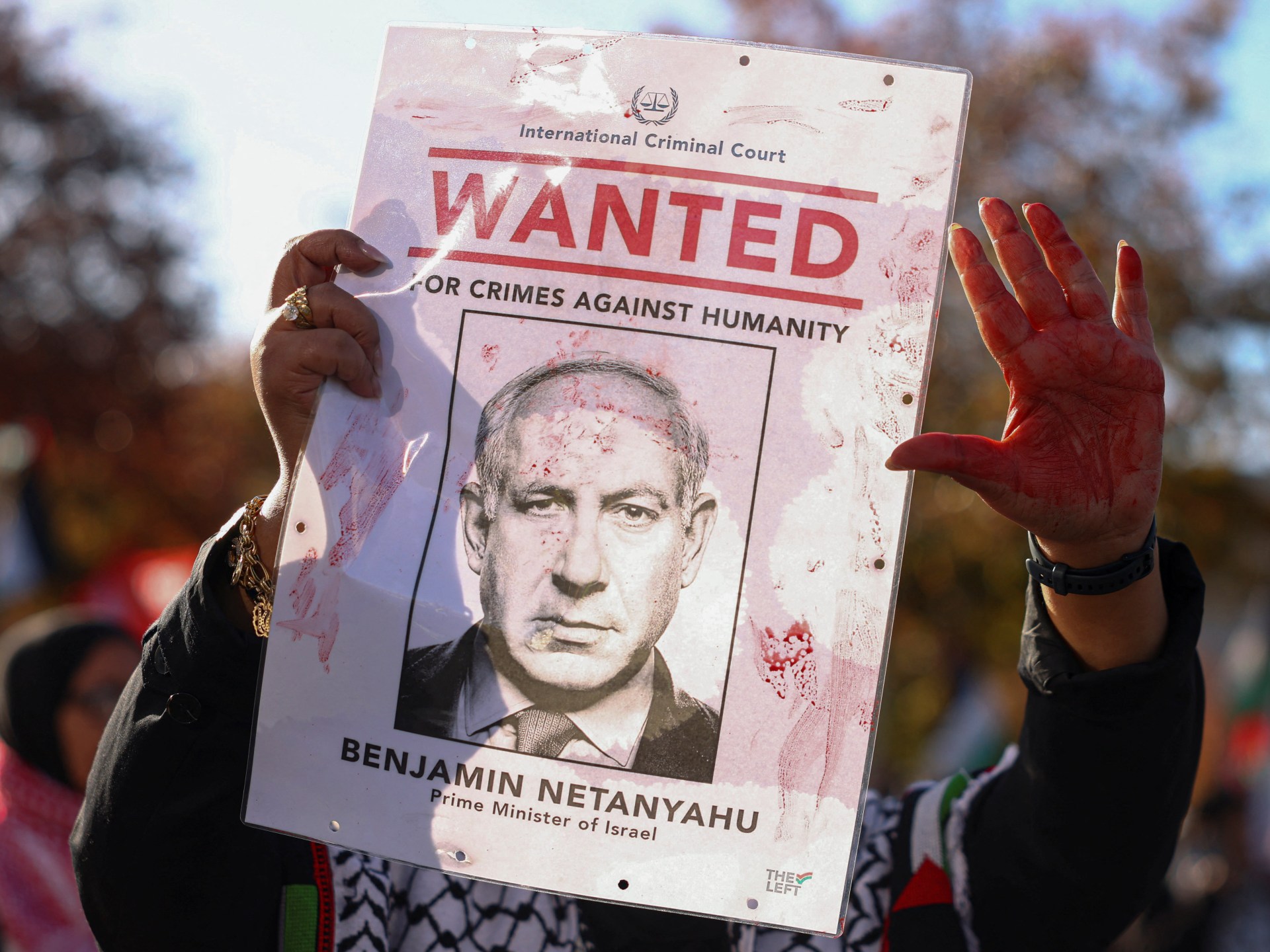
Relations between Israel and its primary Western European allies have entered a period of pronounced structural strain. European capitals, historically torn between strategic solidarity with Israel and collective commitments to international law and human rights, are signaling a palpable exhaustion with the ongoing diplomatic impasse. Decades of expanding settlement architecture in the West Bank, combined with recurrent military operations and humanitarian crises in Gaza, have steadily eroded the political consensus in Brussels, Paris, and Madrid.
While Israel approaches fresh electoral cycles, foreign policy strategists in Europe harbor few illusions regarding meaningful recalibration. The spectrum of viable Israeli political coalitions remains broadly anchored to security-centric doctrines that reject meaningful progress toward a sovereign Palestinian state. Consequently, the assumption that an internal shift in parliamentary arithmetic could rehabilitate ties with Europe is meeting intense skepticism. The disconnect is widening: European electorates increasingly pressure their leaders for concrete accountability, while Israeli domestic politics continue to prioritize unilateral deterrence over negotiated settlements.
Global Trade & Economic Ripples
The deterioration of political goodwill carries tangible commercial implications for Mediterranean and trans-European commerce. The European Union stands as Israel's largest trade partner, with bilateral exchange exceeding 46 billion euros annually spanning high-tech components, agricultural goods, and industrial equipment. Continued diplomatic friction introduces regulatory uncertainty, particularly regarding product labeling standards for goods originating beyond the 1967 green line and eligibility criteria for EU research frameworks such as Horizon Europe.
Furthermore, the Eastern Mediterranean energy corridor faces strategic headwinds. Joint initiatives to commercialize offshore natural gas reserves via regional infrastructure require sustained multilateral stability. Lingering geopolitical volatility discourages long-term capital expenditure in maritime energy exploration and complicates regional maritime connectivity. Should European governments introduce targeted sanctions or reassess commercial exemptions under the EU-Israel Association Agreement, supply chains within the advanced manufacturing, agritech, and cybersecurity sectors could experience compliance bottlenecks and elevated capital costs.
Related Intelligence: Fatal Incident at Canadian Military Base Sparks Global Supply Chain Concerns
International Reactions & Diplomatic Stances
Multilateral bodies and European governments are adopting increasingly divergent approaches toward Tel Aviv. Countries such as Spain, Ireland, and Norway have broken ranks to formalize recognition of a Palestinian state, framing the gesture as an urgent safeguard for the two-state solution. In contrast, Germany and several Central European administrations continue to maintain closer security alignments with Israel, though public sentiment within these nations is visibly fracturing along generational lines.
United Nations agencies have repeatedly warned that structural disenfranchisement and unilateral territorial changes undermine the foundation of international law. European Union foreign policy officials have openly debated reviewing bilateral human rights clauses embedded in institutional pacts. Across the Atlantic, Washington continues to provide an essential diplomatic umbrella at the UN Security Council, but European envoys are increasingly vocal in multilateral forums, asserting that unconditional Western support damages broader diplomatic credibility across the Global South.
Strategic Outlook & Future Scenarios
Looking ahead, the diplomatic trajectory between Europe and Israel appears destined for transactional containment rather than strategic renewal. Upcoming summits between the European Council and regional leaders are expected to feature contentious debates over trade terms, export control regimes, and defense procurement agreements. European states are unlikely to enact sweeping trade embargoes in the near term, but selective exclusions, tightened scrutiny on dual-use technology transfers, and enhanced civil society boycott campaigns remain probable.
If the forthcoming Israeli electoral outcomes reinforce existing domestic trajectories, the gulf between European normative diplomacy and Israeli strategic priorities will widen further. Tel Aviv will likely hedge against European cooling by accelerating its commercial pivot toward Indo-Pacific and Gulf markets. Nevertheless, losing moral and institutional backing from traditional European partners poses an enduring risk to Israel's integration into global scientific, commercial, and diplomatic architectures.
Join Our Official WhatsApp Channel
Receive live commodity alerts, policy changes, and commercial intelligence directly on WhatsApp.