
Ethiopia Warns Eritrea as Cross-Border Deployments Trigger Regional Alarm
Ethiopia has issued a stern warning to Eritrea following unauthorized troop crossings, prompting retaliatory drone strikes and escalating fears of a renewed regional conflict that threatens Horn of Africa stability.
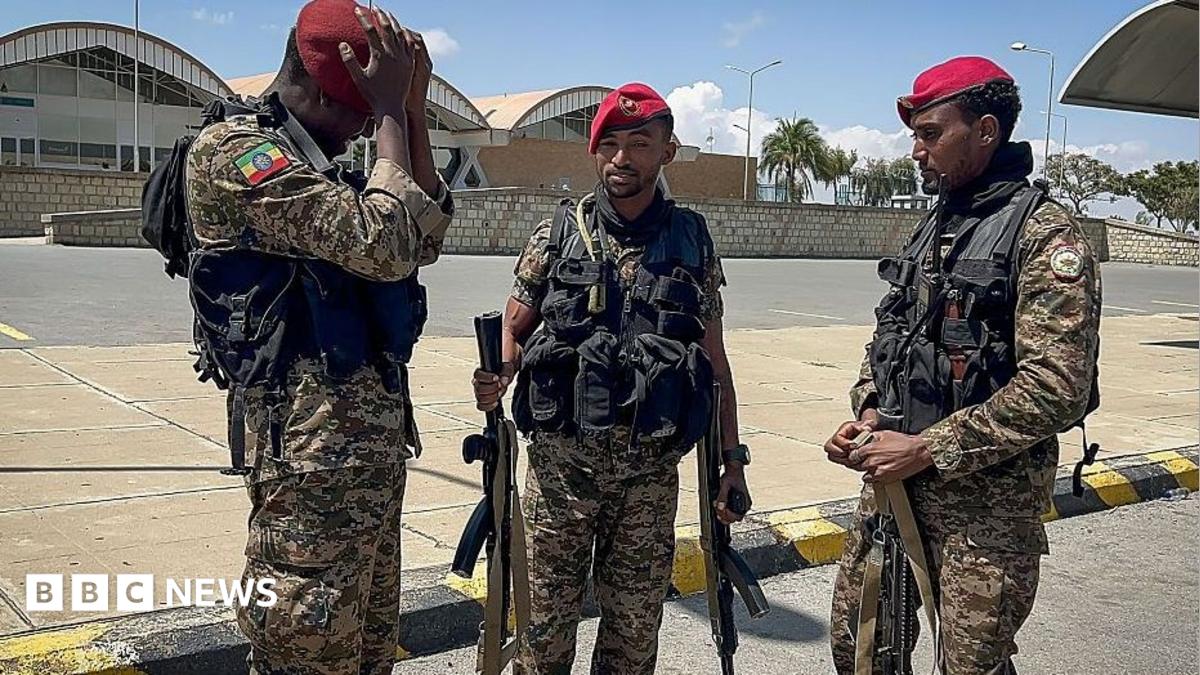
Geopolitical & Core Developments
Tensions in the volatile Horn of Africa have escalated sharply following reports of Eritrean troop movements across the international border into northern Ethiopia. According to regional intelligence and eyewitness accounts, truckloads of Eritrean soldiers have crossed into Ethiopian territory, shattering a fragile peace that has largely held since the formal conclusion of the Tigray conflict and subsequent peace accords. Addis Ababa has responded swiftly to the incursion, with local security forces and federal assets reportedly deploying counter-measures, including targeted drone strikes to halt the advance.
The renewed hostilities underscore the deep-seated mistrust and unresolved territorial disputes that continue to plague relations between Asmara and Addis Ababa. Despite previous diplomatic overtures and regional normalization agreements, strategic competition and overlapping security interests in the borderlands remain potent flashpoints. State actors are currently locked in a tense standoff, raising fears that local skirmishes could rapidly spiral into a full-scale conventional military confrontation with devastating humanitarian consequences for a region already recovering from prolonged conflict.
Global Trade & Economic Ripples
While the immediate theater of conflict remains localized to the rugged borderlands, the commercial ramifications extend far beyond the immediate region. The Horn of Africa is a critical geographic nexus connecting continental trade routes to the vital maritime shipping lanes of the Red Sea and the Bab el-Mandeb strait. Any sustained military escalation threatens to disrupt logistics corridors, elevating freight insurance premiums and forcing international shipping lines to reassess regional supply chain vulnerabilities.
Furthermore, the instability directly impacts soft commodity markets and agricultural supply chains within East Africa. Ethiopia and neighboring states are significant producers of key agricultural exports, including coffee and sesame seeds, which feed into global commodity exchanges. Prolonged conflict threatens domestic harvest cycles, exacerbates localized inflation, and impairs currency stability across the region. Foreign direct investment into the broader East African economic bloc is also expected to stall as multinational corporations adopt a risk-off posture amid mounting geopolitical uncertainty.
Related Intelligence: Ukraine Expands Drone Strikes to Russian Artificial Intelligence Infrastructure
International Reactions & Diplomatic Stances
The international community has reacted with profound alarm to the unfolding crisis. The United Nations Security Council, alongside the African Union, has issued urgent appeals for immediate cessation of hostilities and unconditional withdrawal of forces from disputed zones. Multilateral diplomats are working around the clock to establish back-channel communications between Asmara and Addis Ababa, emphasizing that a renewed war in the Horn of Africa would destabilize the entire eastern seaboard of the continent.
Global market analysts and sovereign risk rating agencies have begun adjusting their outlooks for the region, warning that failure to achieve rapid diplomatic de-escalation could invite targeted international sanctions and arms embargoes. Western capitals have reiterated their support for regional mediation frameworks, urging both governments to respect territorial integrity and international law before economic and human costs compound further.
Strategic Outlook & Future Scenarios
Looking ahead, the trajectory of the Ethiopia-Eritrea crisis hinges on the efficacy of emergency diplomatic interventions and the restraint exercised by military commanders on the ground. Analysts identify several critical escalation points, including potential proxy warfare, mobilization of allied regional militias, and the risk of miscalculation along disputed demarcation lines.
Upcoming emergency summits convened by the Intergovernmental Authority on Development (IGAD) will serve as a crucial diplomatic test. Whether regional leaders can compel both administrations to step back from the brink will determine if the Horn of Africa descends into another protracted conflict or manages to preserve fragile economic stability.
Join Our Official WhatsApp Channel
Receive live commodity alerts, policy changes, and commercial intelligence directly on WhatsApp.