
Essar's US Steel Expansion Tests Global Sanctions and Geopolitical Lines
Essar Group's 15 billion dollar US steel mill investment underscores complex financial ties to Russia, raising critical questions for Western regulators and global commodity markets.
Geopolitical & Core Developments
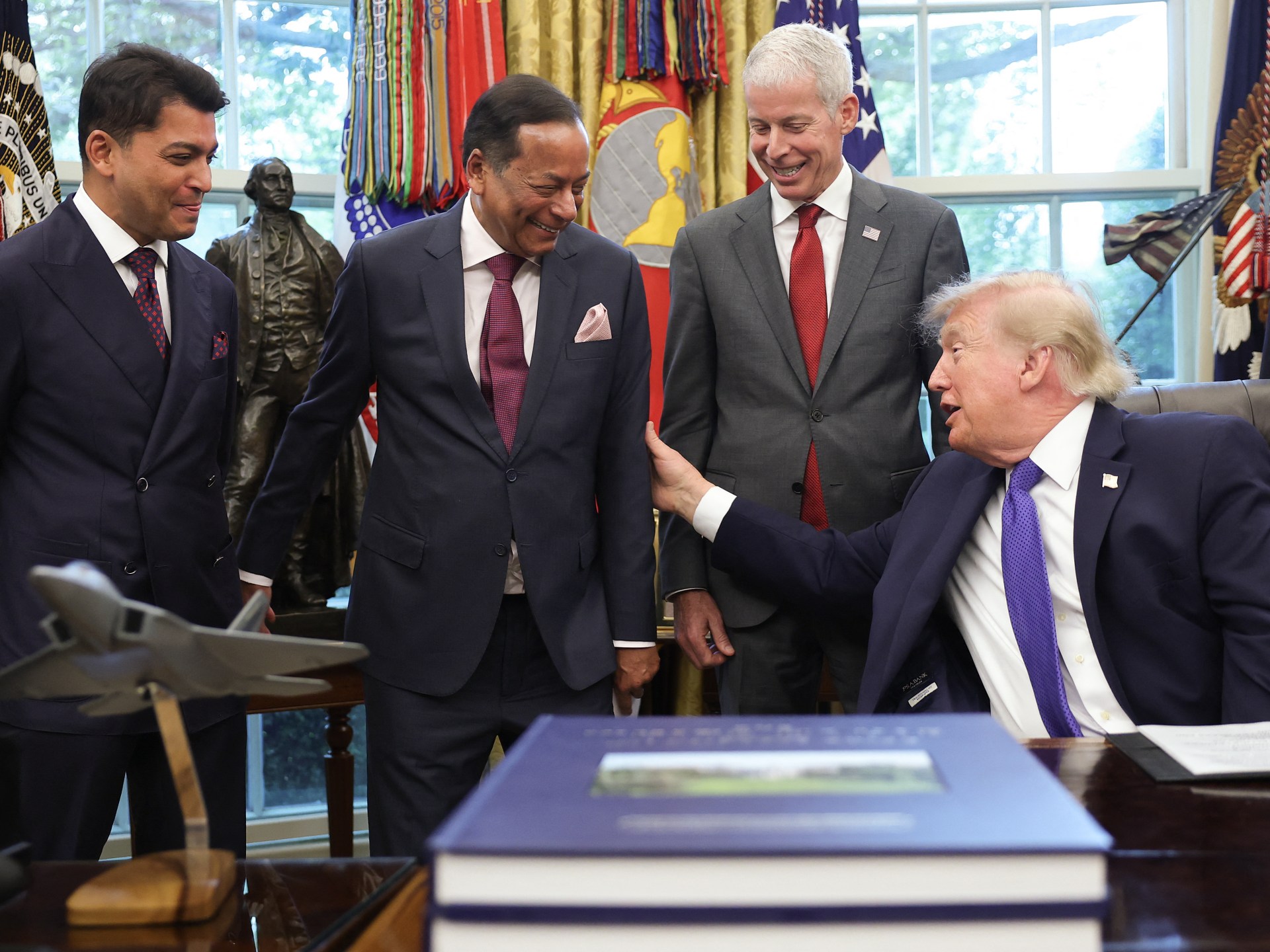
The announcement of a 15 billion dollar steel manufacturing facility in the United States, spearheaded by Indian multinational conglomerate Essar Group, has brought to light a complex web of international finance and geopolitics. Essar, which faced severe financial distress and crippling debt burdens following aggressive global expansions in the past decade, managed a remarkable balance sheet rehabilitation largely facilitated through significant capital injections and debt restructuring tied to Russian financial entities. While the newly announced plant positions itself as a major win for domestic industrial manufacturing and employment within the United States, the ultimate provenance of the underlying corporate recovery remains a point of intense international scrutiny. State actors and intelligence apparatuses across Western capitals are increasingly examining how capital flows originating from Russian financial institutions during periods of distress can eventually transform into multi-billion-dollar foreign direct investments within G7 economies. This dynamic illustrates the porous nature of contemporary global financial architecture, where traditional corporate restructuring crosses paths with high-stakes geopolitical competition, state-level diplomacy, and shifting industrial strategies.
Global Trade & Economic Ripples
Beyond the immediate headlines of industrial expansion, this development sends profound shockwaves through global commodity markets, particularly concerning steel, iron ore, and international shipping logistics. The global steel industry is currently grappling with chronic overcapacity, volatile raw material pricing, and fragmented supply chains shaped by regional trade protections and carbon border adjustment mechanisms. The infusion of 15 billion dollars into a state-of-the-art production facility in the United States alters regional supply dynamics, potentially undercutting traditional European and Asian exporters while intensifying competition for raw inputs such as metallurgical coal and high-grade iron ore. Furthermore, the reliance on complex international financing vehicles highlights vulnerabilities in global banking compliance. As multinational corporations navigate overlapping sanctions regimes and currency fluctuations, the movement of liquidity through offshore holding structures threatens to complicate trade finance corridors, driving up compliance costs for commodity traders and shifting traditional shipping lanes as raw materials are rerouted to feed the new North American industrial hub.
Related Intelligence: West Bank Violence Escalates Geopolitical Risks for Trade and Energy
International Reactions & Diplomatic Stances
Official responses from multilateral bodies, national governments, and market analysts reflect a growing tension between free-market investment objectives and national security imperatives. While Department of Commerce officials in Washington have welcomed job creation and domestic manufacturing revival, regulatory watchdogs and congressional committees are facing mounting pressure from opposition lawmakers to conduct rigorous reviews under the Committee on Foreign Investment in the United States. Analysts at leading financial institutions note that the transaction exposes potential loopholes in the enforcement of secondary sanctions, as foreign firms with historical or active ties to sanctioned jurisdictions leverage restructured balance sheets to expand operations inside Western markets. Meanwhile, international trade bodies have expressed concern that politicized industrial subsidies and opaque cross-border financing could distort competitive parity, prompting calls for standardized global transparency frameworks governing foreign investments in critical manufacturing sectors.
Strategic Outlook & Future Scenarios
Looking ahead, the trajectory of Essar's US steel venture serves as a bellwether for how Western economies will manage foreign investment from conglomerates with historical or financial entanglements with sanctioned states. Upcoming diplomatic summits and trade policy forums are expected to address the tightening of beneficial ownership registries and the harmonization of screening mechanisms for greenfield industrial projects. Should regulatory scrutiny intensify, Essar and similar multinational entities may face heightened compliance hurdles, potentially delaying project timelines or necessitating the restructuring of ownership stakes to appease domestic security hawks. Conversely, if the project proceeds unhindered, it could establish a precedent for how global capital bypasses geopolitical friction points through multi-jurisdictional corporate engineering, fundamentally altering the strategic calculus of international trade and investment for the remainder of the decade.
Join Our Official WhatsApp Channel
Receive live commodity alerts, policy changes, and commercial intelligence directly on WhatsApp.