
Ed Sheeran Denounces Gaza Crisis as Cultural Pressures on Geopolitics Mount
British singer Ed Sheeran has described the Gaza humanitarian crisis as unjustifiable during a concert in Philadelphia, highlighting the mounting intersection between cultural soft power, corporate brand exposure, and international geopolitical tensions.
Geopolitical & Core Developments
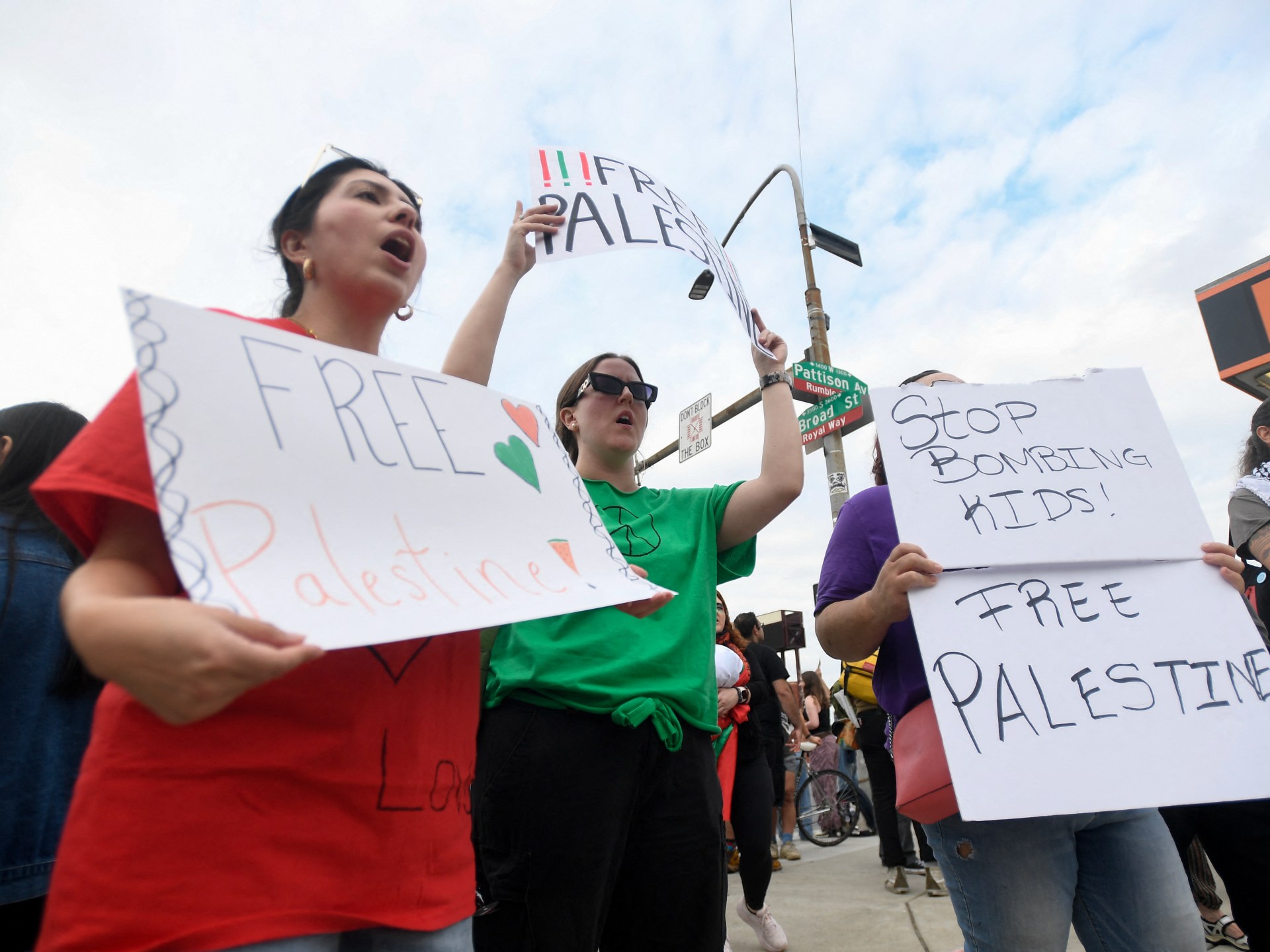
During a concert performance at Lincoln Financial Field in Philadelphia, British singer-songwriter Ed Sheeran addressed the conflict in Gaza directly, publicly characterizing the ongoing civilian suffering and humanitarian crisis as "unjustifiable." Sheeran's public remarks arrived following sustained scrutiny from civil society groups and digital campaigns that had criticized his prior silence regarding the Israeli military campaign in the enclave. The episode illustrates the persistent convergence between cultural soft power, public diplomacy, and state-level geopolitical discourse as international public opinion diverges over the conflict.
The intervention unfolds against the backdrop of sustained regional hostilities, with the humanitarian situation in the Gaza Strip deteriorating amid acute food insecurity, public health collapse, and massive civilian displacement. Despite months of mediated diplomatic engagements facilitated by the United States, Qatar, and Egypt, negotiations targeting a durable ceasefire, captive exchanges, and humanitarian corridors remain fraught with strategic impasses. Sheeran’s statements on an American stage underscore how domestic sentiment across Western nations continues to shift, placing domestic political leadership under persistent pressure to re-evaluate unconditional diplomatic alignments.
Global Trade & Economic Ripples
While artistic interventions occupy the public diplomacy sphere, their underlying geopolitical drivers continue to produce measurable disruptions across international markets. The polarization surrounding the Middle East crisis has fueled widespread consumer boycotts across the Middle East, North Africa, and parts of Southeast Asia, visibly dampening the regional performance of major Western retail, food, and consumer goods conglomerates. Corporate leadership increasingly faces heightened reputational hazards and environmental, social, and governance (ESG) scrutiny concerning operational exposure in conflict zones.
Simultaneously, the broader geopolitical tensions continue to introduce volatility into international maritime trade routes and energy logistics. Sustained maritime attacks in the southern Red Sea and the Bab el-Mandeb Strait have forced commercial shipping lines to divert primary cargo vessels around the Cape of Good Hope, adding substantial transit times, increasing bunker fuel costs, and elevating insurance premiums. Global commodity desks remain alert to supply vulnerabilities, with benchmark crude futures maintaining risk premiums linked to prospective regional escalation, thereby sustaining structural inflationary pressures across energy-importing economies.
Related Intelligence: India Education Deficit Exposes Human Capital Risks Amid Supply Chain Push
International Reactions & Diplomatic Stances
Reaction to Sheeran's remarks highlighted the stark polarization surrounding public discourse on the conflict. Pro-Palestinian advocacy organizations and human rights observers welcomed the statement as a vital deployment of celebrity reach to draw attention to international law violations and civilian harm. Conversely, pro-Israel commentators and counter-advocates argued that public figures frequently oversimplify multifaceted security challenges, specifically Israel’s sovereign right to counter militant infrastructure following the cross-border attacks of October 7.
At the multilateral level, United Nations agencies, including OCHA and UNRWA, have reiterated calls for immediate humanitarian ceasefires, warning that bureaucratic barriers and sustained combat are pushing the population toward irreversible famine conditions. Western foreign ministries remain trapped in a delicate diplomatic posture: managing growing domestic disquiet and calls from legislative factions to restrict arms transfers, while attempting to retain strategic alliances and prevent a wider regional war involving non-state actors in Lebanon and Yemen.
Strategic Outlook & Future Scenarios
The trajectory of public cultural discourse suggests that maintaining corporate and institutional neutrality on Middle Eastern geopolitics will become increasingly unsustainable. As the civilian toll continues to dominate international headlines, commercial promoters, corporate sponsors, and global brand ambassadors will face heightened exposure to reputational fallout, boycotts, and organized stakeholder activism across both Western and non-Western markets.
From a macroeconomic perspective, maritime logistics and commodity supply chains will remain structurally fragile until binding diplomatic settlements are implemented. Without decisive diplomatic progress to halt hostilities and establish a credible post-conflict governance framework, commercial operators must navigate extended transit corridors and elevated security costs. The intersection of grassroots activism, cultural diplomacy, and realpolitik will continue to test the resilience of globalized trade networks throughout the medium term.
Join Our Official WhatsApp Channel
Receive live commodity alerts, policy changes, and commercial intelligence directly on WhatsApp.