
US Navy Mental Health Crisis on USS Abraham Lincoln Exposes Fleet Strain
The US Navy confirmed eight suicide attempts aboard the USS Abraham Lincoln during an extended nine-month deployment, highlighting severe systemic stress within global naval fleets.
Geopolitical & Core Developments
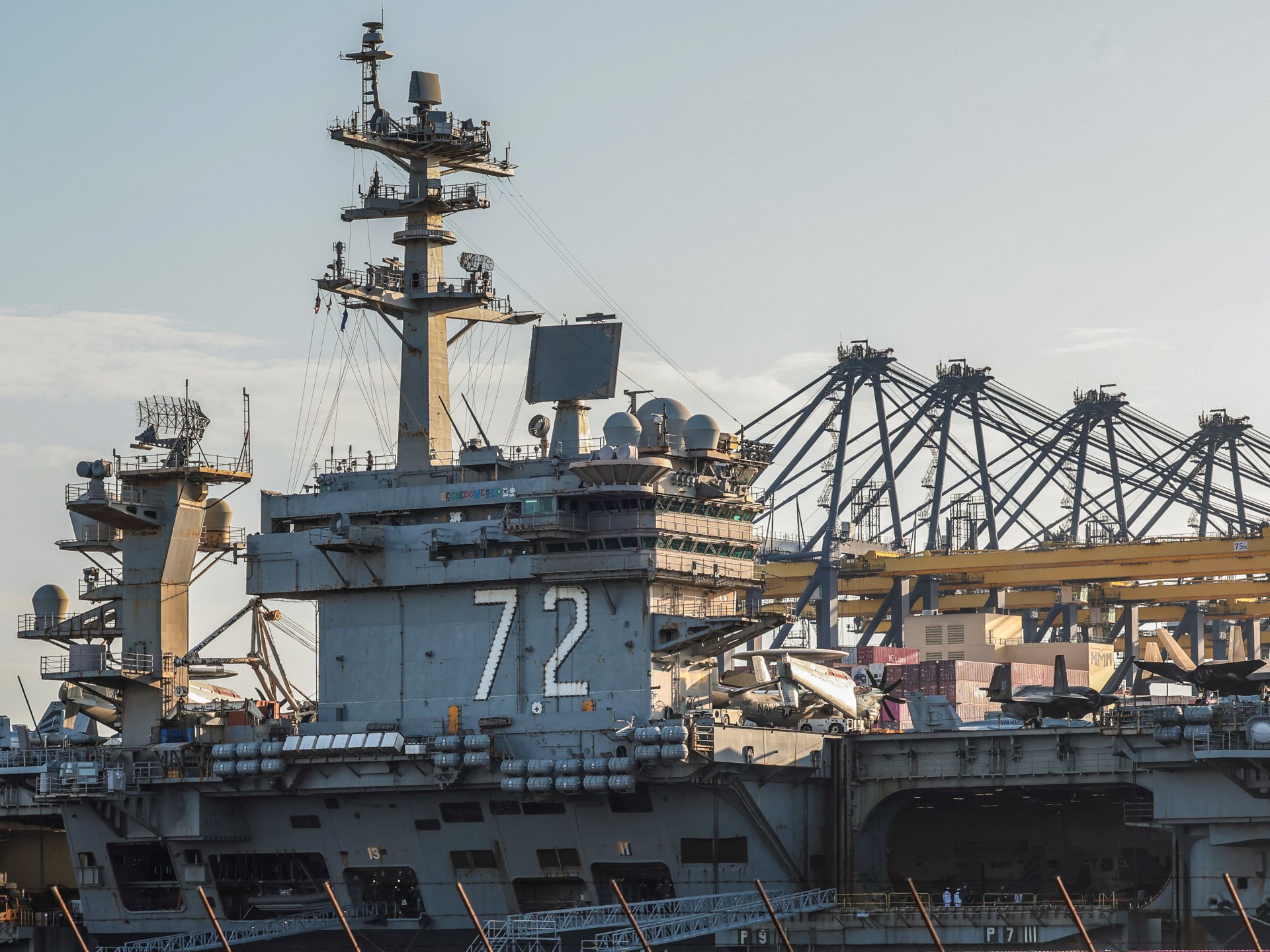
The United States Navy has confirmed a deeply troubling cluster of mental health crises aboard the nuclear-powered aircraft carrier USS Abraham Lincoln, revealing that eight crew members attempted suicide during an arduous deployment spanning more than nine months. The vessel, carrying a complement of approximately 5,000 sailors and aviators, endured extended operational cycles marked by only a single brief port visit due to pandemic-related restrictions and heightened strategic demands in vital international waterways. This prolonged isolation at sea, combined with relentless tactical readiness drills and an unforgiving operational tempo, exposed severe vulnerabilities in force protection and personnel management. Military analysts and defense committees point to this incident as a critical inflection point, forcing the Pentagon to reevaluate how prolonged deterrence patrols and power-projection missions impact the psychological wellbeing of active-duty personnel stationed across volatile global theaters.
[Global Trade](/news/trump-xi-jinping-us-summit-global-trade-geopolitics) & Economic Ripples
While direct humanitarian tragedies do not immediately disrupt physical commodity shipments, the systemic strain on naval assets carries profound implications for global trade stability. The United States Navy remains the primary guarantor of freedom of navigation across critical maritime choke points, including the Strait of Hormuz, the Bab el-Mandeb, and the South China Sea—arteries through which trillions of dollars in energy commodities, raw materials, and manufactured goods transit annually. When high-value carrier strike groups experience operational degradation, crew fatigue, or force-readiness bottlenecks, the predictability of global supply chain security is compromised. International shipping syndicates, energy conglomerates, and marine insurers closely monitor naval readiness indicators, as any perception of weakened maritime deterrence can elevate geopolitical risk premiums, inflate freight rates, and introduce volatility into international crude oil and liquefied natural gas markets.
Related Intelligence: Trump and Xi Open High-Stakes US Summit to Reset Global Trade
International Reactions & Diplomatic Stances
The disclosure has reverberated far beyond domestic political circles, drawing sharp focus from international observers and defense attachés monitoring American military capabilities. Human rights advocates and military welfare organizations have renewed demands for systemic accountability, criticizing military leadership for prioritizing strategic deterrence over the basic welfare of service members. Within Washington, congressional leaders from both major parties have launched rigorous inquiries into naval deployment lengths, demanding comprehensive reforms to rotation schedules and mental health resource allocation. Multilateral allies relying on the US security umbrella have expressed growing concern regarding the sustainability of current force-projection models, noting that overextended military assets undermine long-term alliance stability and defense credibility in an increasingly fragmented geopolitical landscape.
Strategic Outlook & Future Scenarios
Looking ahead, the crisis aboard the USS Abraham Lincoln is anticipated to accelerate structural overhauls within the Department of Defense regarding personnel deployment caps and psychological support infrastructure. Upcoming defense authorization bills are expected to mandate stricter limits on continuous deployment durations, enforcing mandatory rest periods and expanding onboard clinical mental health staffing. However, balancing these essential welfare reforms against escalating geopolitical rivalries in the Indo-Pacific and European theaters presents a formidable strategic dilemma for military planners. As global security tensions mount, the Pentagon must reconcile the imperative of maintaining robust, forward-deployed deterrent forces with the absolute necessity of preserving its most valuable asset: the health, resilience, and operational readiness of its naval personnel.
Join Our Official WhatsApp Channel
Receive live commodity alerts, policy changes, and commercial intelligence directly on WhatsApp.