
UK Universities Face Scrutiny Over Defense Ties and Campus Protests
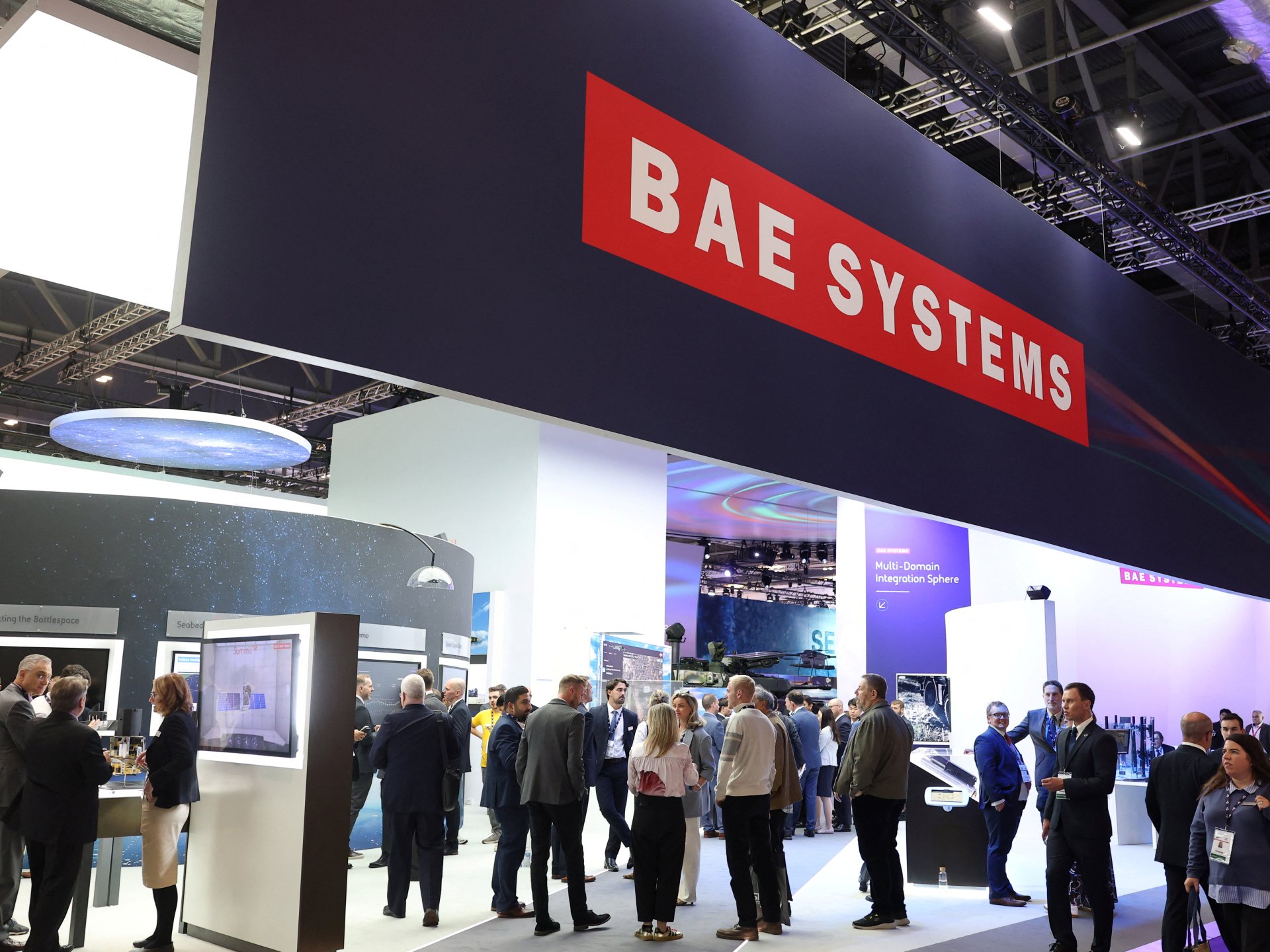
British universities consulted defense giant BAE Systems over campus protests, sparking intense international debate regarding academic freedom and corporate influence.
Geopolitical & Core Developments
Recent investigative findings revealing that several British universities briefed defense manufacturing giant BAE Systems on student-led pro-Palestine campus protests have sent shockwaves through the higher education sector and the broader geopolitical landscape. The revelations expose deep-seated institutional entanglements between premier academic institutions and major defense contractors at a time of intense global polarization over the Middle East conflict. Critics, civil liberties organizations, and student bodies argue that sharing intelligence or operational updates about peaceful demonstrations with a weapons manufacturer compromises the fundamental integrity, independence, and safety of academic environments. The UK higher education sector, long heralded as a bastion of free inquiry and critical dissent, now faces acute allegations of prioritizing corporate partnerships and lucrative defense research grants over the democratic rights of its student body.
[Global Trade](/news/trump-xi-jinping-us-summit-global-trade-geopolitics) & Economic Ripples
While ostensibly a domestic dispute over institutional governance and civil liberties, the controversy carries significant implications for global trade, corporate social responsibility, and the defense manufacturing sector. BAE Systems, a cornerstone of the global defense industrial complex, relies heavily on international supply chains, government procurement contracts, and collaborative research partnerships with universities to drive technological innovation in aerospace, cybersecurity, and munitions. As reputational risks mount over corporate involvement in academic governance, international investors are increasingly evaluating environmental, social, and governance metrics. Institutional endowments and sovereign wealth funds backing both UK universities and defense firms may face pressure to reassess portfolios where ethical boundaries between commercial arms manufacturing and public higher education appear blurred, potentially impacting long-term capital allocation strategies across European defense markets.
Related Intelligence: Nepal Flood Crisis Tests Regional Supply Chains and Climate Resilience
International Reactions & Diplomatic Stances
International watchdogs, human rights advocates, and academic freedom coalitions have expressed profound alarm over the disclosures. Global organizations monitoring democratic backsliding and freedom of expression have called for independent inquiries into how universities manage external stakeholder relationships during periods of heightened geopolitical tension. Conversely, representatives for the defense sector and university administrators have defended the briefings as standard security risk management, citing a duty of care to protect staff, students, and physical infrastructure from potential escalation. However, diplomatic observers note that the controversy risks damaging the international reputation of the UK higher education system, which attracts hundreds of thousands of international students and relies on a global reputation for political neutrality and robust intellectual debate.
Strategic Outlook & Future Scenarios
As the political fallout intensifies, the trajectory of UK campus activism and its interaction with corporate defense interests is poised for strict parliamentary scrutiny and potential regulatory reform. Future scenarios indicate that universities may be forced to adopt rigorous transparency standards and establish firewall mechanisms to separate academic administration from corporate partners involved in military supply chains. Upcoming legislative sessions in Westminster are expected to feature intense debates regarding the scope of the Higher Education (Freedom of Speech) Act and the oversight of foreign and domestic defense funding within research-intensive institutions. Ultimately, the outcome of this controversy will establish a critical precedent for how global academic institutions navigate the complex intersection of geopolitical conflict, commercial partnerships, and the preservation of democratic liberties in the twenty-first century.
Join Our Official WhatsApp Channel
Receive live commodity alerts, policy changes, and commercial intelligence directly on WhatsApp.