
Djibouti Shipwreck Exposes Migrant Crisis Risks Along Vital Red Sea Trade Corridor
A devastating maritime disaster off Djibouti claims over 100 lives, underscoring severe security vulnerabilities along the critical Bab el-Mandeb maritime corridor.
Geopolitical & Core Developments
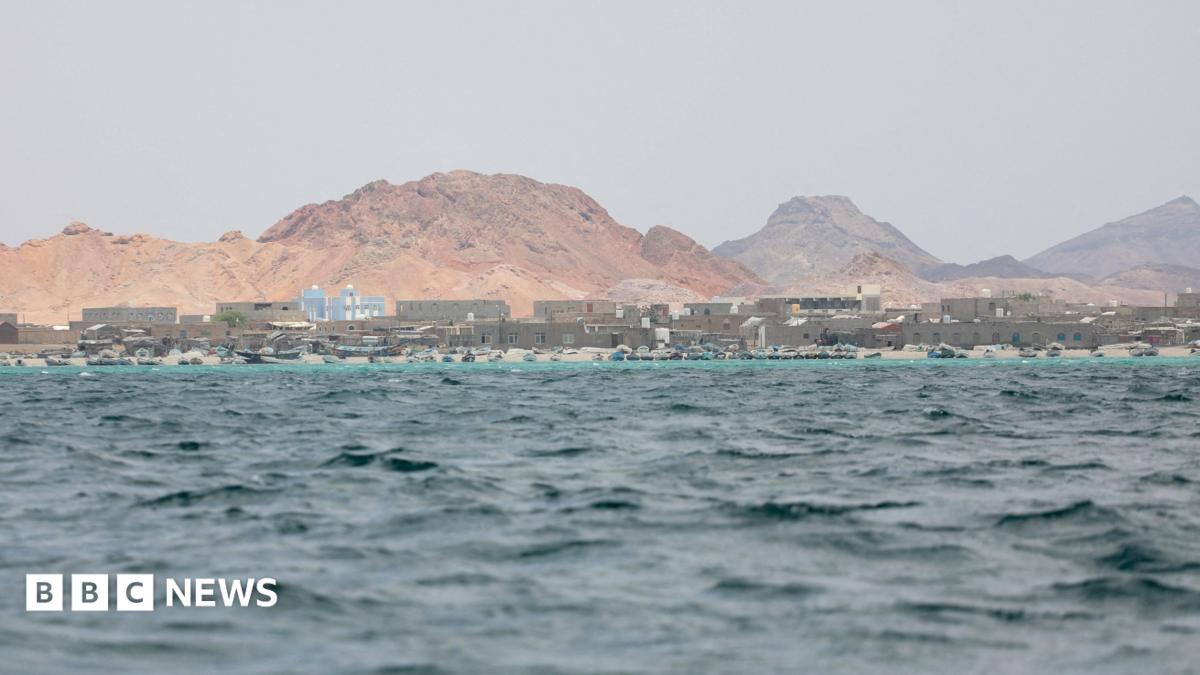
In a harrowing maritime disaster that has once again cast a harsh light on illicit human trafficking networks, a vessel carrying approximately 350 migrants capsized off the coast of Djibouti near the port town of Obock. According to United Nations reports, at least 109 people perished in the tragedy, which occurred on Thursday night. The ill-fated boat was navigating the treacherous waters of the Bab el-Mandeb strait, a narrow chokepoint connecting the Red Sea to the Gulf of Aden, en route from the Horn of Africa toward the Arabian Peninsula.
This catastrophe highlights the relentless human flow along the Eastern Route, a primary migration corridor utilized by vulnerable populations fleeing conflict, economic instability, and environmental degradation in East Africa. Despite heightened security patrols and well-documented dangers, transnational smuggling syndicates continue to exploit porous coastal borders, packing desperate travelers into unseaworthy vessels. The incident underscores a systemic failure of regional governance and cooperative law enforcement to dismantle sophisticated smuggling rings operating with impunity across Djibouti, Yemen, and Somalia.
Global Trade & Economic Ripples
While the human toll remains the primary tragedy, the incident draws acute attention to the Bab el-Mandeb strait, one of the most strategically vital commercial shipping lanes in the global economy. This maritime bottleneck facilitates a substantial share of international energy shipments, particularly crude oil and refined petroleum products moving from the Persian Gulf toward European and North American markets, alongside critical containerized freight transiting the Suez Canal.
Although the shipwreck itself did not directly disrupt commercial shipping lanes, the proliferation of humanitarian crises, maritime security incidents, and localized instability in the surrounding waters introduces compounding risks for global supply chains. Insurance underwriters, maritime logistics firms, and international shipping conglomerates closely monitor security dynamics in the Horn of Africa. Elevated security risks translate directly into higher marine insurance premiums, potential vessel rerouting, and increased operational costs that ultimately ripple through global commodity pricing and inflationary pressures for industrial raw materials and consumer goods.
Related Intelligence: Fresh Nepal Floods Threaten Regional Stability and Supply Chains
International Reactions & Diplomatic Stances
Global humanitarian organizations and United Nations bodies have expressed profound grief and alarm over the escalating frequency of maritime tragedies in the Red Sea region. The International Organization for Migration and the UN Refugee Agency issued joint appeals for enhanced search-and-rescue capabilities, stricter enforcement against human traffickers, and expanded legal pathways for displaced populations.
Diplomatic channels have buzzed with urgent discussions regarding the socioeconomic drivers of migration in the Horn of Africa. Representatives from regional bodies, including the Intergovernmental Authority on Development, have called for increased international financial assistance to bolster border security, stabilize local economies, and address the root causes of irregular migration. However, intersecting geopolitical tensions in the wider Middle East and East Africa frequently complicate multilateral coordination, leaving humanitarian agencies underfunded and overburdened.
Strategic Outlook & Future Scenarios
Looking ahead, the humanitarian and economic stability of the Red Sea corridor remains highly precarious. Without comprehensive diplomatic interventions and coordinated security frameworks between African nations of origin and destination economies in the Gulf, irregular maritime migration is projected to persist unabated.
Upcoming international summits focusing on maritime security and human rights will likely address the militarization and vulnerability of the Bab el-Mandeb strait. Failure to secure these waters against both geopolitical conflicts and illicit trafficking syndicates threatens not only human lives but also the uninterrupted flow of global trade. Policymakers face an imperative to balance rigorous border security with robust humanitarian protections to safeguard both regional stability and international commerce.
Join Our Official WhatsApp Channel
Receive live commodity alerts, policy changes, and commercial intelligence directly on WhatsApp.