
New Delhi Crackdown Sparks Regional Stability and Trade Concerns
Mass detentions of youth protesters in New Delhi raise governance concerns, triggering investor caution across key South Asian commodity and supply chain corridors.
Geopolitical & Core Developments
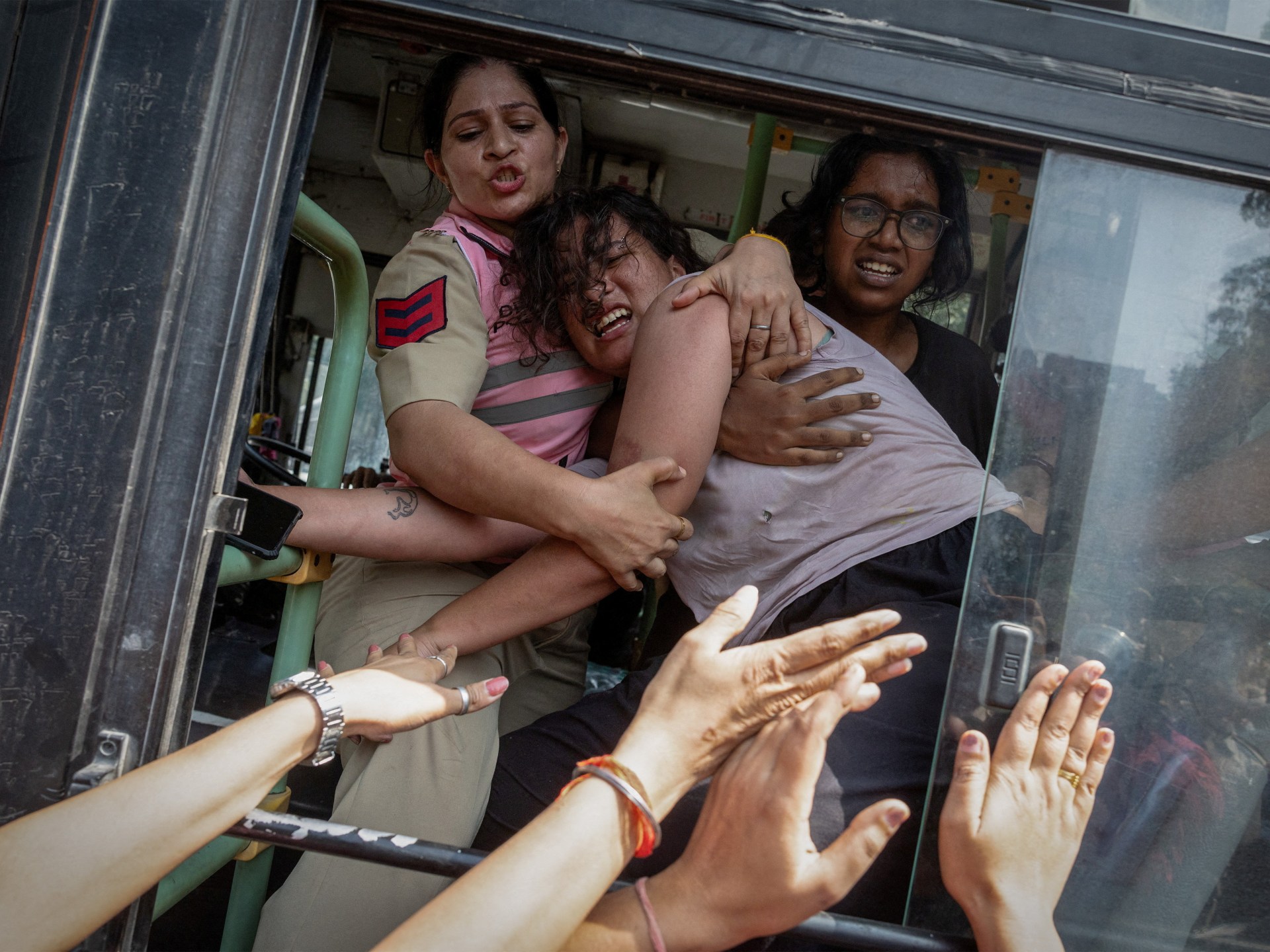
Recent mass detentions in central New Delhi following a high-profile youth demonstration—locally designated as the 'cockroach' movement rally—mark a significant escalation in domestic political friction within the world's largest democracy. Security forces intercepted thousands of protesters, deploying aggressive containment strategies to suppress mobilization in critical government districts. This robust state intervention underscores growing anxieties among federal authorities regarding youth-led dissent, economic disenfranchisement, and organized political opposition. As civil liberties groups condemn the sweeping detentions, the domestic political landscape faces heightened polarization, threatening to destabilize the broader administrative apparatus.
Global Trade & Economic Ripples
While the demonstrations remain localized to the urban core of the Indian capital, international commodity markets and multinational corporations are closely monitoring the operational risks. India serves as a vital anchor for South Asian supply chains, technology outsourcing, and domestic manufacturing initiatives. Prolonged civil unrest or subsequent state-imposed internet blackouts and logistical restrictions threaten to disrupt commercial transit, freight forwarding, and foreign direct investment inflows. Global energy markets and agricultural commodity brokers remain vigilant, as any escalation in domestic instability risks dampening consumer confidence and delaying critical infrastructure projects essential for regional trade integration.
Related Intelligence: Middle East Conflict Threatens Global Energy Security and Trade Routes
International Reactions & Diplomatic Stances
Global diplomatic missions and multilateral institutions have begun issuing cautious advisories regarding the deteriorating human rights environment and freedom of assembly in New Delhi. While foreign ministries in Western capitals emphasize the importance of democratic norms and the rule of law, market analysts and trade chambers are assessing the immediate risk premiums attached to Indian sovereign assets and equity indices. International financial institutions underscore that sustained internal friction could complicate ongoing bilateral trade negotiations and undermine foreign investor sentiment, which relies heavily on perceived political predictability and institutional stability.
Strategic Outlook & Future Scenarios
Looking ahead, the trajectory of the 'cockroach' movement and the government's response will serve as a bellwether for political risk management in South Asia. If authorities resort to prolonged detentions and intensified surveillance, opposition groups may galvanize a more unified nationwide resistance, potentially impacting upcoming electoral calendars and legislative agendas. Conversely, strategic de-escalation and engagement could restore market confidence. International observers and commodity traders will track impending policy shifts, regulatory adjustments, and diplomatic summits to gauge whether domestic unrest threatens to spill over into broader geopolitical realignment or trade policy alterations.
Join Our Official WhatsApp Channel
Receive live commodity alerts, policy changes, and commercial intelligence directly on WhatsApp.