
Delhi Imposes Early Winter Anti-Pollution Curbs as Cross-Border Smog Threatens South Asia
India's capital has initiated preemptive anti-pollution protocols as winter approaches, a move underscoring shared environmental vulnerabilities and cross-border commercial fallout across Pakistan and the broader South Asian sub-continent.
The Core Development
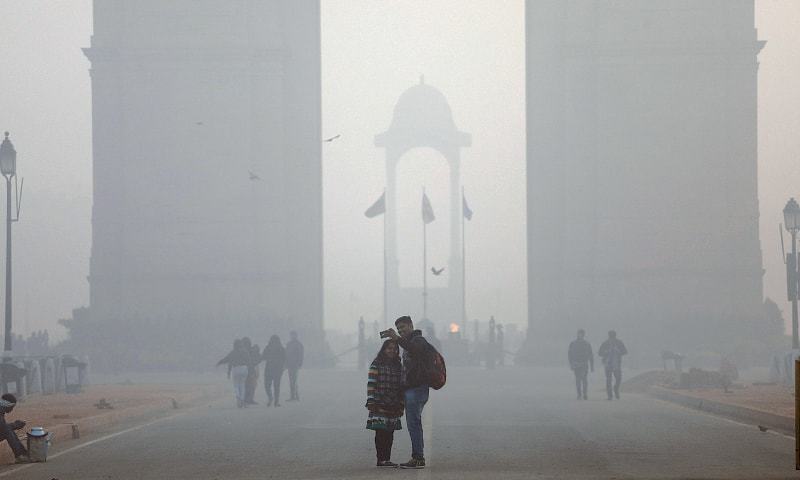
Authorities in New Delhi have officially activated seasonal emergency measures to counteract escalating air toxicity across the metropolitan region of over 30 million residents. The Commission for Air Quality Management (CAQM), in coordination with the Delhi state administration, announced sweeping curbs targeting primary emission vectors ahead of the severe winter inversion cycle.
The policy rollout enforces an immediate ban on municipal and open refuse burning, alongside strict prohibitions against the utilization of coal, charcoal, and firewood across roadside eateries, hotels, and informal food stalls. These baseline directives represent early phases under the Graded Response Action Plan (GRAP), designed to tighten sequentially as atmospheric conditions deteriorate.
Every winter, cooler ambient air combined with low wind speeds traps pollutants over the Indo-Gangetic Plain, exacerbating emissions originating from coal-fired power installations, heavy vehicular transit, and extensive construction activity. The crisis peaks between November and January, when post-harvest agricultural stubble burning across Punjab and Haryana combines with thermal inversion, driving carcinogenic PM 2.5 concentrations beyond 300 micrograms per cubic metre—more than 20 times the World Health Organization's permissible 24-hour limit.
Commercial & Economic Implications
While formulated within Indian borders, the systemic nature of South Asia's common atmospheric basin directly impacts Pakistan's eastern industrial corridor, particularly across Lahore, Gujranwala, and Faisalabad. Shared meteorological dynamics consistently transport particulate plumes westward, aggravating smog conditions in Pakistani commercial hubs.
For Pakistani distributors, wholesale trade syndicates, and manufacturing operations, these air quality disruptions portend direct operational losses. Prolonged smog episodes force localized commercial lockdowns, truncated operating hours for wholesale bazaars, and mandatory school closures that suppress retail footfall and consumer spending during key fourth-quarter retail seasons.
Furthermore, severe visibility reductions across the National Highway and Motorway network severely disrupt domestic freight movements. Inter-city haulage of agricultural commodities, raw materials, and finished goods suffers transit delays, increasing demurrage costs, fuel premiums, and supply chain friction for Pakistani manufacturers and commercial traders.
Stakeholder Perspectives & Market Reactions
Regional environmental analysts and business federations have cast doubt on the standalone efficacy of localized municipal bans. Critics argue that penalizing micro-enterprises and roadside vendors does little to address macro-level emissions generated by heavy industry, aging vehicular fleets, and uncontrolled industrial stubble clearance.
Traders and chamber executives in Pakistan have voiced mounting concerns regarding reciprocal domestic administrative measures. Historically, provincial administrations in Pakistani Punjab resort to stringent crackdowns on brick kilns, steel rerolling mills, and commercial transport to lower domestic emissions when cross-border smog peaks. The Lahore Chamber of Commerce and Industry (LCCI) and regional wholesale associations continue to urge predictable regulatory frameworks, cautioning that unilateral industrial shutdowns impose severe capital drains on struggling productive sectors without solving structural regional airshed deficits.
Forward Outlook & Key Watchpoints
Over the next four to eight weeks, institutional attention will shift toward farm clearing velocity in the broader agrarian belt spanning Indian and Pakistani Punjab. The seasonal spike in crop residue incineration will serve as the litmus test for administrative enforcement on both sides of the border.
Should PM 2.5 levels exceed emergency thresholds, regional authorities will likely activate subsequent mitigation tiers, including prohibitions on non-essential construction, restrictions on heavy commercial vehicle entry, and enforced rotational industrial shifts. The commercial sector must prepare for escalating logistics costs, localized market curfews, and decreased productivity through the remainder of the calendar year, reinforcing the necessity for bilateral dialogue on institutional airshed management.
Join Our Official WhatsApp Channel
Receive live commodity alerts, policy changes, and commercial intelligence directly on WhatsApp.