
Colombia Protests Expose Geopolitical Fault Lines Over Gaza Ties
Mass protests in Bogota underscore escalating Latin American diplomatic friction with Israel, threatening bilateral trade and highlighting shifting geopolitical alignments over the Gaza conflict.
Geopolitical & Core Developments
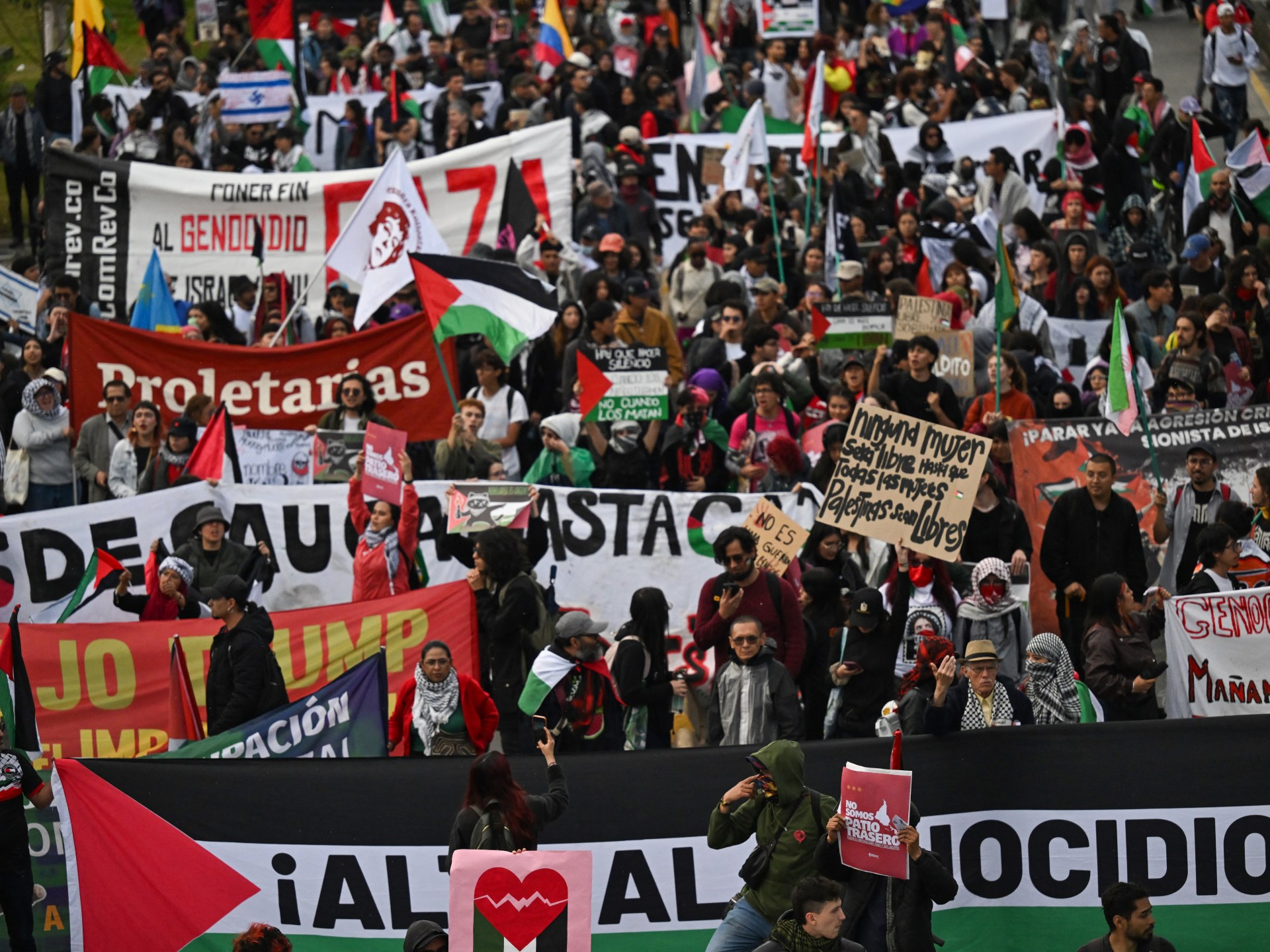
Hundreds of demonstrators converged on the historic center of Bogota, marching toward government plazas to demand the immediate cessation of diplomatic and commercial relations with Israel. The mobilization, organized by civil society coalitions and solidarity networks, reflects mounting public outrage over the ongoing military campaign in Gaza. Protesters chanted slogans and waved Palestinian flags, directing their anger not only at Israeli state actions but also at the perceived slowness of international bodies to enforce humanitarian law.
This domestic friction directly mirrors the assertive posture assumed by Colombian President Gustavo Petro. Over the past year, Petro has positioned himself as one of the most vocal critics of Israel in the Global South. His administration has systematically dismantled decades of close defense and diplomatic cooperation. In June, Bogota took the unprecedented step of suspending coal exports to Israel—a move that struck at the heart of a vital energy supply relationship. The protests in the capital demonstrate that Petro's foreign policy pivot enjoys a dedicated, active base of domestic support, further hardening political polarization within the Andean nation.
Global Trade & Economic Ripples
While Colombia is not a primary global macroeconomic titan, its confrontation with Israel carries notable trade implications, particularly within the energy and defense sectors. Historically, Colombia has served as a cornerstone supplier of thermal coal to Israeli power generators, providing a significant share of the country's imported fossil fuels. Petro's embargo forced Israeli utility operators to rapidly diversify their procurement portfolios, turning toward alternative suppliers in the Mediterranean and Eastern Europe, albeit at potentially higher spot-market costs.
Beyond coal, the diplomatic rift jeopardizes legacy security contracts. For decades, the Colombian military relied heavily on Israeli-supplied aircraft, avionics, and small arms, creating an entrenched technological dependency. The current administration's push to decouple military procurement from Israel disrupts long-term maintenance supply chains and forces a costly reassessment of national defense logistics. Furthermore, broader commercial exchanges, including agricultural products and technological security solutions, face increasing regulatory friction and political risk, deterring foreign investors who monitor geopolitical stability in the region.
Related Intelligence: Texas Execution Sparks Global Human Rights Scrutiny and Trade Debate
International Reactions & Diplomatic Stances
The developments in Bogota have reverberated across international diplomatic corridors, signaling a broader realignment within Latin America. Governments in countries like Brazil and Chile have closely watched Colombia's trajectory, forming a loose coalition of progressive states willing to use economic levers to express solidarity with Palestine. These nations have amplified calls within the United Nations General Assembly for comprehensive ceasefire enforcement and independent investigations into potential violations of international humanitarian law.
Conversely, traditional Western allies have expressed concern over the rapid deterioration of diplomatic norms and the bilateral rupture between democratic states. Market analysts and trade bodies note that while human rights advocacy drives the current political wave, it introduces unpredictable volatility into South-South and South-North commercial relations. Multilateral financial institutions are closely evaluating whether Bogota's assertive foreign policy stance will invite retaliatory trade measures or complicate broader free trade agreements currently under review.
Strategic Outlook & Future Scenarios
As the political crisis in the Middle East persists, Colombia's standoff with Israel is poised to deepen rather than de-escalate. President Petro's administration is expected to use upcoming multilateral summits, including regional gatherings of the Community of Latin American and Caribbean States (CELAC), to rally further consensus against Israel's military operations. Domestically, the protest movement will likely maintain pressure on the legislature to codify economic sanctions and permanent trade embargoes into law.
For global commodities markets, the Colombian precedent serves as a cautionary tale regarding the weaponization of traditional trade flows for geopolitical messaging. As supply chains increasingly fragment along ideological and diplomatic lines, energy importers worldwide must factor sudden political realignments into their risk management strategies. The unfolding situation in Bogota is no longer a localized expression of solidarity; it is a leading indicator of how geopolitical fractures will continue to reshape international trade and diplomacy in the years ahead.
Join Our Official WhatsApp Channel
Receive live commodity alerts, policy changes, and commercial intelligence directly on WhatsApp.