
Security Forces Eliminate Nine Terrorists in North Waziristan Operations
State media reports that security forces successfully neutralized nine terrorists, including four commanders, during targeted intelligence-based operations across multiple areas of North Waziristan.
The Core Development
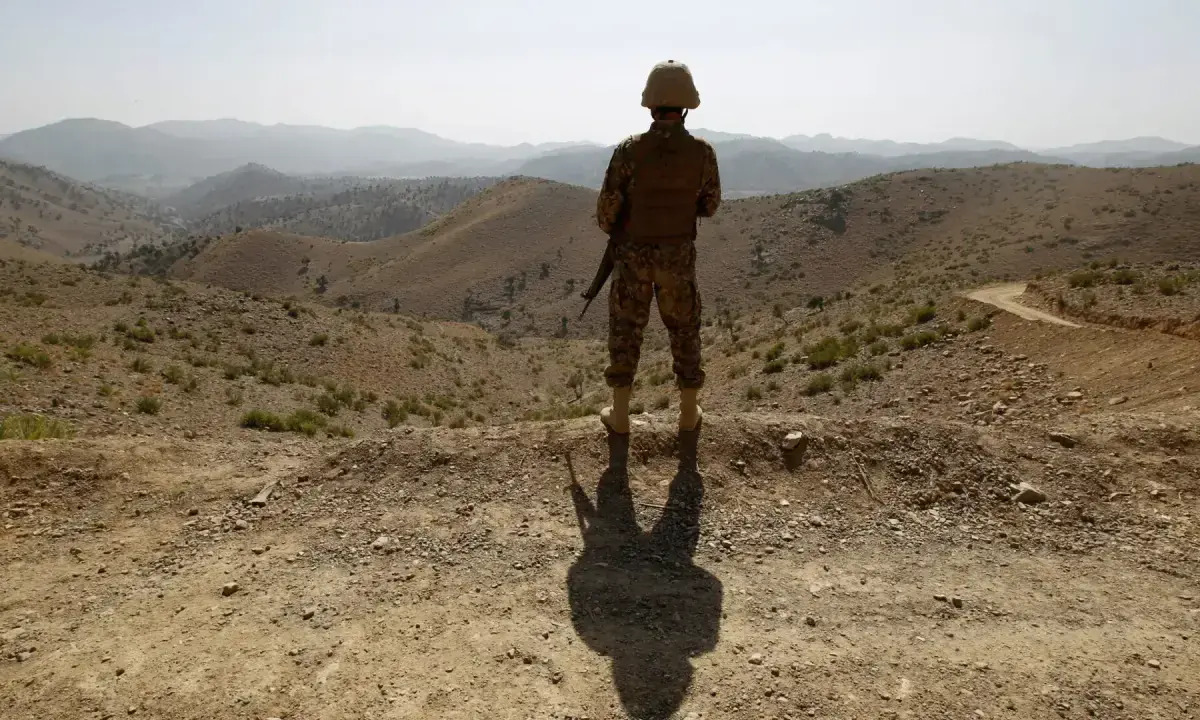
Security forces neutralized nine terrorists, including four high-value commanders, during a series of precision intelligence-based operations (IBOs) conducted across multiple sectors of Khyber Pakhtunkhwa's North Waziristan district. According to state-run media broadcasts, the synchronized raids targeted militant infrastructure in localities identified as Palangzai, Nadeem Kot, and Kot Khazri.
The operations formed part of an intensified counter-terrorism campaign following the formal proscription of groups operating under various banners, including affiliates categorized by state authorities under the overarching designation of Fitna al Khawarij—a term officially utilized to reference militants belonging to the banned Tehreek-i-Taliban Pakistan (TTP) and associated splinter factions. Military engagement in these rugged terrain sectors resulted in heavy exchanges of fire, during which security personnel successfully cornered the militant cells.
In addition to eliminating the nine combatants, security forces dismantled multiple fortified hideouts that served as logistical hubs and planning centers for cross-border incursions and local attacks. A substantial cache of automatic weapons, ammunition, explosive devices, and communication gear was recovered from the sites, delivering a severe blow to the operational capabilities of the network in the region.
Commercial & Economic Implications
Persistent security challenges and counter-terrorism operations in the border regions of Khyber Pakhtunkhwa carry direct economic ramifications for domestic commerce, supply chain resilience, and regional trade corridors. North Waziristan serves as a critical transit zone linking domestic wholesale markets with broader regional trade routes. Stability in these areas is paramount for maintaining uninterrupted freight movement, lowering transportation risk premiums, and securing investor confidence in supply chain infrastructure.
Supply chain disruptions caused by militant activity historically translate into escalated logistical costs, delayed distribution schedules for retail goods, and increased overhead burdens for wholesale distributors operating within the northwestern commercial belt. Furthermore, sustained security operations necessitate significant public expenditure reallocations, influencing national fiscal balances and inflationary pressures. For commercial enterprises, localized security stabilization reduces the risk of transport bottlenecks, stabilizes commodity pricing structures, and safeguards consumer markets from artificial scarcity driven by supply route vulnerabilities.
Related Intelligence: Legal and Ethical Shockwaves After Botched Execution
Stakeholder Perspectives & Market Reactions
Business councils, trader associations, and industrial federations across Pakistan have consistently emphasized that enduring economic growth is inextricably linked to absolute internal security. Representatives from major commercial bodies noted that decisive military interventions help restore investor sentiment, particularly in frontier districts where commercial vitality depends heavily on law and order.
Official policy statements from federal and provincial authorities reiterate the state's resolve to dismantle financial and operational networks supporting extremist elements. Legal and security experts have underscored the necessity of robust intelligence-led frameworks to suffocate militant financing and logistics. Public response across national forums remains strongly supportive of security initiatives aimed at neutralizing threats that undermine national economic stability and commercial expansion.
Forward Outlook & Key Watchpoints
As security forces maintain a high operational tempo in North Waziristan and surrounding tribal districts, upcoming policy enforcement measures will focus on consolidation and rehabilitation in cleared zones. Key indicators to monitor include the pace of infrastructure reconstruction, the reopening of traditional trade routes, and the implementation of enhanced border management protocols.
Furthermore, financial intelligence units will track the efficacy of asset freezes and banking restrictions targeting proscribed groups. Sustained economic recovery in the region will depend upon coordinated civil-military efforts to secure supply chains, protect commercial investments, and foster a stable environment conducive to long-term market participation.
Join Our Official WhatsApp Channel
Receive live commodity alerts, policy changes, and commercial intelligence directly on WhatsApp.