
Cockpit Altercation Forces Israel-Bound Flight Emergency Landing in Saudi Arabia
A Dubai-to-Tel Aviv flight diverted to Saudi Arabia after a violent cockpit altercation between the pilot and co-pilot left both injured.
The Core Development
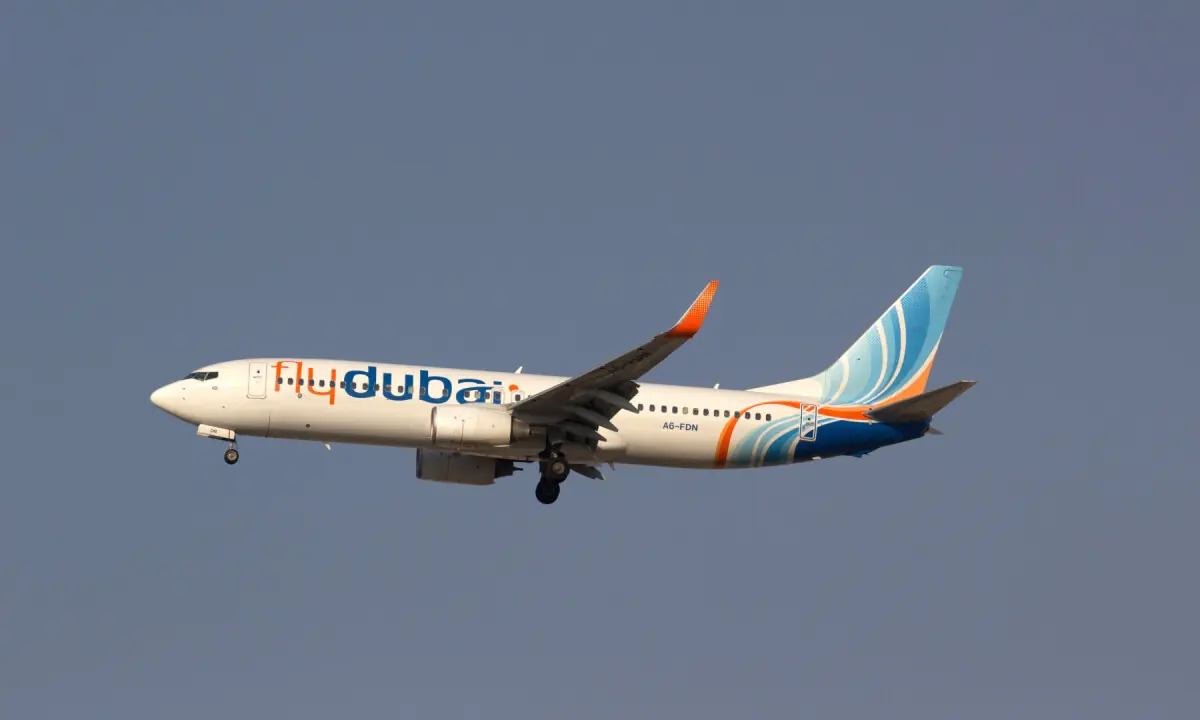
A commercial aviation incident unfolded on Wednesday when a flydubai flight traveling from Dubai to Tel Aviv was forced to make an emergency diversion, landing unexpectedly at Tabuk Airport in northwestern Saudi Arabia. Flight FZ 1073, operated by the Dubai-based low-cost carrier, touched down safely at approximately 9:45 am local time (11:45 am PKT) following a distress situation originating in the cockpit. According to official statements released by airport management authorities in Tabuk, both the aircraft captain and the co-pilot were found to have sustained physical injuries resulting from an onboard dispute while in flight.
Initial reports from aviation monitors and regional media outlets confirmed that the pilots engaged in a physical altercation at cruising altitude, prompting immediate safety protocols and a hasty unscheduled landing. Emergency medical teams met the aircraft upon its arrival on the tarmac, swiftly transporting both wounded aviators to a regional medical facility for treatment. Representatives for flydubai issued a formal statement confirming that the aircraft experienced an operational incident en route, assuring stakeholders that all passengers onboard remained safe, accounted for, and managed by ground support teams during the unexpected disruption.
Commercial & Economic Implications
While the immediate operational disruption centered on a single commercial flight, events of this nature carry broader ramifications for regional trade, aviation economics, and supply chain confidence across the Middle East. For commercial enterprises, logistics operators, and financial markets in surrounding economies—including Pakistan—air corridor stability and passenger safety benchmarks directly influence cargo freight rates, premium insurance premiums, and passenger routing logistics. Aviation security incidents involving regional carriers can induce temporary volatility in airline stock valuations, elevate operational overheads through mandatory safety audits, and prompt regulatory scrutiny from international civil aviation bodies.
Furthermore, the geopolitical backdrop of a flight connecting the United Arab Emirates and Israel making an emergency diversion into Saudi airspace emphasizes the delicate interconnectedness of regional transit corridors. Disruptions in primary commercial aviation arteries can trigger cascading delays for time-sensitive air cargo, business travel, and wholesale trade distribution networks that rely on predictable schedules across Gulf and Middle Eastern hubs.
Related Intelligence: Flydubai Cockpit Brawl Triggers Emergency Diversion to Saudi Arabia
Stakeholder Perspectives & Market Reactions
Industry bodies, aviation safety experts, and regulatory stakeholders have expressed profound concern over the rare breakdown in cockpit discipline. International aviation standards strictly mandate crew resource management and rigorous psychological fitness assessments to prevent internal conflicts from compromising flight safety. Civil aviation authorities in the United Arab Emirates have initiated a comprehensive internal investigation alongside regional transport regulators to determine the precise sequence of events that led to the physical altercation.
Public response across regional business communities has underscored the absolute necessity of maintaining stringent professional standards within commercial flight decks. Consumer advocacy groups and corporate travel managers are calling for enhanced transparency from regional budget carriers regarding crew welfare, fatigue management policies, and real-time emergency communication protocols.
Forward Outlook & Key Watchpoints
As the investigation progresses, industry analysts will closely monitor findings from flydubai and Saudi aviation authorities. Key watchpoints include the medical recovery timeline of the flight crew, official regulatory penalties or licensing suspensions, and potential policy adjustments regarding pilot oversight across Middle Eastern airlines. Ensuring uncompromised flight deck integrity remains paramount for restoring complete passenger confidence and maintaining uninterrupted commercial aviation flows throughout the region.
Join Our Official WhatsApp Channel
Receive live commodity alerts, policy changes, and commercial intelligence directly on WhatsApp.