
Clashes Escalate in Yemen's Taiz as UN Reports Soaring Displacement
Intense combat around Yemen's southwestern hub of Taiz has forced internal displacement past 260,000, threatening crucial regional trade infrastructure and derailing tenuous international peace efforts.
Geopolitical & Core Developments
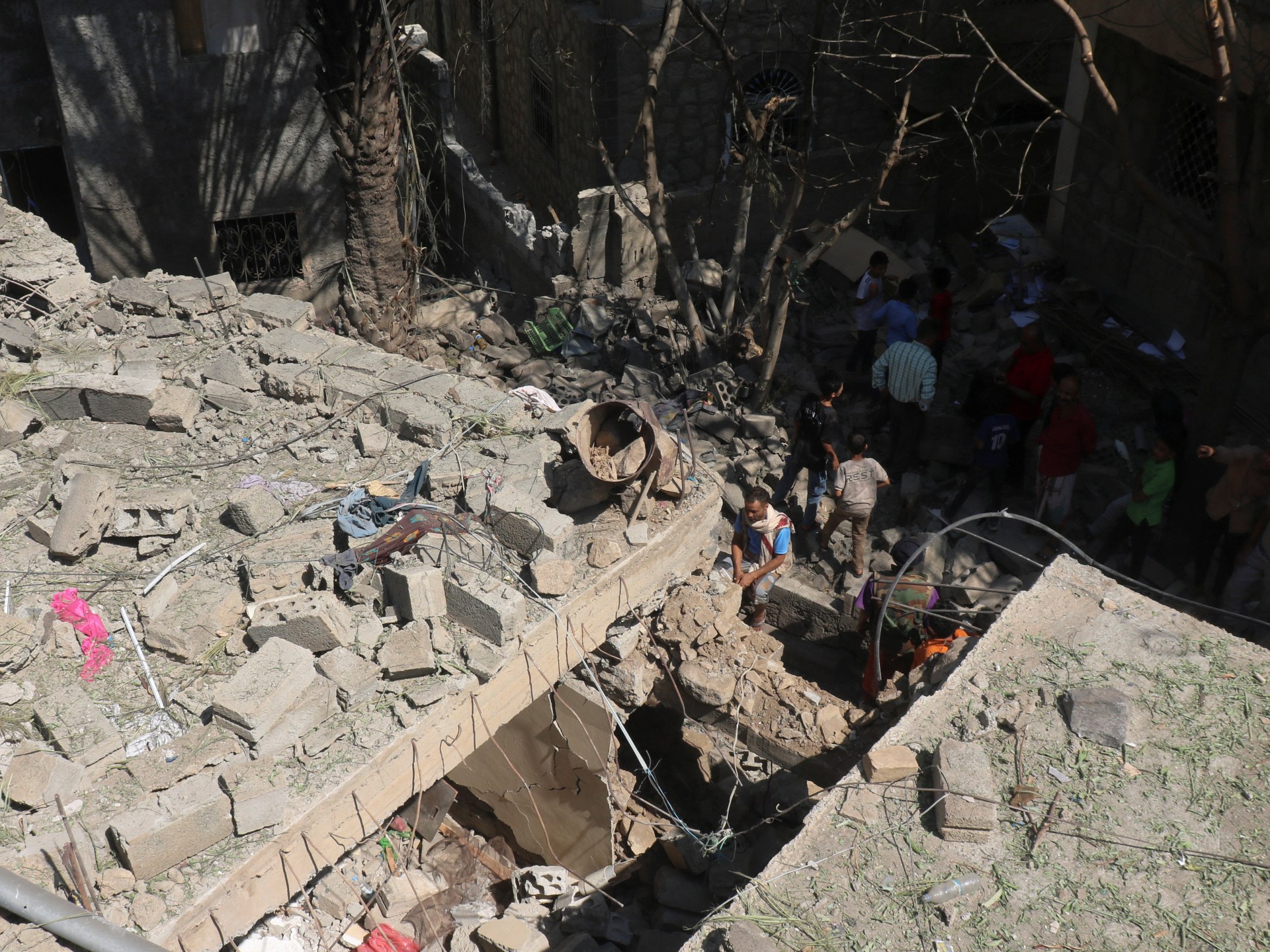
Heavy fighting has reignited in and around Yemen's southwestern governate of Taiz, as internationally recognized government forces conducted hundreds of coordinated artillery and aerial strikes against positions held by the Ansar Allah movement, commonly known as the Houthis. Military spokespersons for the Yemeni government confirmed that the offensive aimed to dislodge entrenched insurgent batteries and neutralize supply lines that have maintained a partial blockade over the strategic city for nearly a decade.
Taiz occupies a pivotal geographical juncture, functioning as the gateway between the northern highlands and the southern port city of Aden, while bordering the crucial maritime approaches to the Bab el-Mandeb strait. The resurgence of intense kinetic action shatters an extended period of relative tactical restraint brokered under regional backchannel talks. Concurrently, United Nations humanitarian agencies have issued stark assessments indicating that internal displacement within the governorate has escalated to nearly 260,000 people. Civilians remain trapped between shifting frontlines, compounded by deteriorating municipal infrastructure and acute water access deficits.
Global Trade & Economic Ripples
The proximity of Taiz to the Red Sea littoral carries direct ramifications for global energy logistics and international trade lanes. As conflict lines advance toward coastal arteries, commercial shipping operators are reassessing regional risk premiums. The Bab el-Mandeb chokepoint, through which roughly 12 percent of seaborne global trade passes, remains subject to elevated volatility, prompting insurers to maintain heightened war-risk surcharges on vessels navigating the Gulf of Aden.
Persistent disruption to domestic agricultural networks in the southwestern breadbasket also intensifies Yemen's extreme dependence on commercial grain imports, primarily sourced from the Black Sea and European producers. The convergence of currency depreciation across the southern banking system, higher maritime logistics costs, and the displacement of regional workforces threatens to trigger sharp spikes in local food inflation. For multilateral commodity markets, systemic volatility around the southern Arabian Peninsula prolongs container shipping reroutings around Africa’s Cape of Good Hope, continuing to elevate transit durations and carbon costs across Europe-Asia trade routes.
Related Intelligence: China Edges United States for Historic World Gymnastics Team Title
International Reactions & Diplomatic Stances
The United Nations Office for the Coordination of Humanitarian Affairs (OCHA) underscored the catastrophic scale of civilian displacement, demanding immediate humanitarian corridors and an unconditional cessation of hostilities near populated clusters. UN Special Envoy for Yemen, Hans Grundberg, urged all combatants to prioritize the framework for an inclusive political settlement over military posturing, cautioning that tactical gains in Taiz jeopardize nationwide stabilization measures.
Regional stakeholders have articulated differing perspectives. The Saudi-led Coalition highlighted its ongoing defensive commitments toward state legitimacy, urging the international community to enforce arms interdiction resolutions against the Houthis. Conversely, diplomatic missions from the European Union and the United States issued joint appeals calling for unimpeded aid access to Taiz, warning that localized escalation invites broader regional proxy interference at a moment of acute West Asian geopolitical strain.
Strategic Outlook & Future Scenarios
The near-term trajectory of the conflict hinges on whether government forces can sustain tactical momentum without triggering retaliatory cross-border strikes against regional energy infrastructure. Should the battle for Taiz descend into prolonged attrition, Houthi command structures may expand asymmetrical operations across adjacent maritime corridors to leverage international shipping against diplomatic pressure.
Without concerted multilateral pressure to formalize a permanent ceasefire, the humanitarian crisis will continue to deepen, requiring emergency funding reallocations from already strained global relief budgets. Future negotiations will likely focus on opening major arterial roads into Taiz to alleviate the protracted economic siege, though durable de-escalation remains contingent on broader geopolitical realignments across the Red Sea basin.
Join Our Official WhatsApp Channel
Receive live commodity alerts, policy changes, and commercial intelligence directly on WhatsApp.