
Cameroon Raid Escalates Regional Security and Trade Risks
A deadly militant raid in Far North Cameroon displaces hundreds, threatening regional stability and critical Central African trade corridors.
Geopolitical & Core Developments
A devastating assault by unidentified armed combatants in the Far North region of Cameroon has left at least 15 civilians dead and forced hundreds to abandon their homes. While no faction has formally claimed responsibility for the massacre, security analysts and local authorities immediately focused suspicion on the Islamic State West Africa Province (ISWP), an active regional affiliate of ISIL operating across the Lake Chad basin. The coordinated night raid targeted vulnerable agrarian settlements, exploiting porous international boundaries and overstretched security infrastructure that struggles to maintain territorial integrity across the sprawling Sahelian frontier.
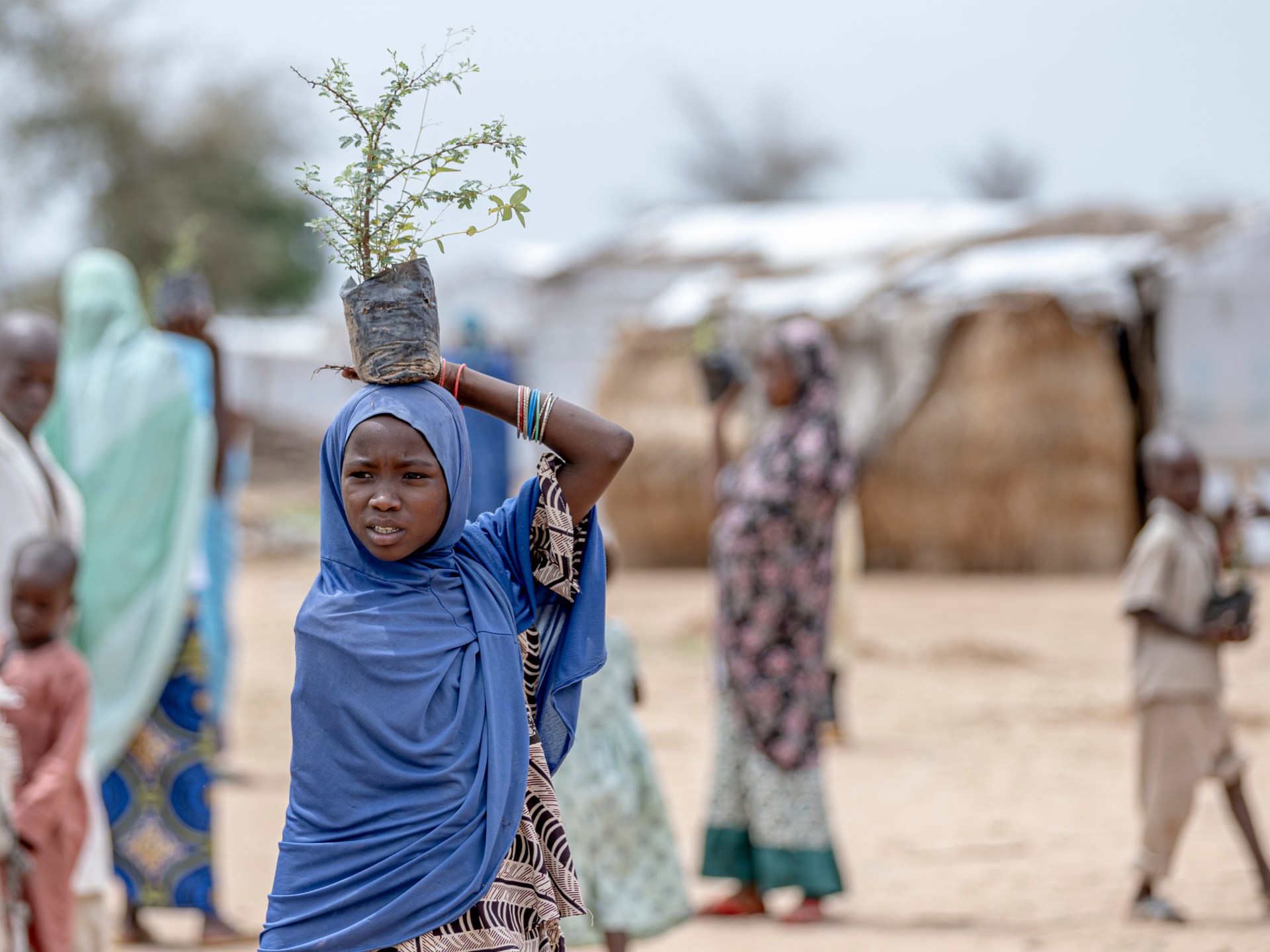
The incident underscores a persistent security dilemma for Yaounde as insurgent networks adapt their tactics to evade conventional military sweeps. By employing asymmetric harassment and targeted terror against civilian populations, armed groups aim to undermine state authority and disrupt local governance. The humanitarian toll has expanded rapidly, with neighboring districts receiving waves of traumatized refugees desperately needing shelter, food, and medical intervention. This displacement compounds an already critical humanitarian emergency across the Lake Chad basin, where climate pressures, localized conflict, and food insecurity frequently intersect to amplify regional instability.
Global Trade & Economic Ripples
Although the immediate violence remains localized within rural agrarian communities, the strategic economic fallout extends deep into Central African commercial networks. The Far North region serves as a crucial geographic land bridge connecting Cameroonian ports to landlocked Chad and northern Nigeria. Persistent insecurity along these corridors directly threatens vital trade arteries utilized for regional commodity transport, including livestock, cotton, and grain distribution. Transport operators face escalating freight insurance premiums and severe delays as military escorts become mandatory for commercial convoys traversing high-risk zones.
International commodity markets and regional agricultural supply chains remain highly sensitive to persistent conflict in the Lake Chad basin. Food security indices across Central Africa face downward pressure as agricultural production is repeatedly disrupted by forced displacement and the abandonment of arable farmlands. Furthermore, commercial lenders and foreign direct investors continue to re-evaluate risk profiles for infrastructure projects across the broader Economic and Monetary Community of Central Africa (CEMAC) zone. The compounding security overhead directly deters capital investment, hampering broader macroeconomic integration and cross-border commerce.
Related Intelligence: Gilgit-Baltistan Launches Climate Resilience and Rural Development Initiative
International Reactions & Diplomatic Stances
International bodies and diplomatic missions have strongly condemned the violence, urging the Cameroonian government and regional partners to enhance civilian protection frameworks. Representatives from the United Nations Office for West Africa and the Sahel (UNOWAS) reiterated calls for a comprehensive, multidimensional strategy that pairs robust counter-insurgency operations with targeted socio-economic development initiatives. Multilateral lenders and humanitarian agencies emphasized the urgent need for fully funded relief operations to support displaced populations and prevent further destabilization.
Bilateral partners, including key Western and regional security donors, stressed the imperative of enhanced intelligence sharing and cross-border military cooperation among the Multinational Joint Task Force (MNJTF) member states—comprising Cameroon, Chad, Niger, and Nigeria. Market analysts observing the diplomatic engagement note that persistent sub-regional instability complicates foreign policy objectives aimed at stabilizing the wider Sahel. Consequently, international stakeholders continue to condition long-term financial assistance on demonstrable governance reforms and improved security sector governance across the affected theaters.
Strategic Outlook & Future Scenarios
Looking ahead, the security trajectory in Far North Cameroon depends heavily on the capacity of state security forces to secure vulnerable borders and neutralize insurgent logistical cells. Without a sustained increase in intelligence-led counter-terrorism operations and grassroots community engagement, low-intensity asymmetric conflict is expected to persist, posing chronic risks to regional stability. Upcoming regional security summits will likely focus on reinforcing multinational coordination and securing additional financial resources for border management technologies.
For international commerce and supply chain participants, the baseline outlook remains defined by elevated operational risk premiums and constrained transport efficiency throughout the Lake Chad basin. Investors must carefully calibrate exposure to Central African frontier markets, factoring in the potential for sudden security shocks to disrupt commercial logistics. Ultimately, long-term economic resilience in the region remains inextricably linked to the successful containment of militant networks and the restoration of durable political stability across the Sahelian frontier.
Join Our Official WhatsApp Channel
Receive live commodity alerts, policy changes, and commercial intelligence directly on WhatsApp.