
Board of Peace Unveils $2.4 Billion Gaza Reconstruction Plan Amid Persistent Violence
International bodies push forward with a $2.4 billion Gaza reconstruction plan even as ongoing violence challenges fragile ceasefire efforts and regional stability.
Geopolitical & Core Developments
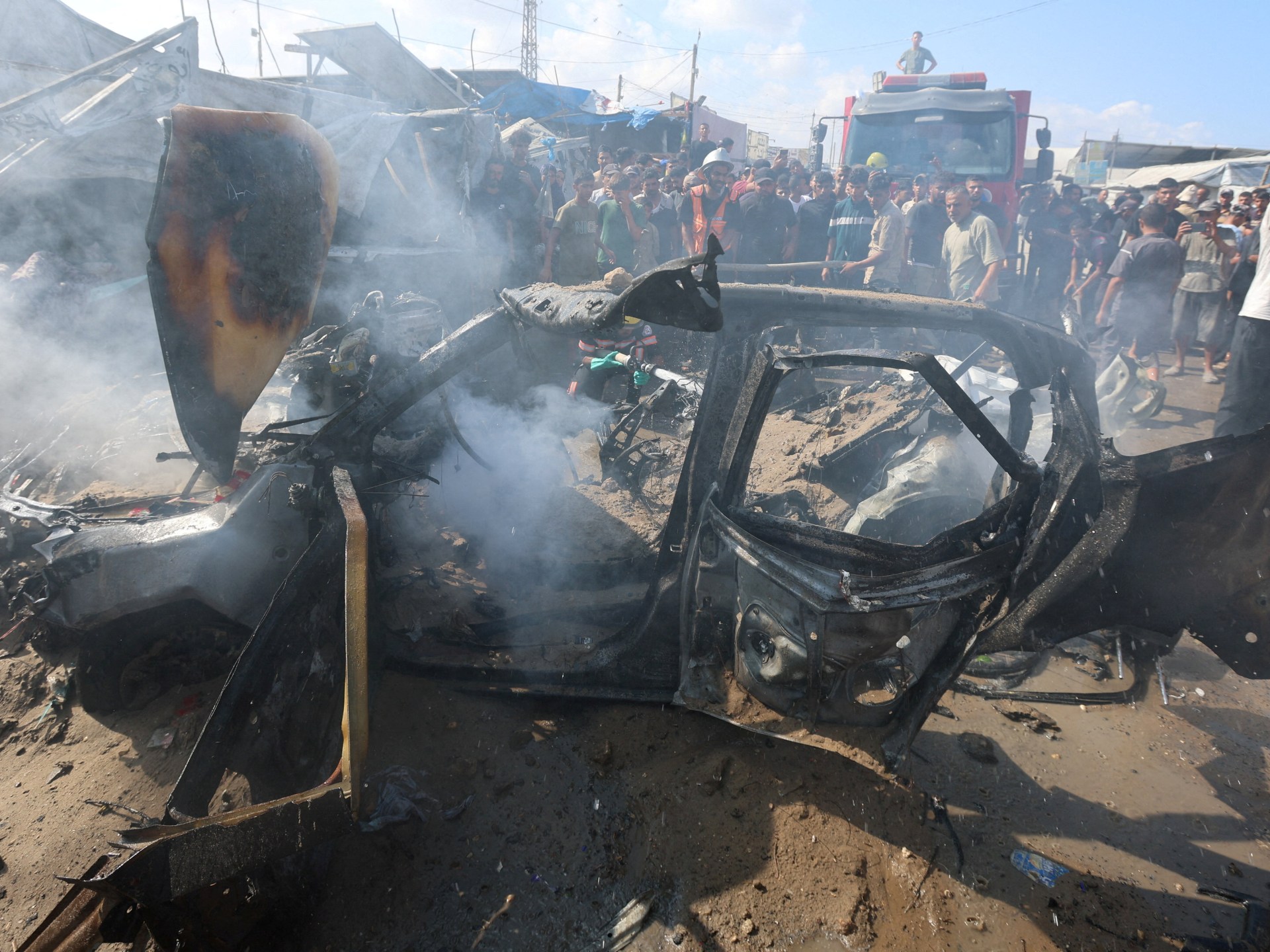
The international community has advanced a significant multilateral initiative, with the Board of Peace unveiling a comprehensive $2.4 billion reconstruction framework for the Gaza Strip. This ambitious stabilization effort arrives against a volatile backdrop, characterized by persistent military engagements and reported fatalities among Palestinians despite concerted diplomatic appeals for adherence to an enduring ceasefire. State actors across the Middle East, alongside Western and Asian intermediaries, are intensifying diplomatic maneuvers to transition from immediate conflict management to structural rehabilitation. The strategic stakes encompass not only the humanitarian imperative of rebuilding critical infrastructure—including hospitals, water desalination plants, and housing—but also the containment of broader regional escalation involving non-state actors and bordering sovereign states.
Global Trade & Economic Ripples
The protracted nature of the conflict continues to send shockwaves through global trade networks, commodity markets, and energy corridors. Shipping lines navigating the Eastern Mediterranean and adjacent Red Sea logistics chokepoints remain subject to heightened risk premiums, elevated insurance costs, and potential route diversions that inflate transit times and operational overheads for international cargo carriers. Energy markets, particularly European natural gas and global crude benchmarks, exhibit high sensitivity to Middle Eastern geopolitical friction, reacting immediately to any perceived threat to hydrocarbon production facilities or maritime transit lanes. Furthermore, broader macroeconomic sentiment across emerging and developed economies is weighed down by persistent geopolitical uncertainty, influencing foreign exchange reserves, sovereign debt yields, and investor risk appetite across international trade hubs.
Related Intelligence: UN General Assembly Rises as Security Council Paralysis Redraws Global Diplomacy
International Reactions & Diplomatic Stances
Multilateral institutions have issued urgent appeals for immediate de-escalation and unhindered humanitarian access. Representatives from the United Nations have underscored that sustainable economic recovery is inextricably linked to strict compliance with international humanitarian law and durable cessation of hostilities. Regional powers have expressed cautious optimism regarding the $2.4 billion funding mechanism while simultaneously demanding binding guarantees for the security of reconstruction personnel and supply convoys. Market analysts and geopolitical risk rating agencies note that while capital pledging reflects strong international resolve, private sector participation will heavily depend on verifiable security arrangements and structural governance reforms within the enclave.
Strategic Outlook & Future Scenarios
Looking ahead, the trajectory of the reconstruction effort hinges on the fragile durability of current ceasefire negotiations and the enforcement mechanisms deployed by international guarantors. Upcoming diplomatic summits and security councils will likely focus on establishing a demilitarized administrative framework capable of overseeing the multi-billion-dollar fund without exacerbating factional tensions. Failure to secure a lasting cessation of hostilities risks derailing the reconstruction timeline, plunging the region into deeper economic isolation, and provoking secondary sanctions or retaliatory trade measures from major global powers. Conversely, successful implementation could establish a blueprint for post-conflict stabilization in protracted geopolitical hotspots worldwide.
Join Our Official WhatsApp Channel
Receive live commodity alerts, policy changes, and commercial intelligence directly on WhatsApp.